
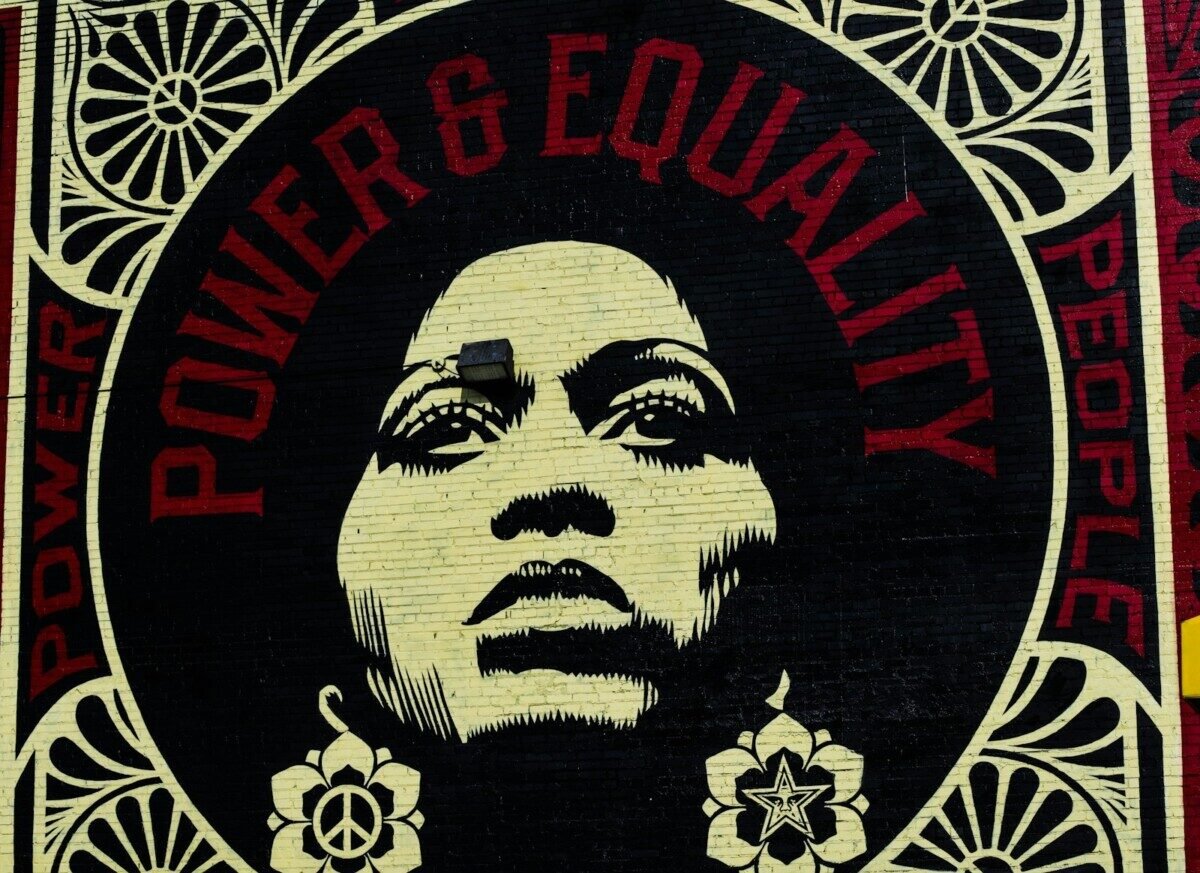
If someone condemns the cruelty of yesterday but resents every effort to repair its consequences today, I have questions. It is easy to disapprove of a photograph from a history book. It asks considerably more of us to examine who still holds the property, who inherited the debt, and whose children must work twice as hard to reach a door somebody else’s grandparents walked through.
From a radical womanist position, opposing racism requires caring about the conditions Black people actually live under. Black women cannot feed children on somebody’s declaration that they believe in equality. There isn’t one grocery store on the entire planet that accepts that as currency. We need fair wages, safe homes, access to care, political power, and institutions that answer for the harm they cause.
That does not mean every hardship has one cause or every proposed remedy deserves agreement. We can argue over what works. But there is a difference between questioning a solution and refusing any responsibility to find one. When you stand in opposition to policies like affirmative action, DEI, social programs, and reparations ….then exactly what do YOU propose be done to move towards unity, healing, and accountability? If every attempt at repair strikes you as “unfair,” while the original theft and its accumulated advantages barely trouble you, your idea of fairness may need examining.
Accountability means more than calling out someone who uses a racial slur. It also means asking what institutions have done to repair the harm they caused. If a bank once denied Black families home loans, announcing “we treat everyone equally now” does not restore the homes and family wealth those families lost the opportunity to build. Stopping discrimination is necessary. Repairing the damage it left behind is part of the responsibility, too.
We know that telling an abusive person to stop does not pay the hospital bill, restore the savings they drained, or give someone back the years they spent trying to survive. The abuse can stop while the harm continues shaping a Survivor’s life.
But do we consistently honor that truth? We often expect Survivors to be grateful the abuse ended and quietly carry the cost of everything that follows. Ask for restitution, ongoing support, or consequences for the people who helped conceal it, and suddenly someone says, “You have to move on.”
We do something similar with racism. People want credit for condemning what happened while resisting responsibility for what it left behind. Those who suffered must somehow finance their own recovery, while those who caused or benefited from the harm get to declare the matter closed.
“I stopped hurting you” is the beginning of accountability. It does not settle what you still owe.
I also want us to notice who gets handed the work of surviving the aftermath. So often, it is Black women stretching a paycheck, caring for multiple relatives who also endured the destructive aftereffects of racism, organizing the neighborhood against ongoing and chronic injustice, and finding another way when an institution closes its door. Then people praise our strength as though our ability to endure settles the question of what we were owed.
Our strength does not release anybody from responsibility.
You do not have to personally create an injustice to have a responsibility to stop preserving it. If you oppose racism, the suffering it produced must concern you more than the discomfort of addressing it.
