Table of Contents
Wealth can travel through generations. So can the consequences of being denied it.
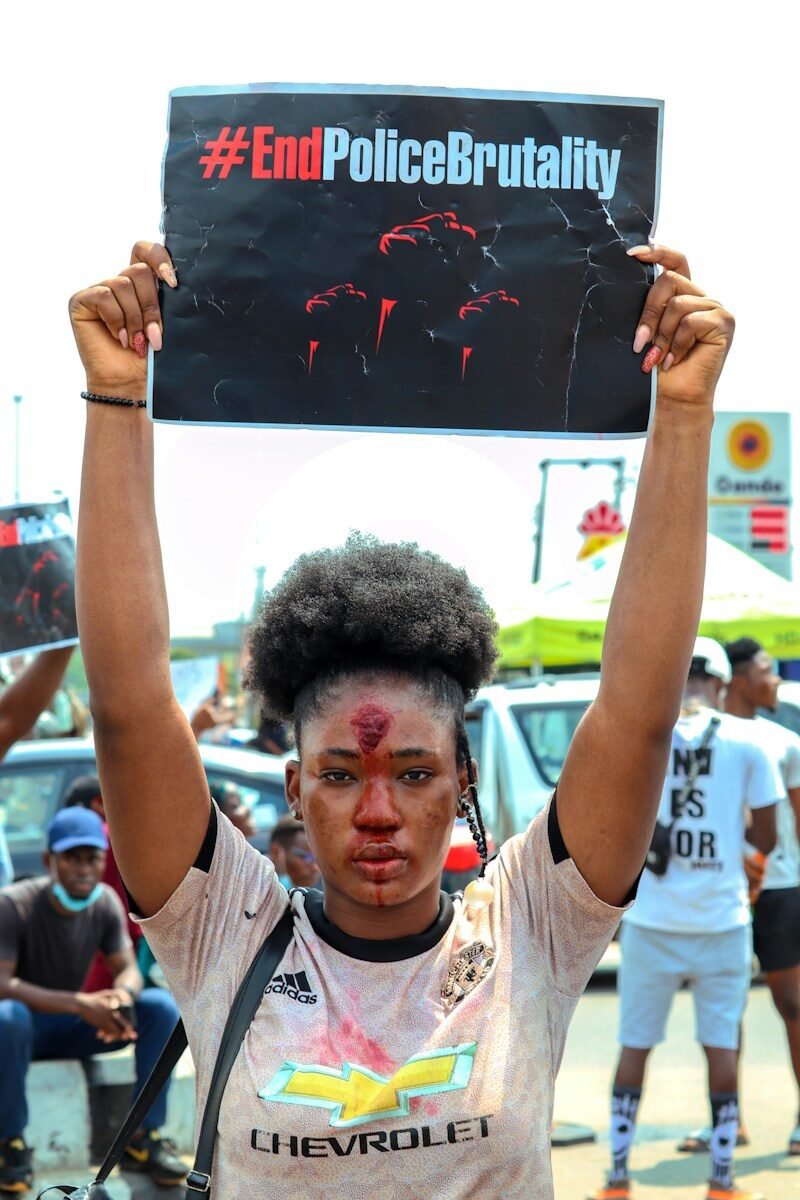
Photo by Tosin James
Some people discover a deep concern for present-day human trafficking the moment Black people begin talking about enslavement. Suddenly, we need to stop looking backward. There are people suffering today, they remind us, as though we have somehow failed to notice.
But we have noticed. That is part of why we keep talking. Try not to get angry at the messengers when you figure out it is the same conversation, Monticello.
We recognize the danger of treating human beings as available for somebody else’s use. We recognize what happens when people with power decide that another person’s need for food, shelter, work, or protection gives them an opening to exploit her.
Historical enslavement and present-day trafficking are not identical systems. But the struggle against them is connected by an unfinished demand: no human being’s vulnerability gives another person the right to own, control, or exploit them.
The law can change before the conditions do
The end of a law is a date. Repair is work
Emancipation was a profound victory won through resistance, sacrifice, and struggle. But ending legal ownership of human beings did not automatically provide the formerly enslaved with economic security, equal protection, or fair access to opportunity.
The United Nations identifies the legacies of enslavement and colonialism, alongside discriminatory institutions, as continuing sources of marginalization for people of African descent. That is a reason to examine the present carefully, rather than assume the past has finished working on it.
Consider what it means for a family to inherit resources. A home can provide stability through a job loss. Savings can help someone leave a dangerous relationship. A relative with money can buy a bus ticket when an opportunity turns into a threat.
Now consider inheriting the absence of those protections. That does not determine a person’s future, but it can narrow the choices available when trouble comes.
Exploitation feeds on unequal choices
When we ask who inherited the wealth, we must also ask who inherited the struggle to live without it.
A woman needs somewhere to sleep tonight. Someone offers a room, then begins attaching demands.
A worker needs wages to feed his children. A recruiter promises a good job, then uses debt and threats to make leaving dangerous.
The person doing the exploiting understands the pressure. They are counting on the difference between what someone would freely choose and what that person may endure to survive. (And who exactly are victims supposed to turn to and trust when they risk being harmed by the people supposed to help them—the police?)
The International Labour Organization identifies poverty, discrimination, and lack of social protection as roots of forced labour. Addressing those conditions belongs at the heart of prevention.
Exploiters take advantage of poverty. Keeping responsibility clear helps us protect people without blaming them for needing a way through.
The unequal distribution of humanity is part of the problem
You cannot measure freedom only by what people are allowed to leave. Ask whether they have somewhere safe to go.
Resources and opportunities matter. So does whose suffering people recognize as urgent.
Who gets described as a person in danger? Who gets dismissed as someone who should have known better? Whose missing daughter receives sustained attention, and whose daughter becomes a story about her supposed bad choices?
Those judgments shape whether people receive protection or suspicion when they need help. For women and girls already facing racism, poverty, or abuse, being treated as less credible can make a dangerous situation harder to escape.
An anti-exploitation movement has to confront that unequal regard. We cannot build meaningful protection while leaving certain people to prove that they deserve it.
Today’s victims deserve more than a role in somebody’s rebuttal
The history of exploitation belongs in the room where we discuss prevention.
If someone sincerely wants to discuss human trafficking today, there is serious work waiting. We can discuss safe housing, fair employment, protection from violence, and practical support that gives Survivors somewhere secure to go.
Pattern recognition is one reason we must keep teaching the history of enslavement. We need to understand how people justified taking someone else’s labor, separating families, punishing resistance, and treating another human being’s freedom as a threat to their prosperity.
Remembering enslavement helps us recognize patterns of exploitation before people give them another respectable name. We do not have to claim that every injustice is identical to notice familiar methods of control.
Those lessons help us ask better questions today. Who controls the money? Can the person safely refuse? What happens when they try to leave? Who profits, and whose suffering gets explained away?
Recognizing a pattern is a reason to investigate carefully. We still examine the evidence, but we do not owe a familiar danger the benefit of our forgetting.
Our ancestors left us more than an account of what happened to them. Their testimony helps us recognize what people will excuse when exploitation benefits them.
But bringing up present-day victims only to shut down a conversation about historical victims does neither group justice. It offers no protection to the person being exploited now and no honest reckoning with the people exploited before.
There is room to examine the distinctions and the connections. Historical specificity makes that work stronger. We do not have to flatten every form of exploitation into the same story to recognize familiar arrangements of power, profit, coercion, and disregard.
The question running through these struggles is painfully consistent: Who gets to live freely, and who is expected to surrender their life to somebody else’s benefit?
That is why this is not a different fight in the way the escape-hatch argument suggests. The work continues wherever people turn another person’s limited options into an opportunity for control. Enslavement = slavery = human trafficking. Same cruelty. Same tactics. Heck, even the same demographics are still benefiting.
Yesterday’s victims do not stand in the way of today’s freedom. Remembering what happened to them can help us recognize what freedom still requires. An honest account of progress has room for both the victory and the unfinished work.
Our ancestors deserve remembrance. Our children deserve evidence that we learned.
Missing Black Girls: Still Invisible – WE Survive Abuse
Grooming by Environment: When the System Softens the Ground for Abuse – WE Survive Abuse
Jim Crow Was About Stripping Boundaries-Not Setting Them – WE Survive Abuse
Stay Woke: When a Warning is Turned to a Punchline – WE Survive Abuse
Victimization, Victimhood, and the Right to Keep Naming What Happened – WE Survive Abuse
Della Reese, Medical Racism, and Why Black Patients Fight to Be Heard – WE Survive Abuse
Sally Hemings: The Founding Father and the Silence He Bought. – WE Survive Abuse
No Test Can Measure What Women Have Been Enduring – WE Survive Abuse
The Mothers of Modern Gynecology: Anarcha, Lucy, and Betsey – WE Survive Abuse