Women have been finding one another and making a way for a very long time. We are not beginning. We are continuing....A particular feeling comes o
Women have been finding one another and making a way for a very long time. We are not beginning. We are continuing….
A particular feeling comes over me when history opens a door I didn’t know was there.
We are accustomed to being introduced to women’s rights through familiar dates, conventions, famous speeches, and organizations. Those histories are important. But sometimes, if we travel farther back and look somewhere different, we discover women doing the work long before anyone handed that work the language we use today.
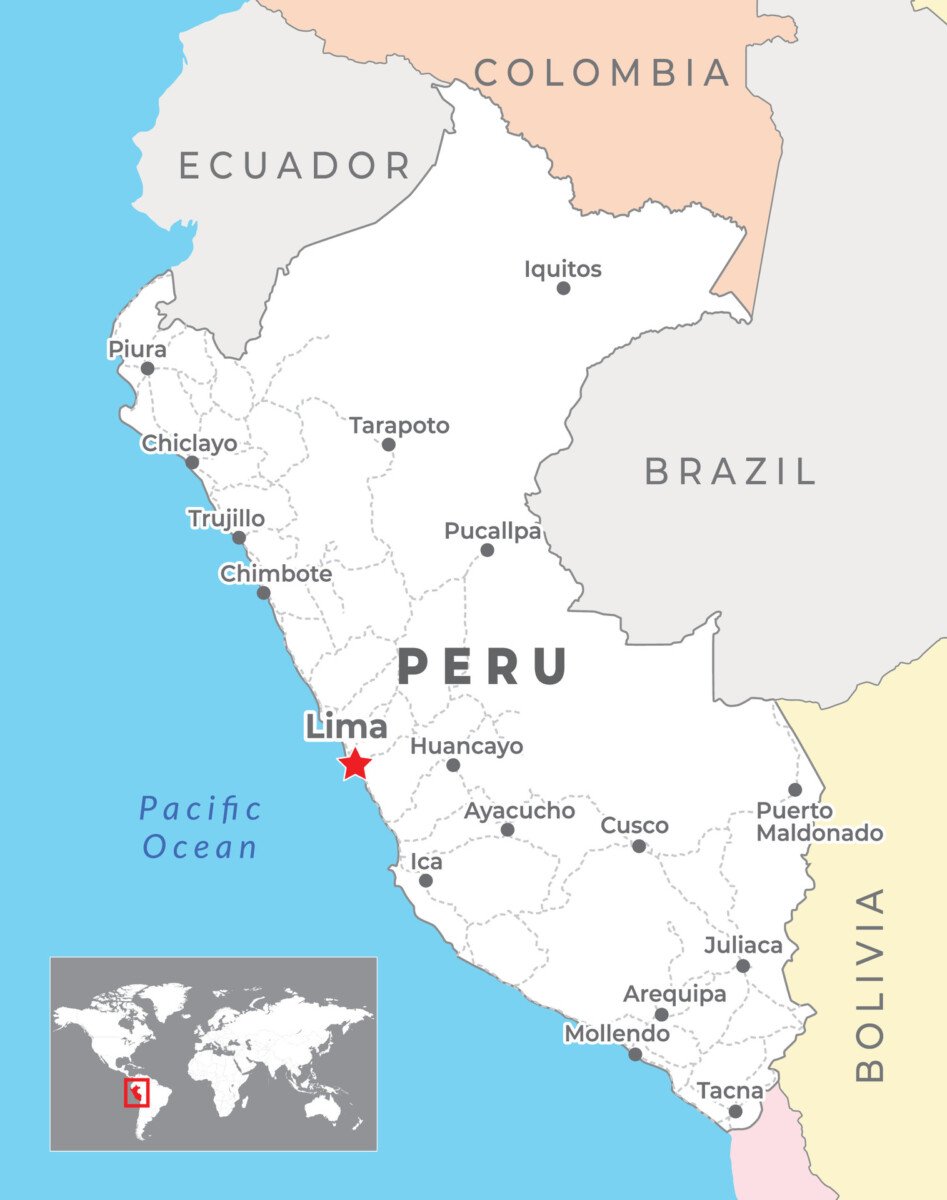
Would you come with me to seventeenth-century Lima, Peru?
There, among a large population of people of African descent, we find Black women, some free and some enslaved, participating in Black Catholic confraternities. These organizations provided religious fellowship, but they also helped communities care for sick people, bury their dead, provide financial assistance and maintain community ties in a society structured by slavery, race, sex and social rank.
And right there, inside records that survived for centuries, are the women.
Not simply attending. Leading.
Historian Marcella Hayes has documented something extraordinary: Black women in colonial Lima held elected leadership positions within these confraternities. They exercised forms of public authority unusual for women of their time, including Spanish and Indigenous women in comparable organizations.
Once you see them, it becomes difficult to tell the history of women’s power quite the same way again.
1. Black Women Were Being Elected to Leadership
These women could serve as mayoralas, elected female officers within their confraternities. Their positions were not merely ceremonial. They participated in decisions affecting organizations that were important to Black community life.
That distinction matters because history has a habit of remembering women’s service while forgetting women’s authority. We remember women cooking, tending, nursing, cleaning and comforting because societies have long been comfortable imagining women there.
The records from Lima ask us to widen the picture.
Black women were also trusted with leadership.
2. They Controlled and Managed Money
Follow the money in almost any society and you begin to discover where power really lives.
The mayoralas collected and managed confraternity funds. Money could be used for funerals, festivals, medical assistance, imprisoned members and other community needs.
That meant these women were not simply helping. They had influence over resources.
Imagine what that represented for a Black woman living within a colonial slave society. She existed within structures designed to restrict the autonomy of people of African descent and of women, yet within these organizations Black women carved out recognized spaces in which their judgment carried weight.
They knew something women would continue demonstrating for centuries: caring for a community and making decisions for a community are not two different kinds of work.
3. Black Women Could Represent Their Organizations in Court
Some of these women appeared in ecclesiastical courts as legal representatives of their confraternities.
That image stays with me.
A Black woman in colonial Lima walking into a court not merely as somebody being acted upon, but as somebody authorized to act.
We should resist romanticizing what remained a profoundly unequal world. These women were navigating systems built with enormous racial, sexual and economic inequalities. Their authority had limits, and men eventually challenged some of it.
But limitation does not erase agency.
Sometimes women’s history becomes clearer when we stop asking whether women possessed freedom as we understand it today and begin asking what they did with whatever openings they could reach.
These women reached.
4. Some Black Women Created Organizations of Their Own
Perhaps one of the most fascinating findings is that women sometimes separated from larger confraternities and formed their own female associations.
Women organizing with women is not a modern invention.
Neither, apparently, is conflict over what happens when women become too independent.
Historical records examined by Hayes show male confraternity leaders challenging women’s authority through the courts. Women’s control over money and their ability to organize independently could become points of contention.
There is something almost startlingly familiar about it.
Women gathered. Women accumulated organizational knowledge. Women managed resources. Women discovered what they could accomplish together. Then questions arose about just how much independence women ought to have.
Centuries change.
Some arguments age very slowly.
5. Free Black Women Helped Finance Freedom
Here the story becomes even more intimate.
Research discussed by Hayes, drawing upon historian Karen Graubart’s work, indicates that free Black women were important lenders within Lima’s Black community. They sometimes lent money to enslaved friends and relatives who were trying to purchase their freedom.
Pause there long enough to see what that means.
A woman gained some economic footing in a society built upon profound inequality. Then somebody she loved was still trapped inside slavery.
So money became more than money.
Money could become a doorway.
A loan could become a possibility.
A Black woman’s economic agency could help another human being move closer to owning their own life.
6. Esperanza Carabalí Tried to Use What She Had to Help Free Her Husband
One woman emerges from these records with a name: Esperanza Carabalí.
When Esperanza made her will in 1640, her husband Francisco remained enslaved. Because leaving property directly to an enslaved husband risked having it seized by his enslaver, the arrangements surrounding her estate were more complicated.
The surviving record indicates that Esperanza wanted her resources used to help secure Francisco’s freedom.
The effort ultimately did not unfold as she intended. But I am struck by what her story allows us to see.
An African-descended woman living nearly four centuries ago understood that what she had accumulated might become leverage against bondage.
We know her name.
Esperanza.
And now we can say it again.
7. Their Power Was Challenged, Which Tells Us Something About How Real It Was
Eventually, Black women’s authority within these organizations faced increasing resistance. Hayes found men using courts to challenge women’s leadership, and women’s institutional power diminished.
That should not be tucked away as an unfortunate footnote.
It tells us something.
Power does not have to be unlimited before someone finds it threatening.
These women had acquired enough organizational, financial and political autonomy for disputes over that autonomy to enter the historical record.
And perhaps that is where this story becomes especially meaningful for women today.
We have inherited histories that often introduce women when somebody finally decided to grant us something. A vote. A position. A law. Admission. Recognition.
But women were not waiting quietly backstage for history to begin.
Women were negotiating, refusing, earning, organizing, protecting, lending, petitioning, leading and finding one another.
Black women were doing it under slavery.
They were doing it before modern feminism had a name.
They were doing it in Peru.
And the archives left us enough breadcrumbs to find them.
When I think about these women now, I don’t imagine a tidy march toward freedom. Their lives were more complicated than that. Some were free while people they loved remained enslaved. Some held authority while still living under racial and sexual hierarchies. Some gained power only to watch men challenge it.
That is precisely why I want to remember them.
Real women’s history is rarely a straight road.
Sometimes it looks like a woman discovering that the little authority she has can be shared with another woman. Sometimes it looks like women pooling resources. Sometimes it looks like taking somebody to court. Sometimes it looks like creating a women’s organization because the existing arrangement no longer leaves enough room to breathe.
And sometimes it looks like a Black woman named Esperanza trying to turn what she owned into somebody else’s freedom.
Long before somebody called it ‘women’s rights’, women understood something elemental:
Our lives belonged to us, our voices had value, our judgment had value, and when women found one another, we could make room where very little room had been given.
The women of colonial Lima did not need our modern vocabulary to know that.
They lived it.
The women before us understood something we sometimes forget: community is not only about gathering. It is about building enough collective strength to do something
Sources & Further Reading
1. Marcella Hayes, “‘They Have Been United As Sisters’: Women Leaders and Political Power in Black Lay Confraternities of Colonial Lima,” The Americas, Vol. 79, No. 4 (2022), pp. 559–586.
This should be our primary source for the article’s major claims. Hayes documents that both free and enslaved Black women in seventeenth-century Lima held elected positions in Black Catholic confraternities. As mayoralas, women collected and managed funds, participated in organizational decision-making, and could act as their confraternities’ legal agents in ecclesiastical court. Hayes also documents male officers using the courts to challenge women’s authority as the century progressed.
Read the open-access article at Cambridge University Press
2. Karen B. Graubart, “‘So color de una cofradía’: Catholic Confraternities and the Development of Afro-Peruvian Ethnicities in Early Colonial Peru,” Slavery & Abolition, Vol. 33, No. 1 (2012), pp. 43–64.
Graubart provides important background for understanding what these organizations actually were. Enslaved and free Africans in Lima joined Catholic cofradías not simply for worship, but as places where African-descended people formed community within colonial society.
Article information at Taylor & Francis
3. Karen B. Graubart, “The Bonds of Inheritance: Afro-Peruvian Women’s Legacies in a Slave-holding World,” in Uncovering the Colonial Archive: Women’s Textual Agency in Spanish America, 1500–1800 (Routledge, 2017), pp. 130–150.
This is particularly valuable for the sections of our post concerning Black women’s property, wills, inheritance and economic agency within a slaveholding society. Graubart has done substantial archival work reconstructing Afro-Peruvian women’s lives through documents women left behind.
4. Karen B. Graubart, “Los lazos que unen: Dueñas negras de esclavos negros en Lima, ss. XVI–XVII,” Revista Nueva Corónica, No. 2 (2013), pp. 625–640.
This is another important piece behind the more complicated economic history. Graubart’s research includes the wills of women such as Antonia de Lezaña and Esperanza Carabalí. Hayes, drawing upon Graubart’s findings, notes that free Black women were major lenders within Lima’s Black community and sometimes loaned enslaved relatives and friends money to purchase freedom.
5. Karen B. Graubart, “As Slaves and Not Vassals: Interethnic Claims of Freedom and Unfreedom in Colonial Peru,” Población y Sociedad, Vol. 27, No. 2 (2020), pp. 30–53.
This article gives useful legal context. Graubart examines how Indigenous and African-descended people navigated colonial definitions of slavery and freedom and used the colonial legal system’s own language to argue for protections and privileges.
Read the article in Población y Sociedad
6. Ximena A. Gómez, In the Hands of Devotees: Indigenous and Black Confraternities and the Creation of Visual Culture in Colonial Lima (University of Texas Press, 2025).
This newer scholarship broadens the picture beautifully. Gómez shows Black and Indigenous confraternities as active makers of Lima’s religious and visual culture rather than people merely standing at its margins. Her research also identifies economically active mayoralas in seventeenth-century Black confraternity records.
A note about language: These women lived centuries before today’s organized women’s-rights movements and would not have called themselves “women’s-rights activists.” We use that comparison carefully. What the historical record allows us to say is powerful enough: Black women in colonial Lima held leadership positions, managed communal money, represented organizations in court, formed associations, accumulated property, helped finance freedom, and sometimes defended their authority when men challenged it.