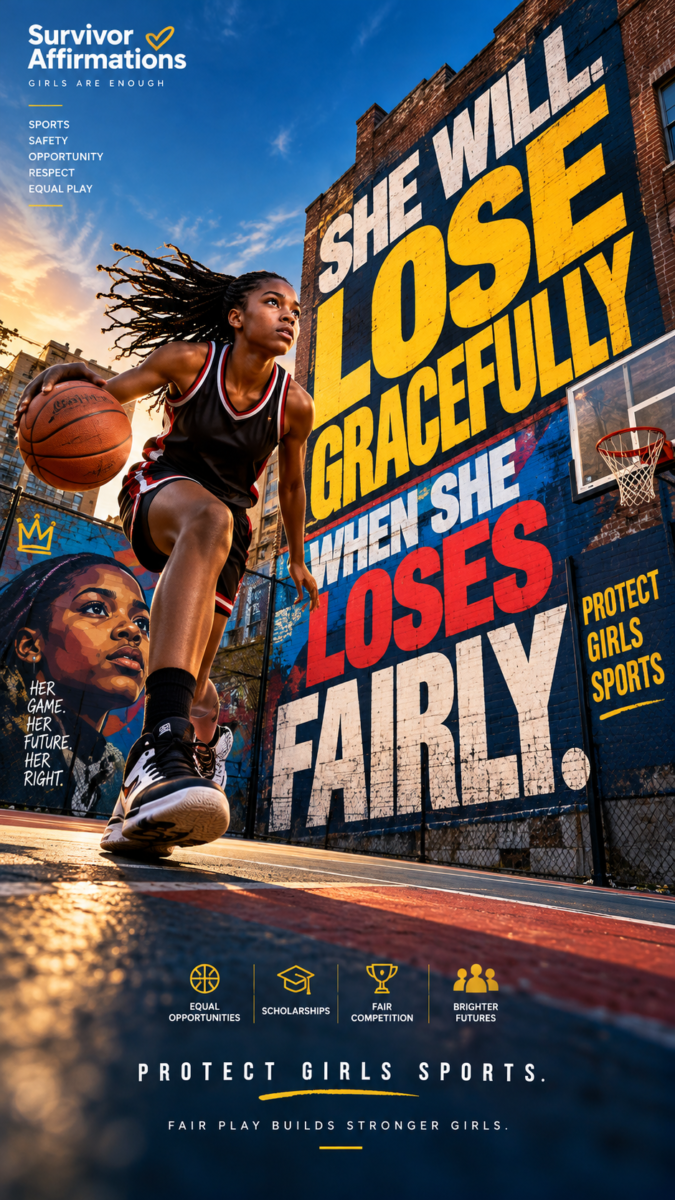
Freedom is never really won. You earn it and win it in every generation.
Struggle is a never-ending process. Freedom is never really won; you earn it and win it in every generation.
Coretta Scott King
The experiences of women in Afghanistan, Sudan, and the Democratic Republic of the Congo (DRC) offer urgent, sobering lessons for women globally—not as distant tragedies, but as warnings about how quickly rights can vanish and how fiercely women must protect them.
Number one, biological sex makes women a specific target for systemic subjugation, sexual violence as a weapon of war, and legal erasure—here are the other critical lessons women around the world should take away for safety, protection, and advancement:
-
2. Rights Are Never Permanent; They Are Loaned Until Defended In Afghanistan, women went from holding seats in parliament, practicing law, and attending university to being barred from public parks, secondary education, and most employment in a matter of months. The lesson is that legal equality and social progress are not irreversible ratchets. Without constant vigilance, strong institutions, and enforceable protections, generations of gains can be dismantled overnight when political power shifts.
-
3. Economic Independence Is Survival, Not Just Ambition In both Afghanistan (where bans on female NGO workers and business owners devastated households) and Sudan (where war displaced millions and destroyed local economies), women who lacked independent financial resources, property rights, or marketable skills were trapped with the fewest options for escape or survival. This is why the women with more means ought not be telling women with less what to accept. We don’t really need more women telling other women and girls how to lay out more red carpets of boys and men. We heard that already. As women, we can all unlearn sexism and misogyny.
A better use of time, energy, and privilege is to help lift and advance other women.
-
4. Control Over Women’s Bodies and Mobility Is Always the First Tool of Authoritarianism Whether through the Taliban’s strict dress codes and male-guardian (mahram) travel restrictions, or the widespread use of rape and forced displacement by armed factions in Sudan and the DRC, regimes and militias always begin consolidating power by controlling where women can go, what they can wear, and who owns their bodies. Policing women’s autonomy is never a “side issue”—it is the blueprint for total control over a society.
-
5. The World Will Not Automatically Rescue Women Despite decades of international treaties, UN resolutions, and global rhetoric about human rights, geopolitical interests, resource extraction (such as conflict minerals in the DRC), and donor fatigue routinely take priority over women’s lives. Women cannot rely solely on outside governments or international bodies to intervene; local solidarity, grassroots networks, and women-led coalitions are often the only lifelines that actually hold under pressure. Males support males. Males yield to other males.
-
6. Silence and Isolation Are Deliberate Weapons In Afghanistan, restrictions have escalated to banning women’s voices from being heard in public; in Sudan and Congo, the stigma surrounding sexual violence often forces Survivors into silence. Isolating women from one another—cutting off their education, workplaces, and public spaces—prevents them from organizing. Maintaining community, documenting the truth, and refusing to let women be erased from public life are acts of resistance.
-
7. Sisterhood Requires Specific, Material Action—Not Just Sympathy Women in these regions do not just need awareness; they need underground schools, safe houses, maternal healthcare, legal pathways to asylum, and economic lifelines. For women living in safer, more stable parts of the world, the lesson is to use their relative freedom—their votes, money, platforms, and voices—to materially support women on the front lines and to guard against the early warning signs of rollback in their own backyards. The old adage that girls and women ought to be pleasantly seen for the viewing pleasure and entertainment purposes of others and not heard must be unlearned. By all of us.
Coretta Scott King was a wise woman.
She lived to see some advancements for women and Black people come to fruition, yes. But she wasn’t fooled by it.
Ultimately, the lives of women in Afghanistan, Sudan, and the Congo strip away the comfortable illusion that human rights move forward on their own. Being born female makes women a deliberate target when power shifts, which means legal protections, financial independence, and bodily autonomy are never permanent gifts—they are only ever loaned until defended.
As Coretta Scott King warned, freedom is never won once and for all; it has to be earned and guarded in every generation. For women everywhere, honoring those on the front lines means refusing silence, building real economic and community lifelines, and fiercely protecting the boundaries and rights we still hold before anyone tries to take them away.
When Women Excuse Violence, Everyone Pays: The High Cost of Ignoring Abuse – WE Survive Abuse
Iyanla Vanzant: Abusive People Have a Way of Making You Feel it is All Love – WE Survive Abuse