Woman Lured Her 'Baby-Daddy'’s Rape Accuser Into Kidnapping, Prosecutors Say · City Cast DCThere is a fairytale version of society h
Woman Lured Her ‘Baby-Daddy’’s Rape Accuser Into Kidnapping, Prosecutors Say · City Cast DC
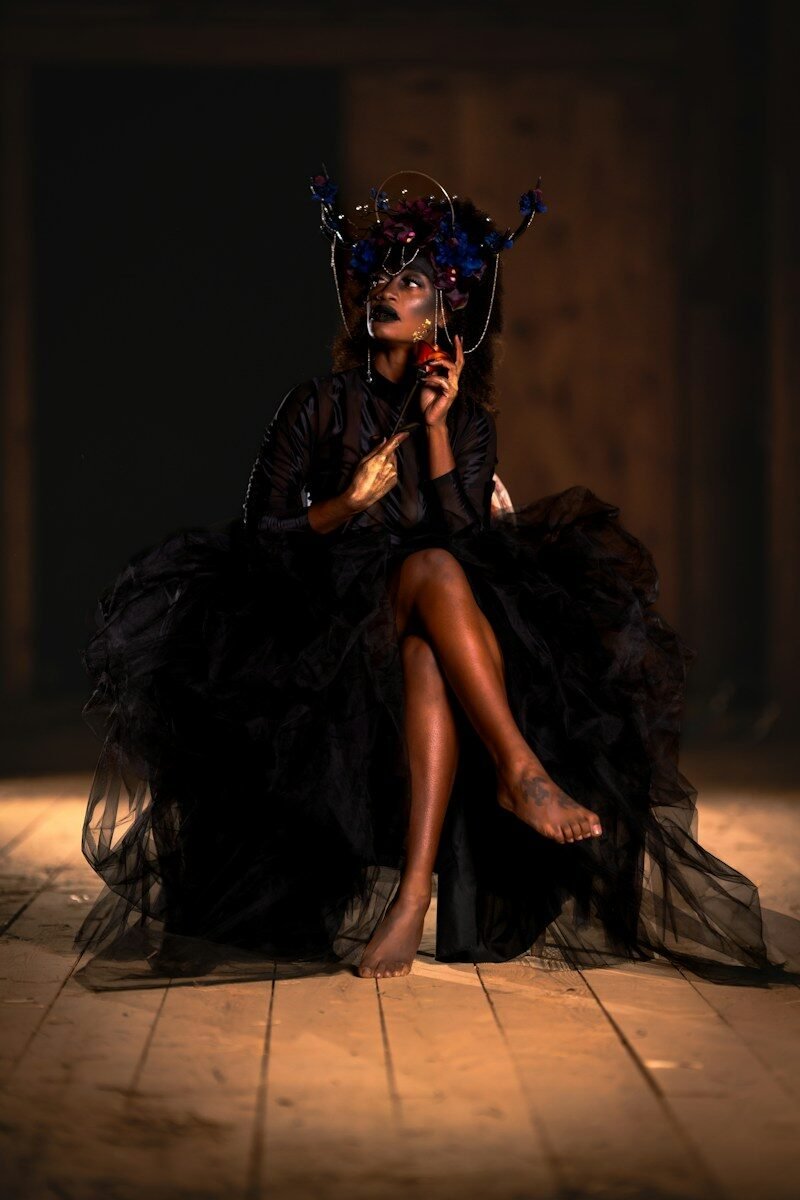
Photo by Eric Torres
There is a fairytale version of society hiding behind the question, “Why didn’t she report?”
People imagine a society that is far more compassionate, courageous, fair, and protective than the one women actually encounter.
They imagine families that will rally around a daughter, sister, wife, or mother. They imagine friends who will stand beside her. They imagine police officers who will listen carefully, employers who will protect her, institutions that will investigate fairly, and communities that will hold the person responsible accountable.
But those are expectations. They are not guarantees.
We have confused what people are supposed to do with what people can actually be counted on to do.
And when a woman comes forward, she may discover the distance between those two things at the worst possible time in her life.
The fairytale of the supportive society
Consider how often people speak about sexual violence in the abstract.
They say they would never tolerate abuse. They say they would believe their daughter. They insist they would confront a dangerous friend or relative. They declare that sexual assault should always be reported.
Then an allegation involves someone they love, admire, employ, worship alongside, or depend upon financially.
Suddenly, their principles face a test they never imagined having to take.
Some people do stand firm. Too many others hesitate, withdraw, pressure the woman into silence, or become openly hostile.
And some become participants in the very mistreatment they once claimed they would condemn.
Watch what happens after women report
This is where I think your observation becomes especially powerful.
If people genuinely want to understand why women do not report sexual violence, they should study what happens to women who do.
Watch the public cases. Follow them beyond the initial allegation.
Watch how quickly conversations turn toward the woman’s credibility, personality, clothing, sexual history, relationships, drinking habits, previous statements, and supposed motives.
Watch whether her family stands beside her. Watch what happens when the accused is popular, wealthy, influential, or beloved.
Pay attention to how institutions respond when a woman’s safety conflicts with their interests.
And watch what happens inside the reporting process itself.
A woman may encounter disbelief, invasive questioning, delays, lost evidence, retaliation, breaches of confidentiality, or professionals who are poorly trained to handle sexual violence. In some documented cases, people entrusted with protecting vulnerable women have exploited their authority to abuse them further.
The very process presented to women as their pathway to safety can expose them to additional harm.
That does not mean every institution fails or that reporting is always harmful. It means reporting involves real risks, and women deserve truthful information about those risks rather than promises nobody can guarantee.
We have also romanticized ourselves
There is another uncomfortable part of this conversation.

Photo by JD-Photos
Most people imagine themselves as the good person in someone else’s story.
The friend who would never abandon her. The parent who would immediately protect her. The colleague who would speak up. The neighbor who would intervene.
But being supportive when the cost is nothing tells us very little about what someone will do when support requires sacrifice.
Will they challenge a respected family member? Will they risk losing friends? Will they contradict a religious leader? Will they support a woman whose account makes their own life inconvenient?
The question we have avoided asking
We have spent decades asking women to explain their silence.
Perhaps we should spend considerably more time examining the people and systems that make silence seem safer.
Because “Why didn’t she report?” is frequently asked by people who have never seriously examined what happens when she does. IF we want more women to come forward, then WE must change.
A woman deciding whether to report sexual violence is not making that decision inside the society we like to imagine. She is making it inside the society she knows, with the family she has, the friends she has, and the institutions available to her.
Woman Lured Her ‘Baby-Daddy’’s Rape Accuser Into Kidnapping, Prosecutors Say · City Cast DC
🛑 You Can’t Build Something Sacred on Disrespect – WE Survive Abuse
Mujey Dumbuya: When Schools Should Be Safe Havens, Not Danger Zones – Rosa’s Children
Deanna’s Law: 12 Systemic Failures That Changed 911 Response – WE Survive Abuse
Credit: Ann Ebert