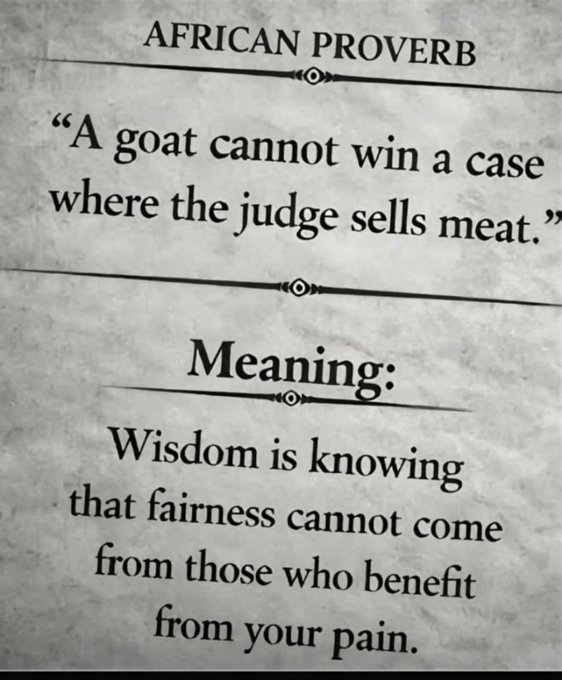
When insulting women is considered entertainment, but women objecting is considered oversensitivity, the joke has become a lesson in whose digni
When insulting women is considered entertainment, but women objecting is considered oversensitivity, the joke has become a lesson in whose dignity is negotiable.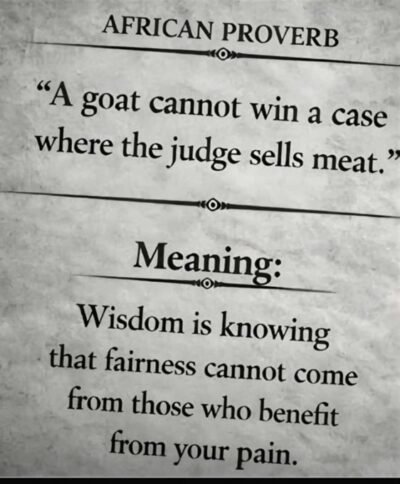
Viewers of American television are noticing that some words aren’t acceptable, but words that dehumanize women are still “all systems go.”
On American broadcast television, including Saturday Night Live, many misogynistic insults are not automatically prohibited, even though networks may choose to restrict them.
Here are examples:
Word or phrase | How it degrades women |
|---|---|
Whore | Reduces a woman to a sexual insult, often regardless of her actual behavior. |
Bitch | Used to punish women for anger, independence, disagreement, or refusal. |
Slut | Shames women through judgments about their sexuality, appearance, or clothing. |
Skank | Portrays women as sexually dirty or contemptible. |
Hoe / Ho | Frequently used to ridicule or sexually demean women. |
Tramp | Suggests a woman is morally inferior because of perceived sexual behavior. |
Hag | Attacks women’s age and appearance, especially older women. |
Cow | Reduces a woman’s body or appearance to an animal insult. |
Bimbo | Suggests an attractive woman is unintelligent or exists primarily for male pleasure. |
Ball and chain | Portrays a wife or female partner as a burden or imprisonment. |
These words do not all carry the same history or severity. Some have neutral uses, reclaimed uses, or meanings that depend heavily on context. Nor are they all guaranteed to pass a network’s internal standards.
But here is the contradiction:
Broadcast standards can restrict certain profanity while allowing language that humiliates women.
The FCC’s indecency framework is primarily concerned with sexual or excretory content, not whether an insult reinforces misogyny. Networks also apply their own editorial standards. So a comedian might face more immediate consequences for accidentally uttering a prohibited swear word than for deliberately calling women degrading names.
Profanity gets censored. Misogyny gets a laugh track.
When a woman objects to being called a degrading name, the discussion often shifts to whether she can “”take a joke.” Suddenly, her response becomes the controversy rather than the contempt directed at her.
The deeper question is not whether every offensive word should be banned.
It is why our standards for acceptable speech can be stricter about profanity than about the public humiliation of women.
And there is a difference between a comedian using language to expose misogyny and using women as the object of contempt for a laugh.
NOTE: Yes, someone might wonder about the difference between slurs and ‘misgendering’
I have personally been called some things in certain spaces purely out of respect. BUT, when I went into other spaces, I was simply called Tonya or Ms….
The difference between a slur and misgendering is the difference between using language to degrade someone and declining to affirm someone else’s understanding of themselves.
Those are not automatically the same act, and treating them as interchangeable raises serious questions about freedom of expression.
1. A slur is language used to demean or stigmatize.
A slur is a word or expression associated with contempt, degradation, or prejudice toward a person or group. Its meaning often comes from a history of discrimination and social humiliation.
Racial slurs directed at Black people, for example, carry a history of racial subordination. Misogynistic slurs have long been used to shame women, attack their sexuality, and diminish their humanity.
A slur can communicate contempt even when the speaker insists that no harm was intended.
2. Misgendering is a disagreement over classification or identification.
Misgendering generally means referring to someone using sex or gender terms that do not correspond with that person’s gender identity.
It may be deliberate or accidental. It may be intended to insult, or it may reflect a person’s understanding of biological sex, religious beliefs, or refusal to adopt a particular framework of gender identity.
The act alone does not establish the speaker’s motive.
Someone can deliberately misgender another person to humiliate them. But it does not follow that every person who declines to affirm a gender identity is attempting humiliation. That distinction deserves protection in any serious discussion of civil liberties especially since women are seemingly the main persons “punished” for this.
A woman can recognize another person’s humanity without agreeing with every claim that person makes about identity.
There is a difference between requiring people not to threaten, harass, or discriminate against others and requiring them to express a belief they do not hold.
Consider these two expectations being placed mostly on women:
Refrain from abuse: Do not threaten, intimidate, or subject someone to targeted harassment.
Affirm an identity: Use particular language because another person requires you to recognize their identity in that way.
The first regulates harmful conduct. The second can raise questions about compelled expression and freedom of conscience.