I literally have a theme song for when I need to return to this lesson. Blame It on Me by Chrisette Michelle.
“You can say whatever you like. As long as we just say goodbye.”
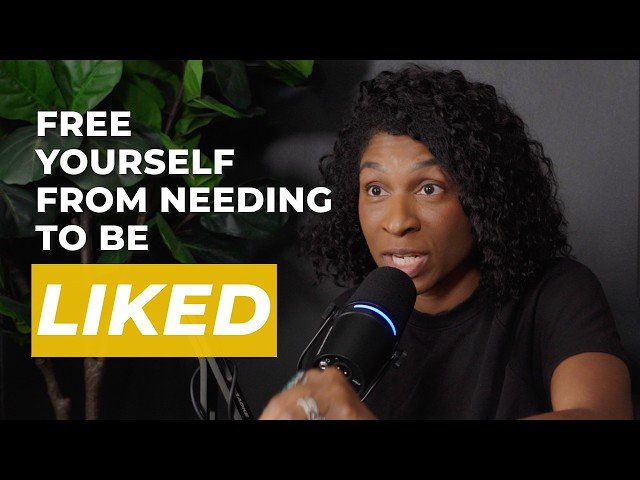
I like this video and the message that this mental health professional shares. All too often, women and girls are pushed to go above and beyond to be likable to people who will never like us anyway. 
I despise the message being sent from nearly every corner to women that we have to be the salve for all that ails males.
For people who grew up in abusive environments or experienced grooming, accepting that some people simply will not like us, no matter how kind, thoughtful, generous, or accommodating we are, can be a difficult lesson.
And sometimes it takes years to learn. Gradually for some of us.
Abuse and grooming can teach people that being liked is more than a social preference. It can feel like a matter of safety because once upon a time, IT WAS. If someone is angry with you, you may need to calm them. If someone is disappointed, you may feel responsible for fixing it. If someone withdraws affection, you may search your memory for what you did wrong.
You learn to study people’s moods, anticipate their needs, soften your words, and make yourself easier to accept. And sometimes those behaviors really did help you survive. But there is a painful truth waiting on the other side of that conditioning.
You can do everything right and still be disliked.
You can be respectful, and someone will find you offensive. You can be generous, and someone will call you selfish. You can explain yourself carefully, and someone will insist on misunderstanding you.
You can even surrender things that matter deeply to you, only to discover that the person demanding those sacrifices still isn’t satisfied.
Because sometimes the problem was never that you weren’t doing enough. And this is where healing asks something different of us. Something sooo uncomfortable (until you get used to it.)
We have to learn that another person’s dislike is not necessarily evidence that we have failed. Their disappointment does not automatically create an obligation. Their anger does not always mean we have done something wrong.
Of course, we should remain willing to examine our behavior, apologize when we cause harm, and grow when we need to grow.
But we cannot build a healthy life around the impossible assignment of making sure nobody ever has a negative feeling about us.
For Survivors, this can mean learning to tolerate something that once felt or actually was dangerous: another person’s disapproval.
Not every uncomfortable interaction requires repair. Not every misunderstanding requires another explanation. Not every relationship deserves another sacrifice.
And perhaps one of the most freeing realizations is that we do not have to dislike someone in return simply because they dislike us.
We can wish them well. We can leave them alone. We can remain decent people without begging for a place in their lives.
We can let people have their opinions without handing them authority over our worth.
An affirmation worth keeping:
I am no longer willing to spend my life auditioning for acceptance. I can be kind without being liked. I can be respectful without being welcomed. I can be a good person in someone’s story even when they refuse to see me that way. My responsibility is to live with integrity, not to convince every person I encounter that I deserve their approval.
And one more thing I would want Survivors to hear:
Someone not liking you is not always a problem you need to solve. Sometimes it is simply a reality you are finally free to accept.
You’re Not Broken. You Were Trained to Survive Chaos. – WE Survive Abuse