Well, aren’t we women and girls being abandoned? Still…..
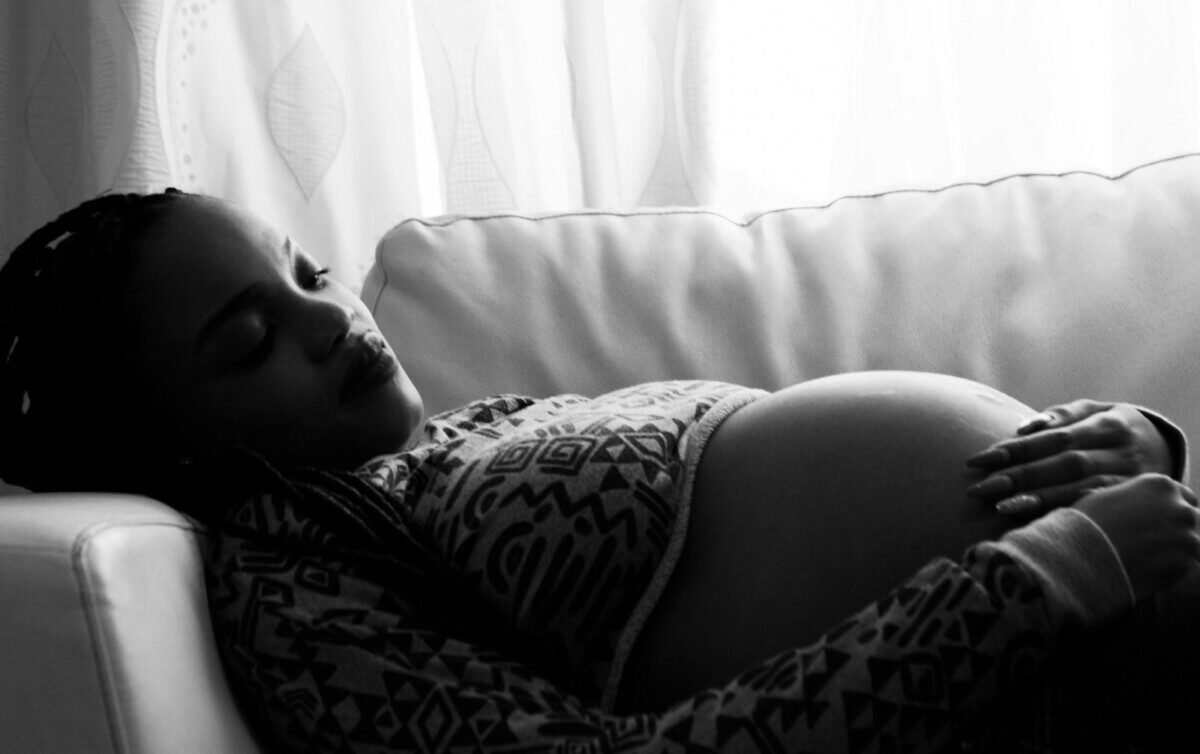
Photo by Dexswaggerboy
For decades, women and girls have walked into exam rooms, emergency departments, and training rooms carrying a gut feeling that medicine wasn’t really built with us in mind. Turns out, your gut was keeping better records than the charts.
When the top voices in medicine go dead silent on female sports safety, bone density, and biological boundaries, they aren’t being careful. They are confirming everything women have been saying since we first asked why a heart attack looks different in our chests than it does in a textbook.
Look at the track record. For generations, medical science treated the male body as the human blueprint and treated women like a complicated variation. They ran clinical drug trials without women, calibrated doses around male metabolism, and left women to absorb higher rates of adverse drug reactions in silence.
They designed crash-test safety standards around average male proportions, leaving women at measurably higher risk of severe injury behind the wheel. And in emergency rooms across this country, women presenting with nausea, jaw pain, or crushing fatigue during a cardiac event were routinely patted on the hand and told it was just anxiety.
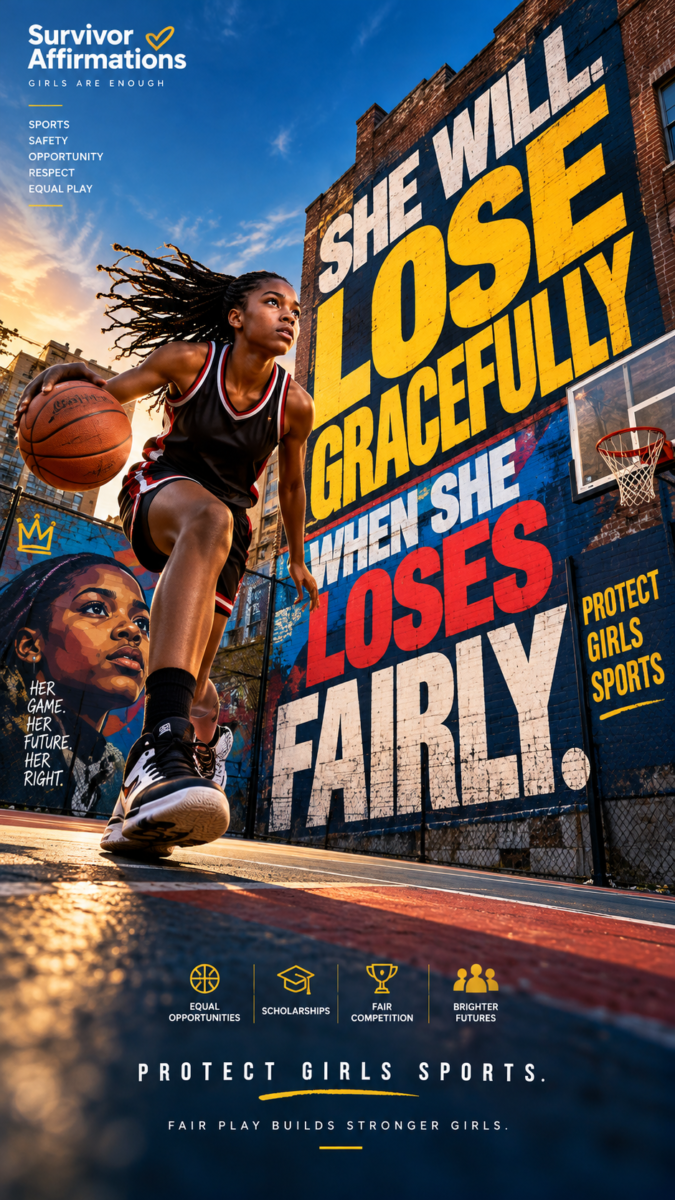
Now look at the playing field. Every sports physician and orthopedist knows that female athletes face distinct physiological realities—including significantly higher rates of non-contact ACL injuries and severe concussion outcomes—and that male puberty confers lasting musculoskeletal density, lung capacity, and force generation.
Yet when girls and women ask for basic, sex-based safety boundaries in contact and competitive sports, the major medical boards suddenly lose their voices.
They protect their grants, their university chairs, and their polite applause while leaving young women to absorb the physical impact.
If you are a Survivor, you recognize that move in your sleep. It is the exact same logic you survived behind closed doors: shrink yourself, swallow the risk, keep the peace, and don’t make the powerful people in the room uncomfortable.
A credential does not equal courage, and silence in a white coat is still complicity.
Maybe you were conditioned from girlhood to hand out your empathy like free water while walking around parched yourself. Let others go find their own rescue teams. Your assignment right now is protecting your body, trusting what your own eyes have already confirmed, and holding the line on spaces built for women and girls.
At a time when women and girls are in need of more professional voices and support, take a look at these statistics.
Peer-reviewed studies and federal public health data highlight persistent, quantifiable disparities in how the medical system diagnoses, medicates, and treats women and girls:
-
Heart Attack Misdiagnosis: Women are 50% more likely than men to receive an incorrect initial diagnosis following a heart attack—and for the most severe type of heart attack (STEMI), women face a 59% higher risk of initial misdiagnosis.
-
Adverse Drug Reactions: Because prescription dosages and pre-clinical studies were historically modeled on male physiology, women experience 50% to 75% more adverse drug reactions than men and are roughly 1.5 to 1.7 times more likely to develop adverse reactions requiring hospital admission.
-
Systemic Diagnostic Delays: A large-scale population study analyzing millions of patients found that women waited longer than men for a diagnosis across 72% of all studied medical conditions (averaging roughly four years longer for cancers and 2.5 years longer for metabolic diseases).
-
Endometriosis and Pelvic Pain: Women and girls with endometriosis wait an average of 7 to 9 years from symptom onset to receive an accurate diagnosis, with severe symptoms frequently dismissed by primary providers as normal menstrual pain, stress, or irritable bowel syndrome.
-
Autoimmune Dismissal: Women make up roughly 80% of autoimmune disease patients, yet survey data shows 40% of women with serious autoimmune conditions were initially told by doctors that they were “complainers,” “hypochondriacs,” or overly focused on their health.
-
Emergency Room Pain Treatment: Clinical studies show women arriving at emergency departments with acute abdominal pain are significantly less likely to receive opioid or timely analgesic pain medication than men presenting with identical pain scores, and they wait substantially longer to receive treatment.
-
Maternal Mortality and Racial Disparities: According to CDC National Center for Health Statistics data, the U.S. maternal mortality rate stood at 19.0 deaths per 100,000 live births in 2024, while Black women experienced a rate of 47.5 deaths per 100,000 live births—more than three times higher than the rate for white women (15.2 per 100,000).
-
Institutional Leadership Gap: Despite women making up roughly 90% of nurses and around 40% of physicians and surgeons, women lead only 19% of U.S. hospitals, leaving clinical protocols and institutional priorities overwhelmingly controlled by male leadership.
-
Erosion of Patient Trust: A 2026 national health survey found that 6% of women avoid or distrust doctors altogether, and women are twice as likely to skip or delay needed medical appointments as they are to miss work deadlines due to past dismissal.
Why Female Suffering Deserves Its Own Language, Its Own Care, and Its Own Honor – WE Survive Abuse
Does Naming Ourselves Hurt Anyone? No. Erasing Us Does. – WE Survive Abuse
⭐ Signs Black Women Describe When They’re Being Treated Poorly During Pregnancy – WE Survive Abuse
Della Reese, Medical Racism, and Why Black Patients Fight to Be Heard – WE Survive Abuse
⭐ Why I Resist Diluted Language Like “Birthing People” Part 1 – WE Survive Abuse
Q: “What is a Woman?” A: Your Mother – WE Survive Abuse
They Want Us to Give Up “Mother” While Rapists Keep “Father” – WE Survive Abuse
🌿 You Cannot Fight for Black Maternal Health While Erasing Black Women – WE Survive Abuse