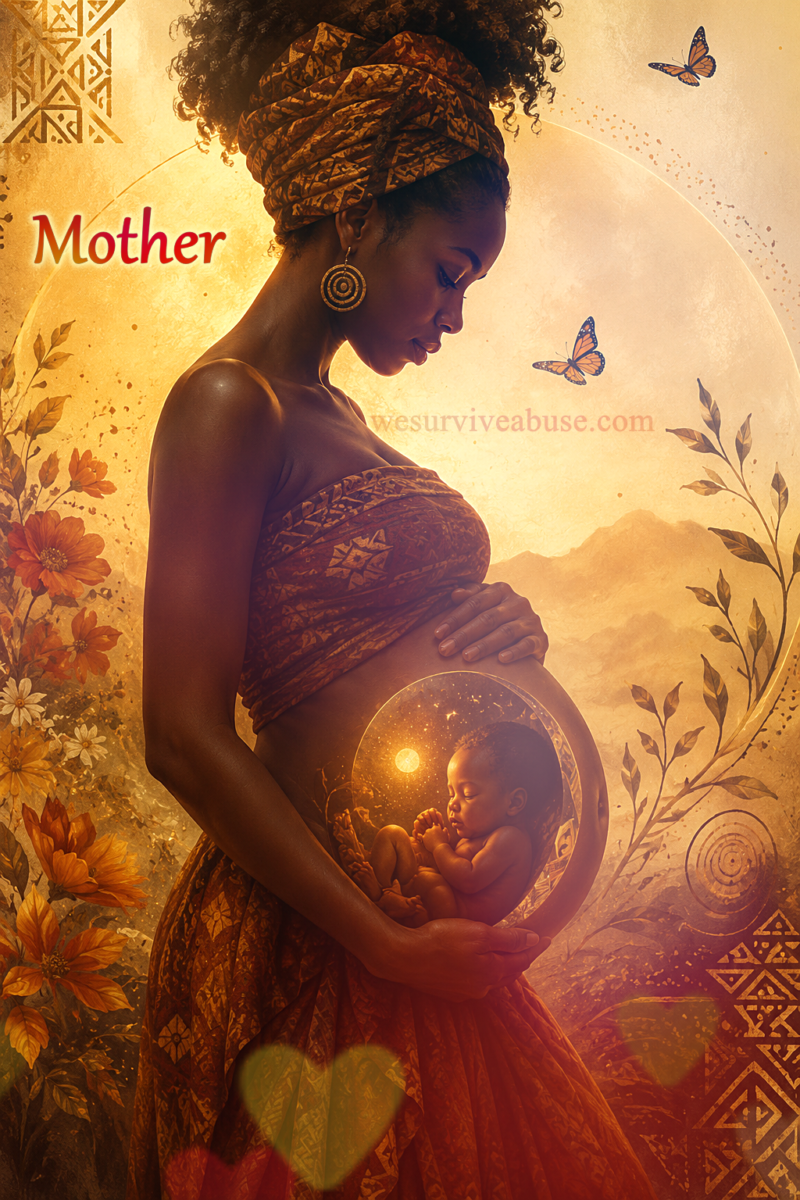
Updated from November 2025 How hard is it to just say "mothers and.....?" In 2024, Black women had a maternal mortalit
Updated from November 2025
How hard is it to just say “mothers and…..?”
In 2024, Black women had a maternal mortality rate of 44.8 deaths per 100,000 live births, significantly higher than White, Hispanic, and Asian women.
I’ve spoken on my podcast and in other spaces about how challenging it was to get medical professionals to listen to me relay to them what was happening in my body when I was pregnant with my child. We were all speaking the same language, but it sure as hell did not feel like it. The medical staff didn’t believe I was in labor because the “machine” they hooked me up to said I was not. Only when I had a big contraction and the nurse placed her hand on my stomach did she realize that I was in fact in labor. She could feel the contraction. I figured that out later, though, because she didn’t say anything to me; she went flying out of the room to catch my high-risk pregnancy specialist, who had decided that he was leaving. He believed the machine, not me.
So in truth, I had been in labor for about a couple of days. I had been calling and trying to get in but they didn’t see it as a “big deal” and had no appointments. My child’s great-grandmother got stern with us and made us go. We were told not to come back. She was not playing with us. We had additional precious cargo to be concerned about.
I was young, but I was wayyyyy more intimidated by that sweet, grandmotherly Lady than I was by the medical staff. She knew I was young, naive, and scared, but I was given orders. So, I decided that I would rather go to battle with them. And we made it.
I’m thankful for both of our survival, but had medical staff treated me like the reliable narrator that I was (it was my body), some long-term consequences may have been avoided.
There is a kind of language floating around today that sounds gentle on the surface — soft, neutral, inclusive. Words like:
“birthing people”
“people who give birth”
“the body that menstruates”

“parental carriers”
“pregnant bodies”
“we are one”
“we’re all the same”
“everyone experiences this the same way”
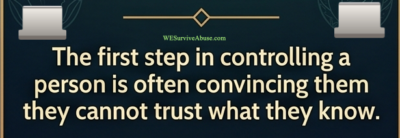
But here’s the truth:
This language may sound progressive, but it produces erasure.
And erasure produces danger.
Because when you have lived long enough, when you have been to enough appointments, when you have compared the way you were treated with the way the men around you were treated — you know exactly who loses when the language gets foggy.
I do.
Black women do.
It isn’t lost on me that discussions around the reproductive system of my female ancestors centered on labor, commerce, and experimentation. That dehumanization did not end in slavery.
Black women and other women are still facing secret forced sterilization. The Black babies that we give birth to are in danger at times too. Surely you have heard of the nurse in Virginia who broke babies’ bones while they were fighting for their lives in the NICU. The sentence she will serve is pretty short, by the way.
⭐ Diluted language hides the patterns that put us in harm’s way.
When I go to the doctor, I see the difference immediately.
The men in my family — same race, same community, same education/trade level — are treated with ease, respect, and immediate belief.
Their pain is valid.
Their symptoms are urgent.
Their questions are welcomed.
Their presence is taken seriously.
But once I walk in as a Black woman?
Until you find the right doctor, things may first become a merry-go-round of debate and unspoken tension.
My pain becomes “stress.”
My concerns become “anxiety.”
My questions become an inconvenience.
My symptoms become something to wave away.
And this is why I will not allow anyone to file me under terms like “birthing people” or “pregnant bodies.”
That language disguises the very thing I am fighting for: how Black women are treated—specifically.
As a disability advocate, I advocated hard for individual paralyzed women who were very specific about their hygiene and intimate care needs. They took matters to the top of the agencies and those agency owners told the women that they were being “difficult” and “ungrateful.” *Ms Ella called me because she did not want to stink to high heaven post wash, and they were telling me that she was being difficult.
She called me at the office. Endured the humiliation of reviewing how to properly clean female parts because the carers they sent did not think it mattered much because she was female, in her senior years, and paralyzed. She needed to vent.
Ms. Ella was concerned about hygiene, overall quality of care, and preventing female reproductive health infections that would require another cumbersome gynecological exam. She was concerned, angry, and tearful because she is human, yes. But also because she had specific human needs.
So this is not about young women exclusively. Women of all ages have specific health and safety needs
⭐ Neutral language makes accountability impossible.
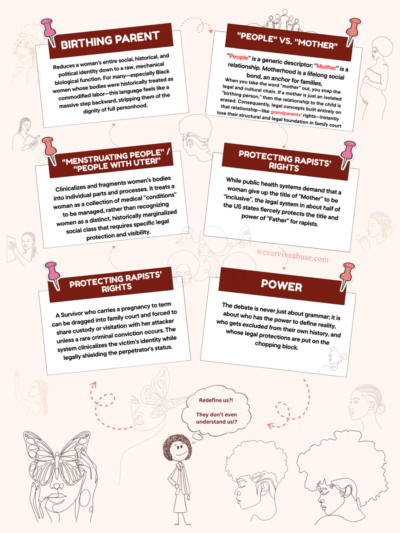 Plain language still matters. CDC data shows 45% of women held back from asking questions or sharing concerns during maternity care, and mistreatment was reported most often by Black, Hispanic, and multiracial mothers. That means language should not become another barrier to trust, clarity, or safety.
Many Women Report Mistreatment During Pregnancy and Delivery | VitalSigns | CDC
If I cannot say “woman,”or “mother” then how do I talk about:
the gendered dismissals
the racial disparities
the specific danger Black women face
the specific medications that work differently in women’s bodies or even people from various regions of the world.
the specific bias attached to our pain
the specific stereotypes projected onto Black women in healthcare
I cannot hold a system accountable if I am not allowed to name who it is harming.
Like many murdered victims, it was Emmett Till’s mother who worked tirelessly to wake the entire world up to the injustice that he was subjected to. The type of injustice that still stalks young Black boys. Mothers frequently serve as powerful advocates for their children.
Specificity is survival. Perhaps in other people’s lived experience, everything flows beautifully, works as it should, and everyone is happy to serve. That is not always MY reality, and unfortunately it has been like this since before I arrived here.
Just a few weeks ago I had to quickly get rid of a medical specialist and find another because I am absolutely certain that that doctor would’ve let me die a preventable death and thought nothing more about it. I don’t know why you would have to ask them. By this point in my life, I have learned to simply keep advancing forward and some things where I found it. My intention is to be here a little longer, so we had to part ways.
⭐ “We are one” language feels spiritual, but it silences real suffering.
I LOVE unity.
I believe in humanity.
But I have lived long enough to know that “we are one” is often used to avoid confronting the truth that:
We all do not experience danger equally.
We all do not experience health care equally.
We all do not experience belief equally.
My survival depends on being able to speak plainly.
Too many communities still have a lot of work to do around being inclusive of women-including the medical community. Too many communities still have a lot of work to do around being inclusive towards Black people—including the medical community.
⭐ Black women have the right to name our own experience.
We are not abstract beings.
We are not softened categories.
We are not “uterus owners.”
We are not “birthing units.”
We are women —
with specific risks, specific histories, specific traumas, specific bodies, specific wisdom, and specific needs.
When the language blurs us,
the world forgets us.
And when the world forgets us,
we die painful deaths at higher rates.
That is why I resist neutral language.
Not out of exclusion or an overflowing abundance of love for others —
but out of survival.
Not out of stubbornness —
but out of clarity.
Not out of division —
but out of the fierce, sacred responsibility to name what is happening to Black women so it can be stopped.
Because healing requires truth.
And truth requires naming.
And naming requires language that actually recognizes who we are.
Survivors of violence and abuse know all about the terror that comes with being specific about naming what is true. Many of us also know life can grow better for you once you do.
And truly, no woman should ever ask another woman to stay quiet about the specific realities of her pain or her health.
Language meant to include should not require women to disappear. The better standard is clarity with compassion: name women, name mothers, and make room for others without turning pregnancy into cold institutional wording.
Everyone should be who they are and that must include those who birth other human beings…..women.
How hard is it to just say “mothers and…..?”
When language erases women: “pregnant people” versus “pregnant women” | Back to Basics Birthing