
Table of Contents
Women spent generations fighting to get out of boxes. Now we’re supposed to celebrate somebody handing us a new set of instructions?
Well, hold on a minute.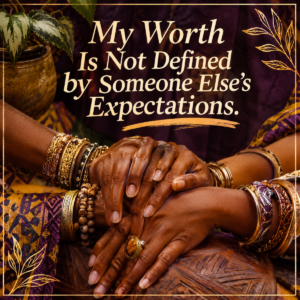
Because I remember when we were trying to teach girls that they could be anything. Wear what they wanted. Love science. Fix cars. Play football. Refuse makeup. Wear makeup. Be quiet. Be loud. Be feminine. Be nothing like anybody’s idea of feminine.
The whole point was that being female did not come with a personality assignment.
And I thought we were making some progress.
So when I hear people questioning whether certain ideas about gender identity are actually liberating, I understand why they’re asking.
Not because they hate people who are different.
Because some of us remember what we were trying to get free from.
1. We Were Supposed to Be Getting Rid of the Archaic Rules
There was a time when a girl wearing pants to school could become a disciplinary problem.
Women were told which jobs suited us, how to sit, what to wear, how to speak, and how much ambition was appropriate.
And if we didn’t cooperate? Well, there was always somebody ready to explain what a proper lady would do.
Women fought those expectations because they were restrictive and unfair. We wanted girls to understand that their interests and personalities did not determine whether they were properly female.
Now consider a girl who doesn’t like dresses, prefers boys’ clothes, and has no interest in traditional femininity.
What does that tell us about her?
Maybe absolutely nothing beyond what she likes.
She doesn’t owe anybody a deeper explanation. This is one reason some feminists question gender-identity frameworks that appear to give sex stereotypes new significance.
To be clear, not every trans identified person believes clothing or personality determines identity. Many reject those stereotypes themselves.
But the question remains worth asking.
If we fought to establish that girls don’t have to perform femininity, why would we want femininity to become a test of what makes somebody a girl?
2. Some of Us Know What It’s Like to Be Called Difficult for Asking a Reasonable Question
Let me tell you something about women who have spent their lives being expected to accommodate everybody.
Many of us learned early that keeping the peace was practically a second job.
Don’t embarrass anybody.
Don’t make people uncomfortable.
Don’t ask that question right now.
Don’t ruin the occasion.
And for women who have experienced abuse, those instructions can carry a particularly painful history.
Sometimes the question you weren’t supposed to ask was about somebody’s behavior.
Sometimes the concern you weren’t supposed to raise was about your own safety.
And sometimes you learned, much later, that your discomfort deserved more consideration than the people around you were willing to give it.
That is why I pay attention when women describe feeling pressured to remain silent about policies affecting their privacy, safety, or sex-based rights.
A woman asking how a policy works is not automatically attacking somebody.
She may simply want to understand what is being decided, who will be affected, and whether she has any choice.
Questions are not evidence of hatred. Sometimes questions are evidence that a woman has finally learned to participate in decisions affecting her own life.
3. Being Kind Is Not the Same as Agreeing
I don’t know when we started treating these two things as though they were inseparable.
You can treat somebody respectfully without sharing every belief they hold. In fact, if we all commit to doing this, there would be more peace in the world.
You can believe people deserve freedom from harassment and discrimination while questioning a particular law or institutional policy.
You can care about somebody’s dignity and still disagree about definitions.
This is ordinary life.
We do it with religion. We do it with politics. We do it with deeply held personal convictions.
Most of us have people we love whose beliefs differ from our own.
Yet in some conversations about gender identity, disagreement is interpreted as personal rejection before the question has even been heard.
That makes productive discussion awfully difficult.
Respect should govern how we treat people. It should not require us to surrender our ability to think.
A respectful disagreement is still a disagreement. And adults ought to be able to survive one.
4. Women Have Heard the Goodness Test Before
Here is where I think some women recognize something familiar.
For generations, women were expected to demonstrate goodness through sacrifice.
A good woman understood.
A good woman made room.
A good woman didn’t put her own needs first.
And if she resisted, somebody was ready to question her character.
Today, some women hear similar expectations when they raise concerns about male access to female-only facilities, sports, or services.
They are told to consider how exclusion might make somebody else feel.
That concern deserves a hearing. So does the woman’s concern about her own circumstances.
But if the conversation allows only one person’s discomfort to count, we have a problem.
A woman who has survived sexual violence may have specific reasons for wanting female-only intimate care or accommodation.
A girl competing in sports may have questions about eligibility rules and physical fairness.
Neither should have to recount a traumatic experience or demonstrate exceptional compassion before being allowed to ask.
Women do not have to earn the right to discuss their own boundaries by first proving how much they care about everybody else.
5. The Women With the Fewest Choices Often Have the Most at Stake
Think about a woman who can afford a private hospital room.
Or somebody who can leave an uncomfortable facility and find another one.
Now think about the woman who cannot.
She’s depending on a public shelter, a hospital ward, a correctional institution, or an emergency service.
She may not have the money, transportation, health, or freedom to go somewhere else.
When institutions change policies affecting intimate privacy or accommodation, she has to live with those decisions.
And sometimes she wasn’t even consulted.
That is why I believe women who depend on public and charitable services should be heard early, not after everything has already been decided.
Their concerns shouldn’t be dismissed as ignorance simply because they lack professional titles, institutional influence, or a large social media following.
The fewer choices a woman has, the more carefully institutions should consider the consequences of the choices they make for her.
6. We Need to Talk About Who Gets to Define the Words
I grew up understanding that being female was not something I had to prove through my clothing, personality, or interests.
That understanding helped women challenge discriminatory expectations.
Today, people use words such as woman, female, gender, and gender identity in different ways.
Sometimes those differences create genuine confusion. Sometimes they produce serious disagreements about law, medicine, sports, or safeguarding.
Those disagreements deserve clear explanations.
If an institution uses gender identity to determine access to a service originally organized by sex, it should be able to explain the policy and its implications.
If a medical form replaces sex-specific terminology, patients should be able to ask whether the information being collected remains medically accurate.
And if someone asks why a particular definition has changed, the answer should be more substantial than an accusation about their character.
Words help us understand our circumstances.
People should be allowed to ask what words mean, especially when those definitions affect their rights and choices.
7. A Movement Can Challenge Old Rules and Still Create New Ones
History gives us plenty of reasons to be careful about this.
Organizations sometimes begin with a sincere commitment to freedom and eventually develop strict expectations about acceptable beliefs and behavior.
That doesn’t mean every rule is oppressive.
Schools need standards. Workplaces need policies. Public institutions have responsibilities to protect people from mistreatment.
But there is a difference between rules governing how we treat one another and demands that everybody adopt the same personal convictions.
Some critics use the phrase extreme conformity because they believe certain approaches to gender identity have crossed that line.
Supporters disagree, arguing that respectful recognition of trans-identified people is a matter of equal treatment rather than ideological obedience.
Either way we can insist that institutions explain their decisions rather than treating questions as offenses.
If a belief is strong enough to guide public policy, it ought to be strong enough to withstand public questions.
8. Not Every Woman Who Says “No” Is Afraid of Something New
Sometimes she’s familiar with something old.
She’s familiar with being told to ignore her discomfort.
She’s familiar with being expected to accommodate somebody else’s preferences.
She’s familiar with people describing her boundaries as a personal failing.
And she may have spent years learning that being considerate does not require being endlessly available.
That lesson is especially important for Survivors.
A Survivor may have worked hard to rebuild confidence in her judgment. She may finally be comfortable asking questions, requesting information, or declining something she does not want.
We should not casually teach her that those habits become unacceptable whenever a subject is politically sensitive.
Of course, a personal boundary does not automatically determine every public policy. Institutions must consider the people affected, applicable law, and the practical consequences of their decisions.
But the woman still deserves a voice.
Her ability to question a decision should not disappear because somebody finds the question uncomfortable.
9. We Can Respect Difference Without Making Everybody Think Alike
I want to return to something simple.
People are different. They always have been.
Some people reject traditional expectations about masculinity and femininity. Some understand themselves through a transgender identity. Others do not share that understanding of sex and gender.
Living together requires a measure of patience and mutual respect.
It does not require us to pretend that every disagreement has been settled.
Nor should it require women to abandon questions about female-only services, sports eligibility, medical language, or safeguarding.
Those are legitimate subjects for public discussion.
The answers may differ depending on the setting. A sports competition, a hospital examination, and an ordinary social interaction do not present identical questions.
We ought to be capable of recognizing those differences.
Respecting somebody’s freedom to live differently does not mean surrendering your freedom to ask how a policy affects you.
10. Women Did Not Fight for Freedom Just to Become Afraid of Asking Questions
I keep coming back to the girls.
The girls who are watching adults argue about what makes somebody female.
The girls who are learning how to speak up.
The girls who will someday enter workplaces, relationships, hospitals, universities, and other institutions where people may have more power than they do.
What do we want them to learn?
That being a good person means agreeing before they understand?
That questioning a decision makes them unkind?
That their own discomfort should always come second?
I certainly hope not.
I want girls to learn how to listen carefully, recognize evidence, and distinguish a person’s dignity from a claim that can be questioned.
I want them to know that being fair does not require pretending every situation is identical.
And I want them to understand that they can be compassionate without becoming compliant.
Those are lessons women fought hard to make possible.
We shouldn’t lose them.
A Final Thought: You Are Allowed to Understand Before You Agree
Some of the most important questions women have ever asked were questions somebody else wished they would stop asking.
Why can’t I attend that school?
Why can’t I have that job?
Why must I dress this way?
Why is my safety being treated as less important?
Why don’t I get a say?
We recognize the importance of those questions now. But many women who asked them were considered troublesome in their own time.
That history ought to make us careful about dismissing women who question institutional decisions today.
You don’t have to dislike anybody to ask for an explanation.
You don’t have to be cruel to disagree.
And you don’t have to surrender your judgment to demonstrate that you are a decent human being.
For Survivors especially, I hope this is something worth carrying forward:
You are allowed to understand what is happening around you. You are allowed to ask who made the decision. You are allowed to consider what it means for your life.
And you are allowed to reach a conclusion that somebody else doesn’t like.
After all these years of women being told what a good woman must do, perhaps one of the most useful things we can teach the next generation is this:
A woman can be kind, thoughtful, fair, and entirely unwilling to be obedient.
And there is nothing contradictory about that.
Reflection question: When someone asks you to demonstrate kindness by setting aside your own concerns, are they inviting you to practice compassion, or asking you to stop participating in the decision?