
Table of Contents

There is a pattern.
A Survivor of abuse speaks up, and the world responds:
- “Why now?”
- “You’re just being divisive.”
- “Talking about it only makes things worse.”
- “You’re dwelling on the past—move on.”
A Black person speaks about racism, and the script is exactly the same:
- “Why bring up race? That’s what causes division.”
- “Talking about racism only makes it worse.”
- “Slavery was so long ago, let it go.”
- “You always make everything about race.”
This is not a coincidence. This is a strategy.
People who benefit from harm want the conversation to disappear—because then, they don’t have to change. The abuser doesn’t want to be held accountable. The racist doesn’t want to confront their complicity. The system doesn’t want to acknowledge the harm it has done.
So they turn to scapegoating.
- The problem isn’t the harm—it’s you for bringing it up.
- The problem isn’t the abuse—it’s you for not being quiet.
- The problem isn’t racism—it’s you for daring to say it still exists.
- The problem isn’t anti-Blackness- it’s you for saying the word “race” or Black.
And here’s the truth: This is meant to wear you down. It is meant to silence you. It is meant to drain your spirit so that you stop speaking, stop resisting, stop demanding justice.
But whether it is about abuse, harm, or racism, you do not have to strip your gears by playing along.
How to Respond, How to Survive, How to Protect Your Peace
1. Know the Playbook & Name It
When someone tries to make you the problem for speaking on harm, recognize it for what it is: a distraction and a manipulation tactic.
- “You are trying to shift the conversation away from the real issue. My speaking on racism isn’t the problem—racism is.”
- “Silencing victims and Survivors has always been the strategy of oppressors. I will not participate in that.”
Whether you say these words or not; once you see the tactic, you take back your power.
2. Do Not Waste Energy on Those Committed to Misunderstanding You
Some people don’t want to understand. They just want to provoke you, drain you, or dismiss you. Learn to recognize when someone is engaging in bad faith. You do not have to explain racism to someone who is committed to pretending it isn’t real.
- Protect your energy. Not every battle is yours to fight.
- Silence is not defeat. Some people need to be ignored, not educated.
3. Flip the “Why Now?” Question Back on Them
When people ask “Why now?” about racism or abuse, what they are really saying is “I wish you never spoke at all.” Flip it back:
- “Would you have believed me 10 years ago? Would you believe me 10 years from now? Or is silence just more comfortable for you?”
- “The real question is: Why do you think the right time for justice is never now?”
Truth makes people uncomfortable. That is not your problem.
4. Protect Your Peace—Not Everyone Deserves Access to You
You do not have to engage with every person who minimizes your experience. You do not have to educate every person who is willfully ignorant. You do not have to prove racism exists to people who choose blindness.
Your energy is sacred.
- Block, mute, and disengage freely.
- Guard your mental health like your life depends on it—because it does.
- Give your time to those who are willing to listen, learn, and grow.
5. Build & Pour into the Spaces Where You Are Heard
Oppressors and abusers want isolation. They want you to feel alone in your truth, doubting yoursel
f. You are not alone. Find community, build spaces of healing, and pour your energy into those who value your voice.
- Speak where you are safe.
- Share where you are respected.
- Heal where you are understood.
6. Remember: Silence Has Never Saved Us
History teaches us that silence only benefits those in power. If silence could end oppression, it would have already disappeared. We speak because we must.
To those who say:
- “Talking about racism makes it worse.” → No, racism makes it worse.
- “You should just move on.” → The harm still exists, so the conversation still exists.
- “Bringing up race is divisive.” → Ignoring harm does not create unity—it creates impunity.
We speak not because it is comfortable but because our survival, our dignity, and our future demand it.
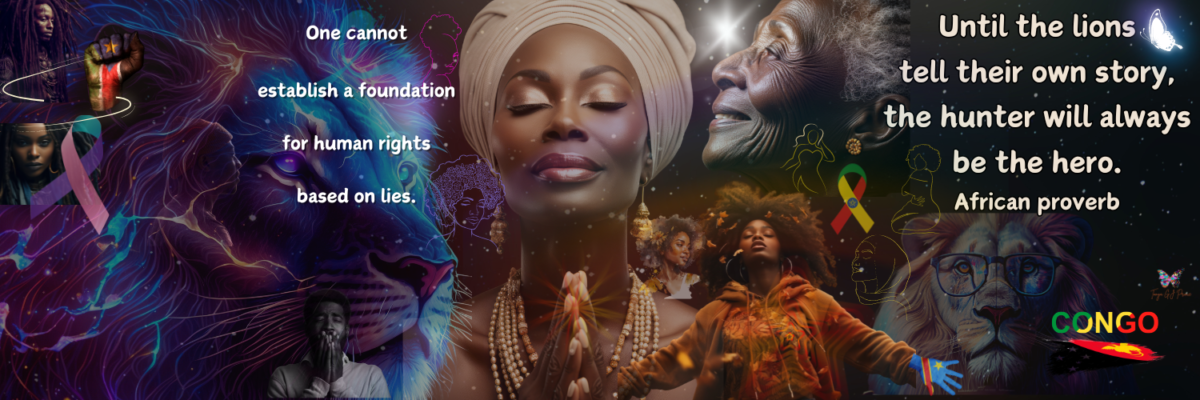
Final Word: You Are Not the Problem
Whether you are a Survivor of abuse or a Black person naming racism, remember: speaking your truth is not the harm.
- The people who harmed you are the harm.
- The systems that uphold oppression are the harm.
- The culture that protects abusers and racists is the harm.
Do not let others benefitting from harm rewrite reality. Do not let others make you the scapegoat. Do not let others steal your voice.
You have every right to speak, to heal, to demand justice.
And no one—not an abuser, not a racist, not an oppressor, not a perpetual and unapologetic harmer —can take that from you.