Table of Contents
“When a woman goes hungry, more than her body suffers — her dignity, her power, her future are all at risk. Food justice is more than feeding; it’s freeing.”
Women around the globe are fighting for their lives — literally and spiritually.
In some parts of the world, women are fighting to feed their families.
In others, they’re fighting for safety, jobs, job training/school, fair pay, and the right to exist without fear.
And yet… too often, the loudest “debates” we see, hear, or witness in feminist spaces are about a woman’s last name, hair texture, or how she chooses love, or to live her truth.
Let’s be real.
That’s not liberation — that’s surveillance dressed up as sisterhood.
There’s this thing that happens, especially to Black women, where some believe they are fighting for women when they are actually policing women.
But control is not care.
And shaming is not solidarity.
Every time we turn our focus to judging women instead of protecting them, we move further from freedom.
Real advocacy asks harder questions — about systems, violence, hunger, housing, safety, and justice.
Real sisterhood makes space for difference, for choice, for the right to define womanhood on our own terms as female human beings navigating this life.
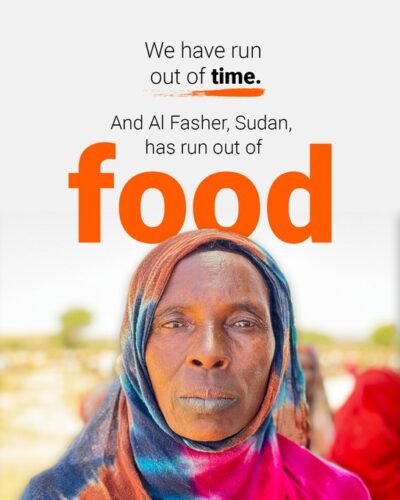
Because the world doesn’t need another campaign to “fix” Black women.
It needs more courage to stand beside them.
-
Rising Backlash Against Women’s Rights
Global data show that in about 1 in 4 countries, women’s rights are facing severe regression. girlsglobe.org+2The Week+2-
Why it matters: Hard-won legal protections, social gains and institutional frameworks are being rolled back, which threatens everything from gender-based violence prevention to economic equality.
-
How activists can respond: Raise awareness locally about policies that erode rights; build alliances with other social justice movements; insist on accountability from elected officials and institutions.
-
Example message: “When women’s rights roll backward, society as a whole loses ground. We must refuse normalizing regression.”
-
2. Gender-Based Violence in Conflict and Displacement Zones
Across the world — from Sudan to Gaza, from Haiti to Congo — women and girls are being targeted in conflict, displacement, and humanitarian crises.
Sexual violence, forced marriage, and trafficking rise sharply when societies collapse, yet Survivors are often silenced or neglected once the headlines fade.
-
-
-
Why it matters:
Gender-based violence during conflict is not random — it is strategic. It’s used to destroy communities, control populations, and punish women for existing outside male control. Yet, response programs remain critically underfunded and underreported. -
How activists can respond:
-
Amplify the voices of women-led peacebuilders and Survivors from conflict zones.

-
Advocate for trauma-informed care in humanitarian aid.
-
Call for accountability — justice cannot wait until after peace talks-especially in those places that are less talked about.
-
-
Example message:
“War zones expose the truth: when systems fall apart, women’s bodies become the first battlegrounds. Peace without justice for Survivors is not peace at all.”
-
-
-
Violence and Impunity Against Women & Girls in High-Risk Contexts
A case in point: the memoir of Virginia Giuffre reveals systemic abuse backed by impunity. The Guardian-
Why it matters: Violence isn’t just isolated incidents; many systems protect abusers. That undermines trust, healing, and accountability.
-
How activists can respond: Push for Survivor-centered support services, demand transparent investigation processes, advocate media narratives that center Survivors not perpetrators.
-
Example message: “Justice delayed is trauma multiplied — we must center the Survivor’s voice, not the shield of the powerful.”
-
4. Women’s Economic Inequality and Global Care Exploitation
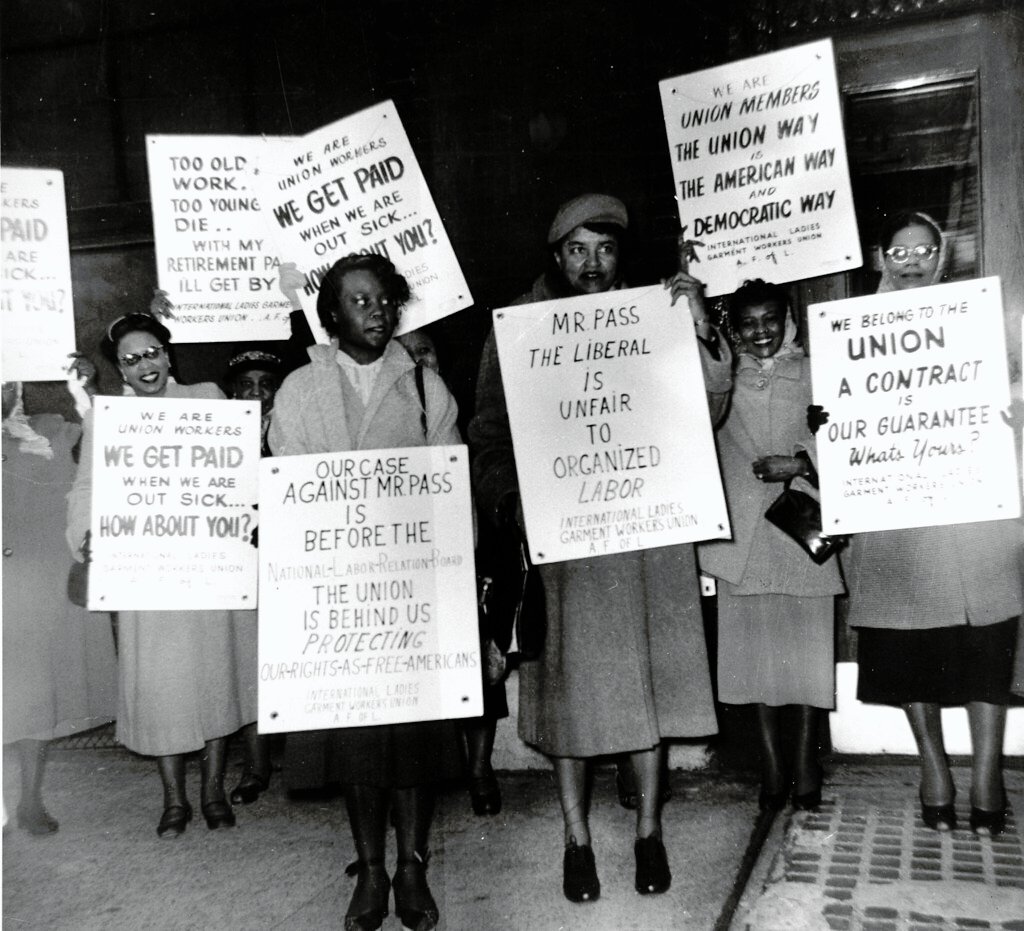
African American women picket for unionization
All over the world, women keep nations running — yet they remain the most underpaid, overworked, and economically excluded.
From domestic workers in the Global South to caregivers in wealthy nations, women form the backbone of the global care economy — and the least of them are often Black, brown, or migrant women.
-
-
-
Why it matters:
The global economy still depends on women’s unpaid or underpaid labor — childcare, eldercare, health work, education, emotional support. When crises hit (pandemics, wars, inflation), women’s work expands while their pay and protection shrink.
This isn’t just unfair — it’s unsustainable. A world built on women’s exhaustion cannot call itself advanced. -
How activists can respond:
-
Advocate for living wages, labor protections, and safe conditions for domestic and care workers.
-
Promote financial literacy, entrepreneurship, and inheritance rights for women.
-
Push policymakers to value care work as real work — with pensions, benefits, and dignity.
-
Center Black and Indigenous women’s voices in global economic justice conversations.
-
-
Example message:
“The world runs on women’s unpaid labor. Every hour of care that goes unseen is a form of economic theft. Pay women what they are worth — and watch nations rise.”
-
-
-
Digital & Tech-Embedded Threats to Women’s Safety
There are growing concerns about women’s rights in the digital sphere: online harassment, civic shutdowns, digital divides. United Nations+1-
Why it matters: Technology should empower women, but in many cases it is being weaponized against them (surveillance, online violence, exclusion).
-
How activists can respond: Raise digital literacy, advocate for tech with protections for women, build safe online spaces, highlight tech-policy that threatens women’s autonomy.
-
Example message: “Access to technology is a right—not a privilege—but that access must be safe, inclusive, and accountable.”
-
-
Under-funding of Women-Led Organizations and Essential Services
While the story is older, the ongoing trend is still relevant: women’s aid organizations remain vulnerable. Reuters-
Why it matters: Without resources, the frontline organizations supporting survivors, delivering services, and mobilizing change cannot stay afloat.

-
How activists can respond: Advocate for funding accountability; highlight how investing in women-led organizations curbs violence and builds community resilience; mobilize local fundraising or partnerships.
-
Example message: “When women’s voices lead, communities heal. Funding them is not optional—it’s essential.”
-
-
Food insecurity is a major concern, especially when viewed through the lens of women’s rights and global justice. Here are some key points, plus how activists can speak to this issue with your Afro-global, woman-centered voice.
🌍 Why food insecurity matters for women
-
Globally, women experience higher rates of moderate or severe food insecurity than men: in 2024 women faced ~26.1 % vs men ~24.2 %. UN Women Knowledge portal+2Womens Earth Alliance+2
-
Women often have less access than men to land, resources, decision-making, agricultural training and nutrition — which makes food insecurity also a gender-inequality issue. FAOHome+1
-
Nutrition insecurity (poor diet, lack of dietary diversity, anemia) hits women and girls harder. That has ripple effects on health, education, economic opportunity and even the next generation. World Vision+1
-
Food insecurity is tied to other crisis-drivers: conflict, climate change, economic shocks. These affect communities where women are often among the most vulnerable. Reuters+1
✊ What women’s rights activists can say & do
-
Message framing: “Food justice is women’s justice.” Make the link clear: When women are hungry or insecure, whole communities are unstable.
-
Action-oriented:
-
Advocate for gender-responsive food systems: land rights for women farmers, access to nutrition, resources for female-led agri-businesses.
-
Support policies that protect women’s economic safety (because food security often depends on income, access & power).
-
Highlight that ensuring women’s access to safe, nutritious food is part of preventing violence: hunger increases stress, vulnerability, fewer choices.
-
-
Solidarity emphasis: Connect local and global: food insecurity isn’t just “over there” — it affects a diverse group of women, single-mothers, students, etc…..and marginalized communities in many societies including the U.S.
-