In my early 30's I realized that I had three female conditions brewing inside me. And they had been there for a long time. In spite of me getting
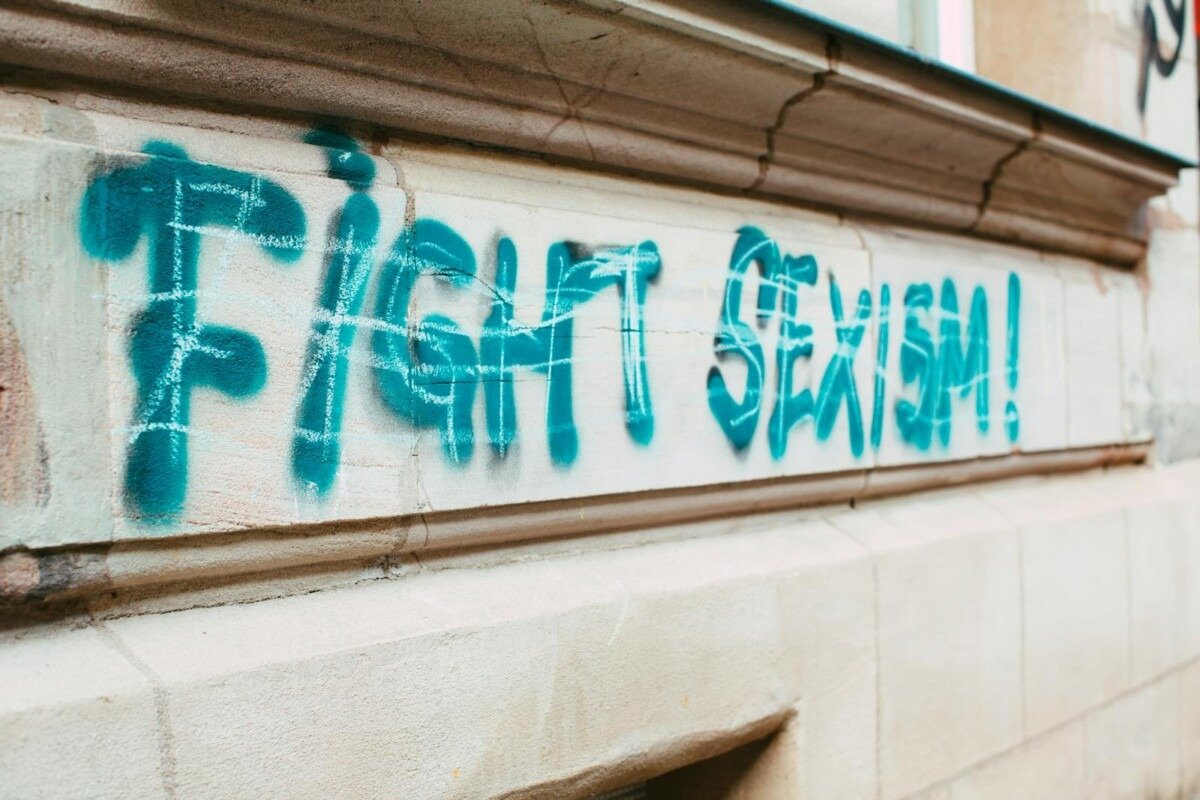
Photo by Markus Spiske
In my early 30’s I realized that I had three female conditions brewing inside me. And they had been there for a long time. In spite of me getting regular and routine pap smears for awhile, since giving birth in my mid twenties, and continuing on….not one of the conditions was caught.
Doctors seemed focused on prescribing surgeries and medications but not notify me that I had conditions that too many other women suffer from. So I missed out on making changes that may have helped me in my 20s. That could have been life-changing. Same thing for some of my circle friends too.
That’s a common theme in this life. Women’s health, women’s safety, women’s well-being is frequently an afterthought that people will get to …..later. Later never comes.
You ever noticed that there’s a push to get women to fight alongside men who identify as trans women to fight together because some women have been called a man as an insult.
The logic is that both groups are being attacked through gendered language meant to reduce, control, or silence them. Therefore, rather than fighting separately, they believe women and people who identify as trans women should “stand together” against what some consider being mislabeled.
The argument is since those who identify as trans women are often called “men” in order to deny their identity, and some biological women (especially outspoken feminists or women in male-dominated spaces) are also derisively called “men” to allegedly strip them of femininity, the two groups should see themselves as facing a “shared insult.”
So, the idea is that if both groups are targeted with the same slur or insult, then both are in the same struggle against patriarchal policing of identity.
Many women point out that being biologically female and called a “man” as an insult is not at all the same as identifying as male or being biologically male. Because, call us what you want, we still carry on with women duties, responsibilities, expectations, vulnerabilities, and bodies that work like women’s bodies do. No matter how they are shaped, with makeup or without, pleasing to others or not….these bodies require a lot of care and attention.
Sometimes the doctor’s staff explains to you what you are getting done. Sometimes you explain to the staff what you are getting done, and assist them in learning how to pronounce a new word for the day. Seriously. (Now if they stop putting medical educational content online I’m not sure how much longer we can go as a civilization)
I saw a woman today in a video who looked nothing like me—but she sounded exactly like me. She was busy, didn’t even know what day it was, dressed in hiking boots and comfortable clothes. The kind of outfit you throw on when you park the car and get things done.
And here’s the truth: people can call you a man all they want, but you still have to show up for the realities of womanhood. You still need your annual mammogram, your pap smear, ongoing reproductive health checks—whether you’re sexually active or not. You still have to stay well-read, ask questions, and hunt down answers about this body that remains, too often, treated like a mystery.
Meanwhile, all of this touches every part of your life:
your mood swings,
your weight,
your energy,
your hair and skin,
your cycles of pain,
your headaches.
And while you’re managing all that, the world—including coworkers—feels entitled to critique it all.
On top of that, you may need three different clothing sizes just to have options that fit, and that’s only if you’re lucky enough to have decent insurance and a job that doesn’t punish you for taking time off to get treatment.
This is the loop we live in—over and over, through different stages of life, with varying levels of intensity and unpredictability.
So, when someone calls a woman “a man,” it’s annoying, it’s ignorant, it’s rude—but it isn’t top shelf. It doesn’t change who we are, because we are still living the lifelong, undeniable realities of being women.
Throughout history, groups have reclaimed insults to strengthen solidarity—but always within their own lived reality.
- Black people reclaimed the N-word, (not embraced by all circles, especially older circles)
- Some disabled activists have reclaimed words like “crip” and other words
- Some LGBTQ communities reframed “queer.” (still in progress and still not confirmed amongst everyone)
The purpose of that bonding was survival, dignity, and the transformation of shame into strength.
When different groups are encouraged to merge identities simply because they are called the same slur, it overlooks the fact that the insult carries different meanings, impacts, and histories. Solidarity is powerful, but it is built on shared humanity, values, and struggle—not on being mislabeled by outsiders.
And often because being called certain slurs historically led to danger, as it did with the “N-word” or “queer”. Women would be more apt to organize around the “b word” because historically that is the last word that women heard before they were murdered. Not, “you look like a man”.
If you were to take these insults and use them against people who aren’t in these groups, they would not be likely to stick and stay in groups where they do not share lived experience either. It would not be hate. It just wouldn’t be authentic. It wouldn’t be truth. Truth must be the adhesive.
These were not bonds between different groups, but acts of self-definition within one community’s shared struggle.
💡 The pattern:
A dominant group uses a label to diminish or erase.
The targeted group sometimes flips the insult into a bonding point or a badge of resistance.
- The people who were targeted with the insult are the ones deciding to reclaim and organize around it.
Women have always found strength in coalescing around our lived experiences, pressing forward even when the world preferred we stay silent. Yet our work is not finished. We still need greater focus on medical advancements that address our bodies, protections that center child safety, and the basic guarantee of our own safety in every space we enter.
Too often, society responds not with solutions, but with demands for more of our labor—without listening to what we need to carry our lives and responsibilities with dignity and safety.
The next chapter of our collective struggle must insist that our well-being is not an afterthought, but the foundation of any true progress.