
Enough! Enough rushing to protect your favorite men. Isn't that how we got here? There is a new trend here in the West and I hope it does not catch o
Enough! Enough rushing to protect your favorite men. Isn’t that how we got here?
There is a new trend here in the West and I hope it does not catch on because it is potentially harmful to victims and Survivors.
There is a reflex that shows up every time harm is named.
“Not this person.”
“It wasn’t them.”
“See they weren’t there.”
The reflex and behavior has colonial mold on it but the phrase is new.
That reflex does not protect truth.
It protects comfort.
Harm is not a rare defect found in a special class of people.
Harm is behavior.
Harm is choice.
Harm happens when someone believes they will be protected, excused, minimized, or believed over another human being.
Especially over a child.
When people rush to defend a name, a role, a movement, or an ideology, the conversation quietly shifts. We stop talking about safety. We start talking about allegiance.
And allegiance has never kept children safe.
Capability Is Not an Accusation
Acknowledging that all humans are capable of harm does not accuse everyone.
It grounds us in reality.
It keeps us watching patterns instead of personalities.
It teaches us to assess conduct, not charisma.
It reminds us that impact matters more than intent.
It keeps evidence centered instead of image.
Safety depends on this clarity.
When someone says, “Not this person,” what they are often saying is:
- I need this to be impossible.
- I need my world to stay intact.
- I need my trust to remain uncomplicated.
But children do not live in uncomplicated worlds.
Survivors did not survive uncomplicated realities.
Truth Does Not Need Bodyguards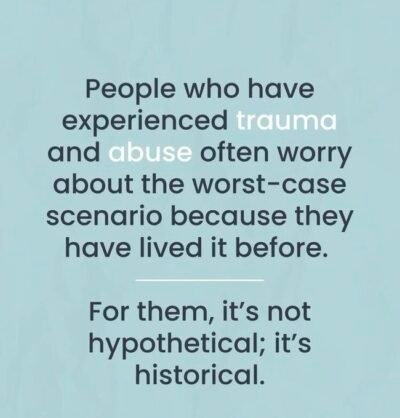
If harm did not occur, the facts will hold.
(Especially when we work together to create systems, spaces, and institutions that make it so.)
Truth does not need emotional bodyguards.
Truth does not need people pre-cleared as incapable.
Truth does not need reputational shields deployed in advance.
What does cause harm is deciding innocence before listening.
What does endanger children is creating people who are untouchable.
What does cause harm is consistently going silent when people do choose harmful behaviors
What does spread harm is slow response, getting stuck in shock, hiding harm, and no response at all.
Untouchables are where harm hides longest.
What Protection Actually Sounds Like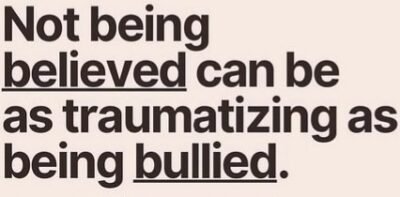
A protective culture does not rush to judgment.
But it also does not rush to defense.
It says:
- We will look.
- We will listen.
- We will examine behavior.
We will not pre-decide based on who someone is, what they represent, or what it would cost us to know the truth.
This is not cynicism.
This is responsibility.
This is how prevention works.
Lines to Remember
Harm is behavior, not a personality type.
Safety collapses when allegiance replaces accountability.
Children do not need reputations protected. They need truth protected.
Untouchables are where harm survives.
Goodness is not a permanent identity. It is a daily practice.
When we stop worshipping people, we make room to protect lives.
That shift matters.
That shift saves.