Tonya GJ Prince and her organization, WE Survive Abuse, have been featured in several notable publications and media outlets, reflecting her role as a prominent expert in survivor-centered advocacy and trauma healing.
Major Publications & Features
YES! Magazine: Prince was recently featured (April 2024) in an in-depth article titled “How to Bury Your Abusive Husband and the Laws That Shielded Him.” In this piece, she provides expert commentary as a domestic violence court advocate, sharing powerful anecdotes about the challenges survivors face in the legal system and the importance of valuing survivor testimony.
Goodreads & Literary Platforms: As an author, her work is widely cataloged and reviewed on platforms like Goodreads. Her books, including “Speak, and End Child Sexual Abuse” and “Growing Smiles,” are cited as foundational resources for child safety and abuse prevention.
Academic & Professional Citations: Her work and the “WE Survive Abuse” model are often referenced in social work and advocacy research. For instance, her perspectives on survivor-defined practice and empowerment-based advocacy align with studies published in journals, where the effectiveness of the “advocate-survivor alliance” is explored.
Global Advocacy: The article highlighted how domestic violence and abuse are global issues that require the kind of digital, accessible resources Prince created with
wesurviveabuse.com.The Power of Storytelling: It explored her philosophy that survivors “de-silencing” themselves is a primary step toward healing.
Intersectional Perspective: HuffPost Germany noted her focus on the specific cultural experiences of Black survivors, which was framed as an essential but often overlooked component in mainstream European advocacy discussions at the time.
Tonya GJ Prince and WE Survive Abuse were featured in Huffington Post Germany (HuffPost Deutschland).
The feature was particularly significant because it introduced her work to a European audience, focusing on her unique intersectional approach to trauma.
While HuffPost Deutschland ceased its independent operations in 2019, the feature remains a documented part of her professional history, marking her transition from a local advocate to an internationally recognized exper
Book Contributions
- “Empowering Black Boys to Challenge Rape Culture“ by Gordon Braxton, published by Oxford University Press in 2022. Her contribution is relevant to her work with WE Survive Abuse, as the book focuses on dismantling harmful stereotypes and educating young Black men and boys about sexual ethics, consent, and supporting survivors.
The Subject Matter: Gordon Braxton’s book addresses the “Myth of the Black Rapist,” the influence of media on Black manhood, and the specific ways sexual violence impacts the Black community.
- “How to Be Happy (Even When You’re Not)” (sometimes associated with the title How to Be Happy Though Married or similar variations in anthologies). In this context, Tonya GJ Prince provided a survivor-centric perspective on reclaiming joy and mental well-being after trauma
- “Sexual Violence on Campus: Strategies for Prevention”, which was published as part of the Prevention and Intervention series. Her contribution was specifically focused on “The Voice of the Survivor”, providing a critical perspective on how campus administrations and student bodies can better support those who have experienced sexual assault through her work facilitating support groups and healing circles for young Black college students.
Focus on Survivor Agency: She emphasized the importance of centering the Survivor’s needs and voice in the aftermath of violence, rather than prioritizing institutional reputation or rigid bureaucratic processes.
Intersectionality: Consistent with her broader work, Prince highlighted how racial and cultural identities impact a survivor’s willingness to report and their experience of recovery within a university setting.
Practical Advocacy: The book serves as a resource for campus professionals, and Prince’s insights provided a “human-first” framework for developing trauma-informed response teams.
Digital & Multimedia Presence
Beyond traditional print, Prince has built a significant footprint through:
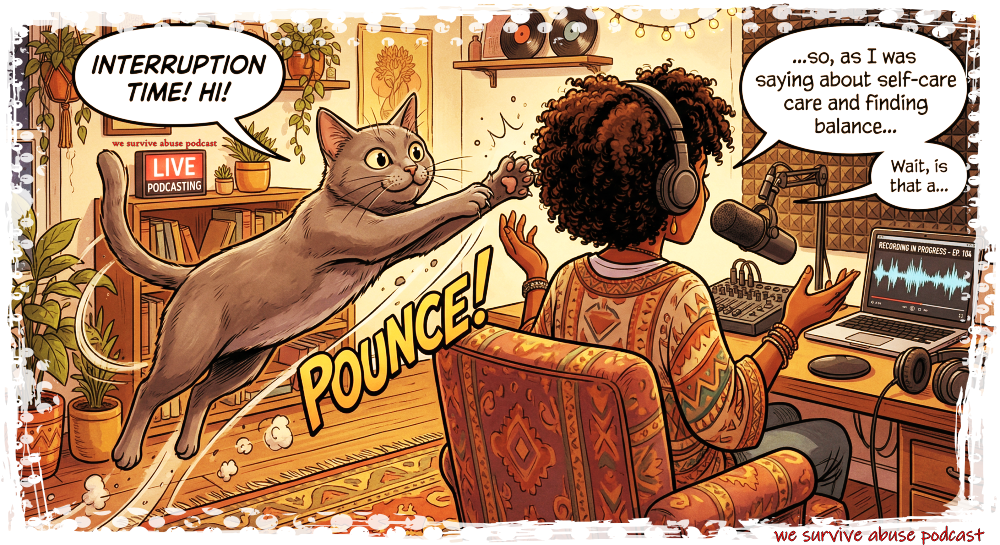
The WE Survive Abuse Podcast: This platform is widely distributed on major networks like Spotify and Google Podcasts. It serves as a digital archive for survivor stories, focusing on “de-silencing” and somatic healing.

Survivor-Focused Networks: She is recognized for founding a suite of digital resources, including SurvivorAffirmations.com and the not-for-profit Braid the Ladder, which have been highlighted by community leaders for their unique focus on cross-cultural empathy and storytelling.
Her media presence is consistently defined by her “healing recipe,” which blends faith, Black culture, womanism, and somatic practices to address trauma at its intersections.