
Domestic violence advocates have been here before. For decades, advocates fought a very specific lie.Not loudly at first.But relentless
Domestic violence advocates have been here before.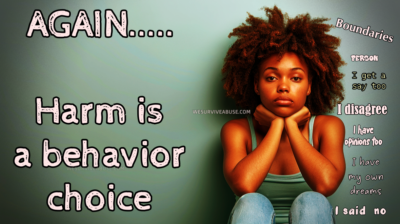
For decades, advocates fought a very specific lie.
Not loudly at first.
But relentlessly.
The lie sounded like this:
He’s a good father.
He’s a provider.
He’s a minister.
He goes to church every Sunday.
The neighbors say he’s a family man.
He’s respected at work.
He’s calm.
He’s white.
So… not this person.
Advocates had to teach courts, congregations, journalists, and communities something uncomfortable but necessary:
Harm is behavior and choice, not a personality or résumé.
The man who causes harm does not stop being capable of harm because he has a title, bank account, a reputation, a family photo, or a testimony.
Women were working on confronting these lies since long before I was conceived (gratitude and appreciation) and we are still dealing with it.
People are still in the habit of upholding harm-doers over victims, Survivors and vulnerable persons. To this very day.
Reputation Has Always Been the Shield
This is not a new battle.
It is the same one, dressed in updated language.
For years, domestic violence advocates fought against the idea that certain men -especially certain men-were too respectable to be violent. Too familiar. Too useful. Too admired.
The “Not this person” reflex is simply reputation management by another name.
It asks us to weigh optics instead of evidence.
It asks us to prioritize social stability over safety.
It asks us to trust image over impact.
And it always shows up when harm threatens something people want to preserve.
It is a pop up window. A pop up window to protect the people folks see as “people”.
Media Has Told Us This Story Out Loud
This double standard has been named plainly in culture.
One of the clearest articulations came from Chris Rock, who famously pointed out how media language shifts depending on who commits violence.
When white men kill their entire families, headlines search for explanations:
He was troubled.
He snapped.
He was under stress.
When others commit violence, the language hardens immediately:
Thug.
Criminal.
Monster.
More recently, Zack Fox famously noted:
(that’s iconic. classic. and brilliant.)

The contrast exposes the same mechanism at work:
Protect the image.
Soften the narrative.
Preserve the category of “good man.”
That framing doesn’t reduce harm.
It hides it.
Note that Black men call this out.
Advocates Know Where This Leads
Domestic violence advocates know what happens when reputation outranks accountability.
Victims are doubted.
Patterns are ignored.
Warning signs are minimized.
Access to vulnerable persons is maintained.
And harm escalates.
This is why advocates have always pushed back against “But he seems like such a good guy.”
Because seeming safe and being safe are not the same thing.
Because church attendance does not cancel behavior.
Because fatherhood does not erase violence.
Because provision does not equal protection.
This Is the Same Fight
When people say “not this person,” they are not being neutral.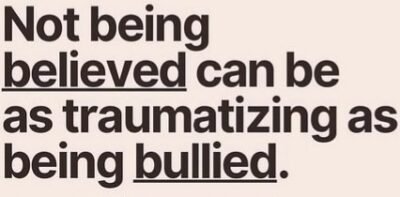
They are continuing a long-standing defense of image over truth.
It is the same fight advocates waged in courtrooms.
In shelters.
In churches.
In newsrooms.
And yes, we are still fighting it.
Not because we want to believe the worst.
But because we have learned what happens when we refuse to believe the evidence in front of us.
Lines That Hold the Truth
Reputation has always been the first shield for harm.
Respectability does not prevent violence. It often conceals it.
Harm is behavior and choice, not a personality type.
“Not this person” delays protection and multiplies damage.
We’ve seen this pattern before. And we know how it ends.
Naming this is not divisive.
It is informed.
Domestic violence advocates did not imagine this pattern.
They mapped it through lives lost, warnings ignored, and truths buried under good reputations.
Refusing reputation management is not radical.
It is learned wisdom.