There are men who speak to women with deep disrespect — regularly. And we rarely show it honestly. Some folks will get offended if you joke about we
There are men who speak to women with deep disrespect — regularly.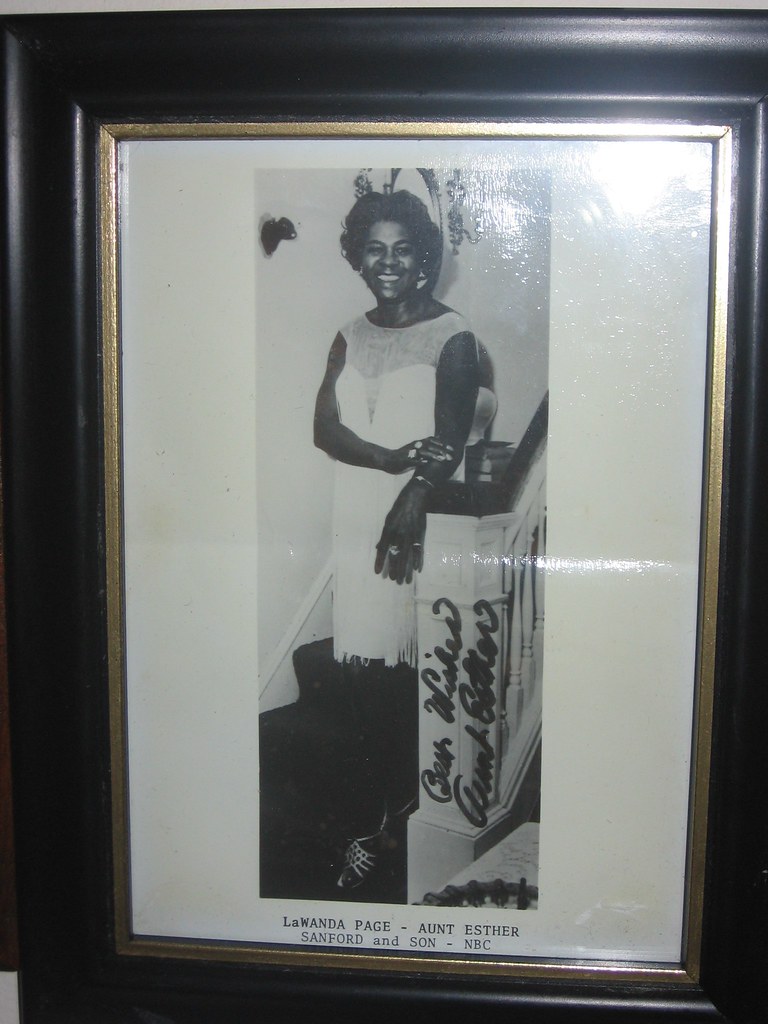
And we rarely show it honestly.
Some folks will get offended if you joke about weight or relationships…
but won’t blink when men:
belittle women in public
talk down to us like children
mock our bodies
threaten, undermine, or verbally bully us
- coerce us into submission or forced “kindness” (smile)
We avoid saying it out loud because:
we don’t want to seem bitter
we don’t want to “start something”
we don’t want to look like we can’t take a joke
we don’t want to be labeled difficult, nagging, dramatic, or “too sensitive”
Be accused of “making a scene”. Oh the horror. Everyone will slam her behavior and forget all about what he did wrong in the first place. An age old pattern.
And then shame slips in.
We start asking ourselves:
“Maybe it was just me.”
“Maybe I overreacted.”
“Maybe I should have laughed along.”
So instead of naming disrespect…
we swallow it.
We smile through it.
We joke with it.
We act like it didn’t sting.
And that silence costs us.
Pam and Aunt Esther didn’t ignore disrespect.
They met it.
Named it.
Clapped back.
Held the line.
Was it always perfect? No.
But it was survival.
They refused to disappear to make someone else comfortable. They said what many of us weren’t allowed to say — or were punished for saying. And that has not stopped anywhere on this planet.
In real life it would be too exhausting to respond to every offensive statement the way those characters do, but there is something cathartic about the opportunity to laugh at a character brilliantly played by Tichina Arnold and Lawanda Page, who does.
For the women reading this:
You don’t have to pretend disrespect is harmless.
You don’t have to carry shame because someone spoke to you like you are less.
You are not “too sensitive” for wanting dignity.
You are not wrong for saying:
“That tone is not okay.”
“Don’t talk to me like that.”
“I deserve respect in this conversation.”
Naming reality is not bitterness.
It’s clarity.
And clarity is part of healing.
We can still want healthier, kinder worlds.
We can still teach better communication.
But we honor truth first.
Many of us lived through roughness that shaped our instincts — and we survived it. Now we get to build something gentler without pretending the past was soft.
We tell the truth so the next generation understands what we came through — and so no woman feels ashamed for noticing when someone’s words wound.
Because your voice matters.
Your boundaries matter.
Your memory matters.
And we’re not avoiding it anymore. Choosing not to televise it will not make it better because that actually further isolates.