Black women have always been expected to endure harm quietly, yet blamed when we finally speak it plainly. The updates around Megan Thee Stallion remi
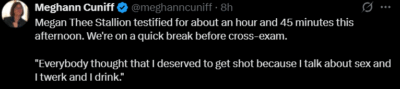
Black women have always been expected to endure harm quietly, yet blamed when we finally speak it plainly. The updates around Megan Thee Stallion remind us why naming the harm matters so much for us: because the harm finds us, hunts us, and tries to silence us first. When we tell the truth about what we’ve seen, felt, and survived, we are not stirring trouble—we are documenting reality.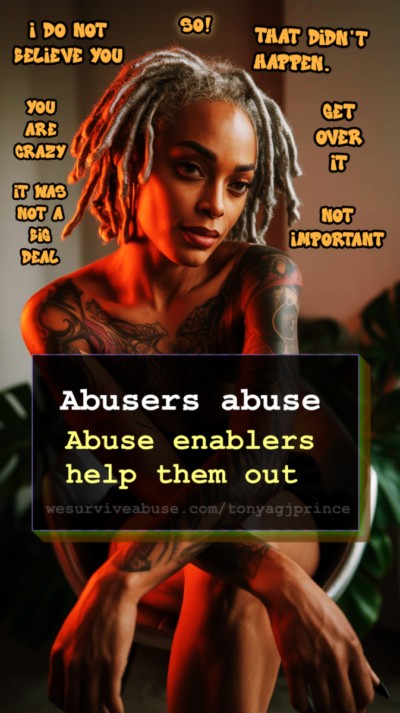
And every time a Black woman stands firm in her truth, she widens the path for another Sister to step forward with clarity, dignity, and the power to protect herself.
We are learning from one another. There are still bloggers and other creators treating violence and abuse like “entertainment”.
BUT, still others are getting a more people to understand how the reality that women who stand up for themselves live through each and every day.
1. The period after separation — even if the abuser is incarcerated — can be one of the most dangerous. In many domestic-violence-related homicides, stalking is a precursor. BWSS+1
2. Many support systems and legal protections (like restraining orders) focus on preventing in-person contact — but stalking doesn’t have to be in person. Letters, calls, monitoring, intimidation, or coercion through third parties can still happen.
3. Nearly 40% of stalking victims are stalked by a current or former intimate partner. Stalking Awareness
4. Among people stalked by a former intimate partner, a large share report previous violence or coercive control. Stalking Awareness+1
5. Stalking is widely recognized as a form of intimate-partner violence or post-separation abuse, not a separate or lesser matter. NNEDV+1
The use of intermediaries — people outside the primary relationship — doesn’t cancel the threat or the intent behind the harassment. The goal remains the same: control, fear, intimidation, or coercion.
The ‘law’ is not stupid. It sees this. (Though we do need more legislation)
6. In some definitions, stalking includes “a malicious course of conduct” that causes fear of harm, even if the conduct is not directly from the original abuser but facilitated through others. WomensLaw.org+2Kush Arora Attorney At Law+2
7. Some stalking laws cover “proxy stalking” (also sometimes termed “third-party stalking” or “multiple-perpetrator stalking”) — where outsiders are recruited or coerced to monitor, harass, or intimidate the victim, on behalf of the abuser. JBWS+1
Understand that “out of sight” does not always mean “safe.” Just because someone is incarcerated doesn’t automatically mean the danger or risk for stalking and control ends.
Safety planning remains crucial even while the abuser is locked up — including limits on communication, documenting attempts at contact, alerting authorities or advocates, legally dealing with any known collaborators, and using any protective orders to full effect.
Support — from trusted friends/family, community resources, or specialized advocates — remains important. Stalking and coercive control are serious and valid threats to safety, even (or especially) post-separation or post-arrest.
Because this is such a layered and often invisible form of abuse, it’s easy to doubt yourself. Trust what your body and instincts are telling you.
You must ignore outside assessments of whether or not you are a “good victim”. The scale is broken and busted anyway. Only a rare few “qualify.” If you need support by all means find a therapist, healing circle, healer, or helper to help you stand strong just in understanding that you DESERVE empathy, compassion, and protection. Period.
⚠️ Warning Signs of Third-Party / Proxy Stalking
These are behaviors that suggest someone on the outside may be acting on behalf of an abuser — especially one who’s incarcerated or otherwise unable to contact you directly.
Behavioral Red Flags
People you barely know suddenly take an interest in your life
Someone repeats details about you that you never told them
A person keeps “checking up” on you under the guise of concern
Friends, relatives, or acquaintances are pressured to give information about you
Someone asks questions about where you live, work, or who you’re seeing
You notice strangers observing, following, or photographing you
Someone tries to pass messages from the abuser — “He said…,” “He wants you to know…”
Gifts, letters, or items show up unexpectedly, even though you changed addresses or blocked contact
Social media accounts you don’t recognize begin monitoring your posts, stories, or check-ins
People repeat phrases or threats that only the abuser used
Someone tries to guilt-trip you into reconnecting with the abuser
A person defends, excuses, or romanticizes the abuser’s behavior, despite having little connection to the situation
Messages arrive through multiple routes once you block one
Someone mentions your schedule, private routines, or whereabouts you never shared
🔍 Psychological Red Flags
Notice these internal cues — they are information:
You feel watched even when you’re alone
You start shrinking your world to avoid being found
Conversations leave you confused, anxious, or unsettled
You feel as if someone else is steering your emotions or decisions
People show up where you are without a reasonable explanation
Your intuition is not random. It’s data your body collected before your mind made sense of it.
📝 Questions to Ask Yourself
These help determine whether it’s time to document, seek support, or contact authorities.
Answer gently. No judgment.
1. Pattern Awareness
Has this happened more than once?
Do multiple people seem involved, even loosely?
If yes: start documenting dates, names, screenshots, messages, and locations.
2. Intent and Impact
Do these actions feel like pressure, tracking, or intimidation?
Does the interaction leave you feeling unsafe, ashamed, or controlled?
If yes: this is not accidental contact.
3. Information Leaks
How are people getting details about your routines, finances, relationships, or residence?
Have you kept quiet and still been found?
If yes: there may be a third-party channel feeding information to the abuser.
4. Your Nervous System
Does something in you tense, brace, or scan the environment when certain people appear or reach out?
If yes: listen. The body speaks before danger becomes language.
5. Boundaries
Have you said “please stop,” cut off contact, or blocked someone — and the behavior continued?
If yes: that’s persistence, not coincidence.
🚦 When to Take Action
Use this simple guide:
| If This Happens | Your Next Move |
|---|---|
| One strange interaction | Note it down — don’t ignore it |
| A second or third incident | Begin documenting patterns |
| You feel dread or fear | Reach out to a domestic violence advocate or trusted ally |
| Contact persists after you’ve said no | Consider legal advice or protective action |
| Someone mentions your private routines or location | Alert authorities or file a report |
| They invoke the abuser’s words or wishes | Treat it as stalking by proxy and escalate your safety plan |
**Hotlines can lead you to advocates or workers trained in safety planning.
✨ A Thought to Keep Close
You don’t need a smoking gun to take yourself seriously.
Patterns are proof.
Your peace is proof.
Your instincts are evidence.
The law may require paperwork, but your soul doesn’t. If something feels wrong, you’re already being warned.