Across cultures, eras, and systems, females are positioned as the most vulnerable group of human beings — not because of weakness, but because of the
Across cultures, eras, and systems, females are positioned as the most vulnerable group of human beings — not because of weakness, but because of the world’s long-standing appetite for controlling, accessing, and exploiting the female body.
Women and girls carry vulnerabilities that are structural, physical, economic, legal, and cultural. They are layered on us before we are even born.
1. Physical vulnerability created by biology — and exploited by others
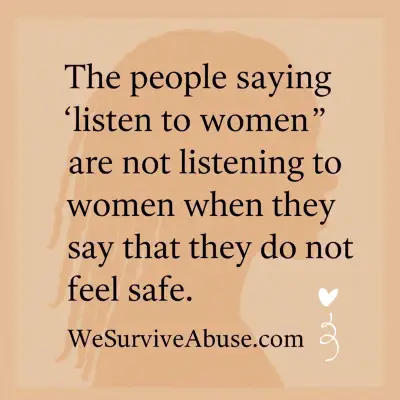
From infancy through old age, girls and women are targets for violence because male violence is statistically the most common threat we face.
This isn’t opinion — it is well-documented globally.
Our bodies can be overpowered more easily, especially by larger, stronger males, and predators know this.
2. Socialization teaches females to be gentle while others are taught dominance
Girls are raised to:
be polite
be accommodating
avoid conflict
minimize our needs
“keep the peace” even when we are unsafe
Meanwhile, boys are often socialized to take space, test boundaries, and expect compliance. That imbalance becomes a danger.
3. Cultural norms place the burden of “managing” male behavior on females
Women are trained to predict, soften, redirect, or absorb male aggression.
We are taught that if a man harms us, we must examine what we did.
This makes our vulnerability chronic and socially enforced.
4. Economic realities trap women where safety is fragile
Women are more likely to:
be financially dependent due to pay gaps
shoulder childcare
lose income when fleeing danger
be punished economically for leaving abusive partners
Economic control becomes a cage.
5. Legal systems worldwide treat female harm as a low priority
In many places:
sexual violence is under-prosecuted
domestic violence is minimized
girls’ testimony is doubted
“women’s issues” are dismissed
religious or cultural rules override female autonomy
This teaches predators that hurting females has low consequences.
6. The female body is hypersexualized and dehumanized
Women and girls are treated as:
objects
fantasies
property
background decoration
emotional support for men
unpaid labor
Hypervisibility and invisibility create a dangerous paradox: we are watched constantly, yet not protected.
7. Females are not allowed full sovereignty over privacy and boundaries
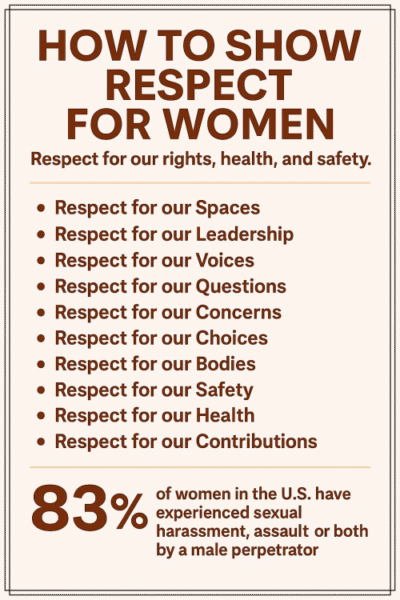
Women are expected to endure:
unwanted comments
unwanted proximity
invasive questions
sexualization in childhood
strangers touching our bodies (hair, waist, belly, arm)
Our boundaries are optional to others, but essential to us.
8. Historical violence against women has shaped global memory
Across continents, women have:
been controlled through marriage laws
been traded for alliances
been denied the right to say “no”
been punished for resisting
been killed for protecting their bodies
Women carry the collective memory of danger, even if we cannot name every story.
9. Age doesn’t protect us — it compounds danger
Female vulnerability exists at every stage:
girls are targeted because they are children
young women are targeted because they’re visible
adult women are targeted because of power imbalance
elder women are targeted because they’re dismissed and unprotected
At no stage does the danger truly disappear.
The truth beneath all of this
Females are the most vulnerable group of human beings not because of anything lacking within us, but because the world has organized itself around male power, male entitlement, and male-centered priorities — often at the cost of our safety.
Women are vulnerable because systems make us vulnerable.
Because culture makes us vulnerable.
Because history makes us vulnerable.
Because male violence is the most common form of violence on earth.
And yet — women survive, rise, create, protect, rebuild, and resist with a strength the world still tries to underestimate.