"I'm just looking out for you." "I'm just trying to help you out." January 13, 2025 (original) Concern trolling is a tactic that
“I’m just looking out for you.”
“I’m just trying to help you out.”
January 13, 2025 (original)Concern trolling is a tactic that shows up wearing a friendly mask. 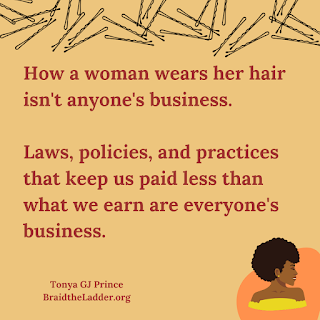
It looks like care.
It sounds like advice.
It pretends to be guidance.
But underneath, it’s a way of policing women’s bodies, choices, and autonomy — while pretending to “just be worried.”
This is the person who acts like an ally, a friend, or a supportive family member… while quietly enforcing shame, respectability, and control.
Let’s look at how it works, why it’s harmful, and what communities truly need if we want real progress — not performative policing.
How Concern Trolling Targets Women’s Aesthetic Choices
Concern trolling often focuses on how women look, dress, and present themselves — all framed as “help.”
Weight and Body Shape
Statements like:
“I’m just worried about your health…”
are usually not about health at all.
They rarely come with:
support
resources
compassion
curiosity about barriers (trauma, stress, money, medical care)
Instead, they come with:
shame
embarrassment
humiliation
The goal isn’t wellness — it’s control.
And yes, many people take pleasure in reminding women they are being watched and judged.
Hair and Grooming
Black women know this one deeply.
Comments like:
“You’d look more professional with straight hair.”
or the constant questioning:
“Is that your real hair?”
“Do you know relaxers are dangerous?”
These are not conversations about wellness or culture.
They are demands that Black women center Euro-centric preferences — and justify their existence.
Worse, people misuse legitimate health conversations to harass, nitpick, and intrude.
Here’s the truth:
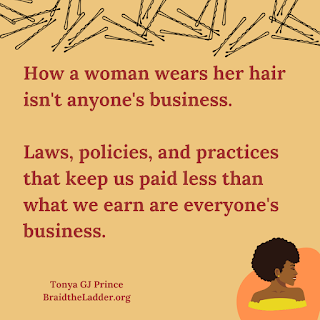
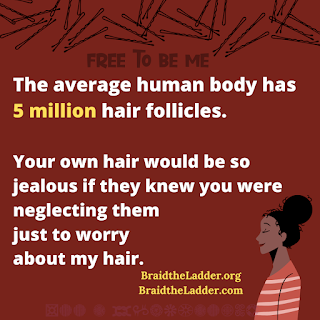
👉 Mind your own hair business.
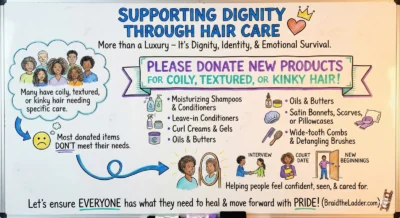
Clean, nurture, respect, and care for your own scalp — and let women live.
Clothing and Presentation
“Are you sure you want to wear that?”
Sounds like concern.
Functions like control.
It reinforces modesty politics, respectability rules, and the idea that women exist to visually please others.
Makeup and “Natural Beauty”
Women are told:
“You don’t need makeup.”
“You wear too much makeup.”
Translation:
“You are still here for my preference.”
There is no winning.
Because the point was never beauty — it was obedience.
Meanwhile…
Men show up any kind of way — and keep getting promoted, praised, and protected.
The double standard is loud.
The Real Damage of Concern Trolling
Concern trolling is not harmless. It has consequences.
1. Erosion of Confidence
When women constantly receive “advice,” the message becomes:
“You are never enough.”
And instead of removing toxic voices, we go searching for self-help — when the real solution is often:
✨ remove the people blocking your view of your own brilliance.
2. Internalized Misogyny
Over time, women start:
doubting their decisions
second-guessing their instincts
judging other women
Male-centered norms creep in quietly, until misogyny doesn’t even sound offensive anymore — just “normal.”
3. Distraction from Real Issues
Talking endlessly about bodies and beauty pulls attention away from what actually threatens women’s lives:
pay inequality
access to healthcare
gun violence and community safety
education gaps
exploitation and abuse
Policing aesthetics keeps women busy while systems go unchallenged.
4. Reinforcing Patriarchy
Concern trolling teaches women:
Be pleasing.
Be presentable.
Be quiet.
It shifts value away from intelligence, creativity, leadership, and courage — and back toward decoration.
And we deserve more than that.
What Communities Owe Women — If We’re Serious About Progress
Stop. Policing. Women’s. Choices.
Women’s bodies are not public discussion boards.
If your “concern” wasn’t invited or isn’t tied to safety — it’s not needed.
Talk About Real Issues
If you care about women:
talk wages
talk healthcare
talk safety
talk childcare
talk bodily autonomy
Not lipstick.
Not leggings.
Not braids.
Support Instead of Shaming
Real concern sounds like:
“How can I help?”
“What kind of support would feel good?”
“Do you want resources?”
And yes — sometimes real support involves money, time, rides, babysitting, and advocacy.
Shame is cheap.
Support costs something.
Challenge Male-Centered Norms
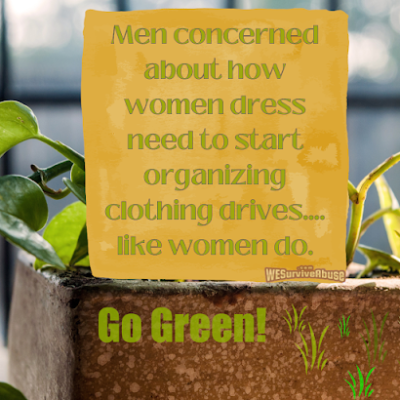
Men need to speak up when:
women are mocked
bodies are policed
violence is excused
misogynistic “jokes” are normalized
Peer accountability matters.
Center Women’s Voices
Believe women about our lives.
Trust women to lead conversations about our bodies, safety, and choices.
We know what we’re doing.
And if we don’t, we will figure it out together.
Learn Your History
Understand how beauty standards have been weaponized — especially against Black women.
Once you know the story, you stop participating in the harm.
Advocate for Real Solutions
Invest attention, energy, and policy in what actually frees women.
Not in debating our hair.
Final Thoughts
Concern trolling isn’t about love.
It’s about control dressed up as care.
And it keeps women small while pretending to protect us.
If we want healthier communities, we must:
stop disguising judgment as “advice”
stop nitpicking women’s appearance
start addressing systems that actually harm women
Say what you mean.
Offer real support.
Or step aside.
Because if your “concern” doesn’t create freedom — it isn’t concern.
It’s control.
Keep it real — or keep it.
Respecting Black Women’s Hair: Embracing Autonomy and Wellness