It requires wholeness, not performance.
A feminism that includes Black women does not ask us to arrive as fragments—carefully edited, softened, or stripped of context. It does not demand that we perform pain in acceptable ways or speak only when our words are easy to receive.

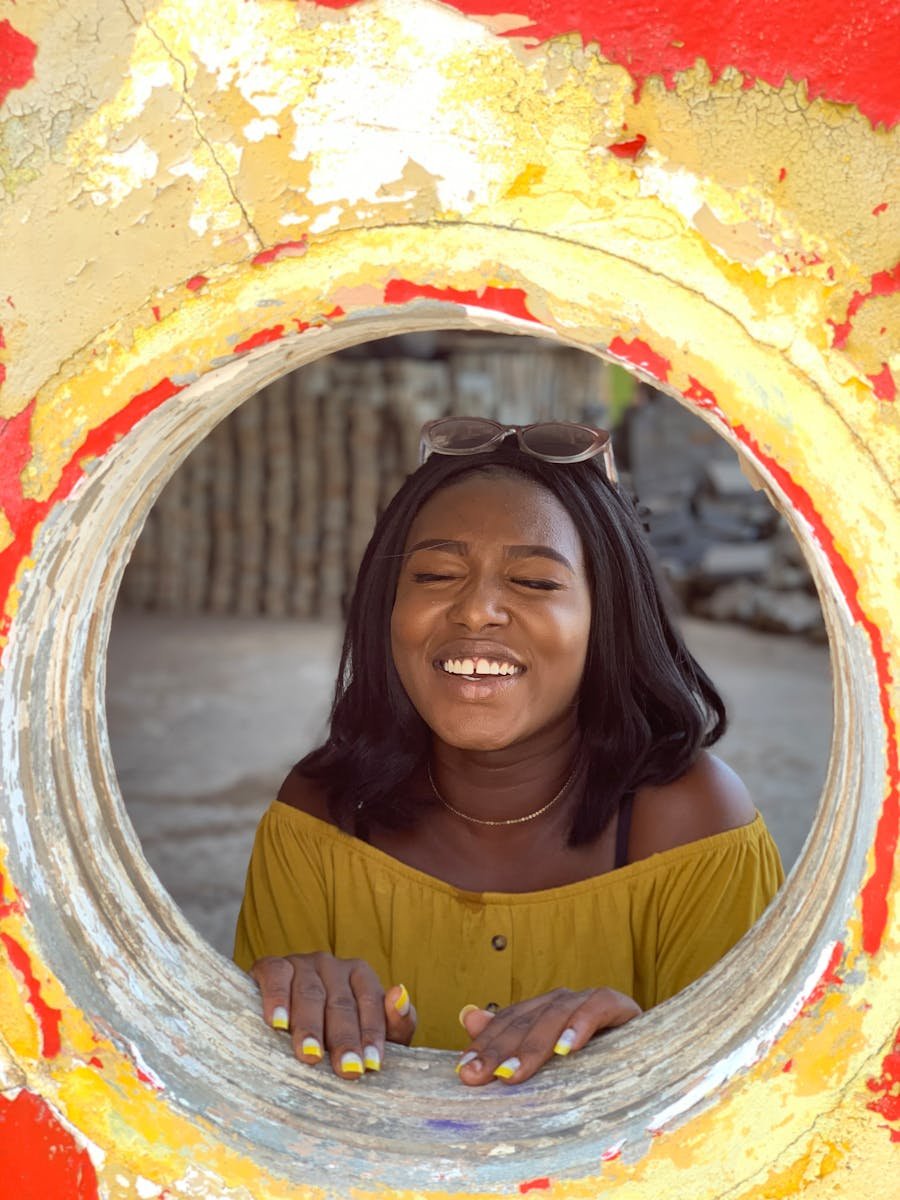
Photo by Hashtag Melvin
True inclusion begins with the understanding that Black women live whole lives, shaped by more than one force at the same time.
A feminism that includes Black women:
Does not ask us to split ourselves.
It does not require us to choose between race and gender, truth and belonging, or honesty and acceptance. It understands that our experiences are layered and refuses to flatten them for comfort.
Does not rank our pain.
It does not ask which harm came first or which one matters more. It does not turn survival into a competition. It listens without measuring, comparing, or minimizing.
Does not require silence for unity.
It knows that silence creates the appearance of peace while allowing harm to continue. Real unity can withstand truth. If speaking honestly threatens a movement, the problem is not the truth—it is the structure.
Does not confuse discomfort with harm.
Being challenged is not the same as being attacked. Growth often feels uncomfortable. A feminism that includes Black women can sit with that discomfort without shutting us down or calling it “division.”
Instead of demanding simplicity, it makes room for complexity.
Instead of centering ideals, it centers lived outcomes.
Because inclusion is not symbolic.
It is not about statements, language, or representation alone.
It shows up in who is listened to, who is protected, and who is believed.
It shows up in policies, priorities, leadership, and accountability when harm occurs.
A feminism that truly includes Black women does not ask us to shrink so others can feel whole.
It expands—so everyone can be.
And that is not a threat to feminism.
That is its unfinished work.