Because clarity is how women find themselves againwhen the world keeps speaking fluently in half-truths. There is a kind of languag
Because clarity is how women find themselves again
when the world keeps speaking fluently in half-truths.
There is a kind of language that sounds full but carries selective truth.
“All women.” It is everywhere now. Like a trending hot brand-name bag.
It rolls off easily. It fills arenas. It trends. It sells.
But sit with it.
Because if “all women” were truly being held in mind, the message would not stay polished. It would not stay comfortable. It would not stay “marketable.”
It would have to carry the weight of what women are actually living through.
And that weight is not abstract.
Nearly 1 in 3 women globally have experienced physical or sexual violence in their lifetime.
Around the world, over 840 million women are living with that reality—not as a concept, but as memory in their bodies.
Every single day, more than 130 women are killed by someone they know—often a partner or family member.
That is not a niche experience. That is womanhood under pressure. And still, that is only part of the story.
Because “all women” would also have to include:
Girls who never get to become women on their own terms (including girls subjected to female genital mutilation)
Girls forced into marriage-including giving birth to other children and homemaking– before their bodies or minds are ready.
Girls placed with men sometimes a decade or more older.
Girls at higher risk of marital rape, isolation, and domestic violence simply because they were married too young.
That reality does not fit inside empowerment aesthetics.
It disrupts them.
Does “all women” include the diverse voices and stories of these women? Does it include the lessons and cautions from those stories and voices?
Women punished for surviving violence
Across the world, women sit in prison cells—many of them there not because they were the origin of harm, but because they responded to it, survived it, or were shaped by it.
There are over 740,000 women and girls incarcerated globally, with numbers rising sharply.
The United States alone holds about one-quarter of the world’s incarcerated women.
Many are locked away for acts tied to poverty, coercion, or survival.
Some defended themselves. Some had no safe exit. Even AFTER they alerted authorities and pleaded for help. Failed by systems since girlhood.
And still, they are not who people picture when “all women” is said on a stage.
Women whose lives are shaped by scarcity, not branding
Women choosing between:
food and basic hygiene
rent and safety
silence and survival
Women who are not being courted as consumers.
Women whose lives do not translate into campaigns.
Women whose stories would change the entire tone of the message if centered.
Women living at the sharpest edges of risk
Women in humanitarian crises experience violence at nearly double the global rate.
Indigenous women in the U.S. face staggering levels of violence, with over 80% experiencing it in their lifetime.
These are not fringe realities. These are structural realities.
So what is being said when “all women” is used?
Not always a lie. But not the whole truth.
It is often:
a reflection of the women who can be seen
a reflection of the women who can buy
a reflection of the women who fit inside visibility
And the rest? They are spoken around. We will get around to them “someday.”
Mentioned briefly. Symbolically. Kept around for the numbers.
Because if celebrities spoke in a way that shifted power, risk, or resources in a way that benefitted vulnerable female human beings on this planet, that would be risky for their careers as they know them.
A womanist clarity
A womanist lens does not flatten women into a single story.
It asks:
Which women are being protected here?
Which women are being asked to wait?
Which women are being made invisible so the message can stay comfortable?
Because the truth is simple, even when it is heavy:
If the most vulnerable women are not centered, then “all women” is a performance, not a commitment.
And many women feel that.
They may not always say it out loud.
But they recognize when they are not being imagined.
Does “All Women” Include All Women’s Voices Around Bodily Autonomy, Safety, and Boundaries?
Because women know how this goes. It’s all good until a woman tells the truth backed up by facts. Then nothing is cute anymore.
This is not about tearing anyone down. It is about telling the truth all the way through.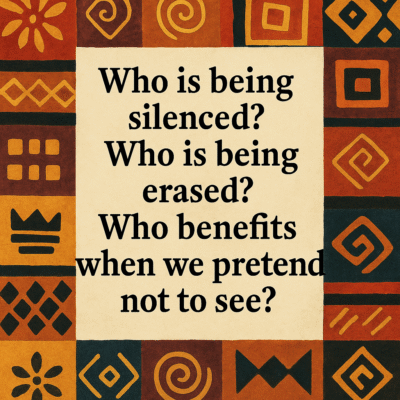
There are many lanes. Many expressions. Many audiences.
But words carry weight.
And when “all women” is spoken, it should be able to hold:
the woman in the spotlight
and the woman the system buried
Until that happens, clarity matters.
Because clarity is how women find themselves again
when the world keeps speaking fluently in half-truths.
Reflecting Questions
Who benefits from this message?
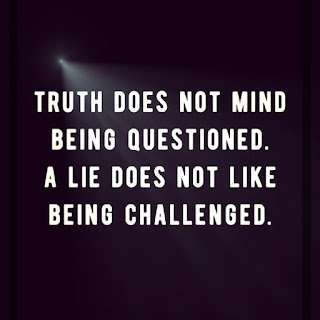
What risks are actually being taken here?
What is being protected—brand, access, partnerships?
Clarity of Audience
Who is this message actually speaking to, not who it claims to include?
Who can comfortably agree with this without changing anything in their life?
Who would feel unseen, erased, or misrepresented by this framing?
Center vs. Symbol
Who is being centered here, and who is being used as a reference point?
Are the most vulnerable women present in the message—or only mentioned?
If the most impacted women were centered, how would this message change?
Material Impact
What does this message do in the real world?
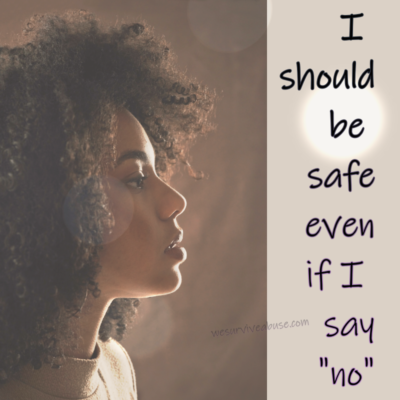
Does it shift resources, safety, or protection—or just language and feeling?
Who gains something tangible from this being said?
Risk and Consequence
What would it cost the speaker to say this more directly?
What is being avoided to maintain comfort or approval?
Who is already taking the real risks that this message gestures toward?
Truth vs. Palatability
What truths are being softened, blurred, or left unsaid?
What would make this message harder to market—but more honest?
Is this clarity—or is it a version of truth designed to be accepted?
Power and Accountability
Who holds power in this situation, and are they being named clearly?
Is responsibility being placed where it belongs—or redirected?
Who is being asked to adjust, forgive, or endure in this framing?
Lived Reality Check
Would this message still hold if spoken inside a prison, a shelter, or a courtroom?
Would women navigating violence, poverty, or isolation recognize themselves here?
Is this grounded in lived experience—or observation from a distance?
Sustainability of the Message
Does this message hold up over time, or only in the moment?
Is it consistent with the speaker’s actions, or just their words?
What happens after the applause, the post, the interview?
Language Integrity
Are words like “empowerment,” “choice,” or “freedom” being used precisely—or loosely?
What realities are being hidden behind familiar, comfortable language?
Who defined these terms—and do they match how women are actually living?