Table of Contents
When did women lose the ability to define “female” based on sex—and who made that call? Name them.
In nearly every community, there are and always have been questions around:
-
Who gets to represent a people
-
What counts as “proof” of identity
And underneath that:
Communities that have been erased are now guarding the door.
Institutions that once ignored them are now trying to catch up—sometimes clumsily.
That tension is not going away.
There are moments when a word enters public conversation and exposes something deeper than the word itself.
It doesn’t just point to a person.
It points to a boundary.
And once you see the boundary, the real question emerges:
Who is allowed to draw a line around who they are?
And who is expected to leave the door open?
Some communities are understood when they say,
“This is ours. This belongs to us. This is not for everyone.”
Others are questioned, challenged, slurred, threatened, harmed, and punished for doing the same.
So instead of rushing to conclusions, let’s sit in the questions.
Questions About Identity and Protection
When a community says, “You must belong to us to speak for us,” why does that feel reasonable in some cases—and restrictive in others?
Who taught us which groups are “allowed” to protect their identity—and which groups are expected to be open, flexible, or undefined?
When identity has been stolen, erased, or exploited, what does protection look like?
What happens to a people when anyone can claim their identity without relationship, accountability, or shared history?
Questions About Power and Access
What opportunities become available when someone claims a specific identity?
Who is most affected when that identity is claimed inaccurately?
Are institutions more comfortable verifying identity in some communities than others? Why?
When identity opens doors, who decides who has the right key?
Questions About Survival
If a group has experienced generations of erasure, is protecting identity an act of survival?
What does it cost a community to constantly explain, prove, or defend who they are?
Who benefits when identity boundaries are blurred or dismissed?
Who is harmed when those boundaries are ignored?
Is it possible that what some call “gatekeeping” is actually a form of cultural self-defense?
Questions About Double Standards
Why are some communities respected for preserving lineage, language, and belonging—while others are told they are being divisive?
Who gets to define what counts as “real” identity—and based on what standard?
Are we consistent in how we respond to identity claims across different cultures and histories?
When did women lose the ability to define “female” based on sex—and who made that call?
Questions Worth Sitting With for Women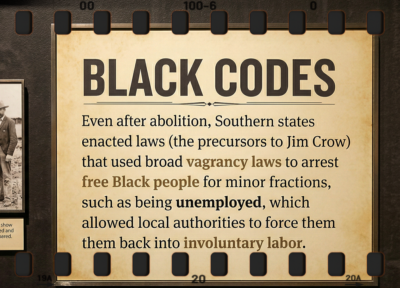
-
Why are so many of these cases tied to authority roles
(professors, authors, cultural leaders)? -
What happens when identity becomes a pathway to credibility or access?
-
Why are communities often the ones doing the investigative labor—not institutions?
-
And the harder one:
Why do some people feel drawn to claim identities that are not theirs? Who enables this?
Questions About Permission…….As a female human being
-
Questions About Safety and the Body
-
What has your body experienced that shaped how you understand being female?
-
Have there been moments when being a woman affected your safety, your choices, or your freedom?
-
When you think about protecting yourself, what realities come to mind first?
-
If your body could speak without interruption, what would it say about what it needs?
Questions About Silencing
-
Have you ever been told—directly or indirectly—that speaking about women’s experiences is “too much,” “unnecessary,” “disturbing,” “insulting,” “nasty,” or “divisive”?
-
What did you do in that moment—did you speak, or did you quiet yourself?
-
Who benefited from your silence? When you feel up to it, list everyone.
Questions About Boundaries
-
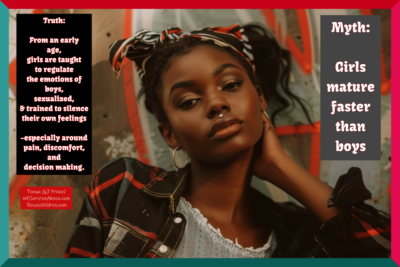
Do you believe you have the right to define your own boundaries?
-
What feels harder:
saying what you need, or holding the line once you’ve said it? -
Where in your life have you made yourself smaller to keep the peace?
-
What would change if you no longer felt responsible for managing other people’s reactions?
Questions About Double Standards
-
Have you noticed that some groups are encouraged to protect their identity—while women are often asked to be accommodating?
-
What messages have you received about being “kind,” “inclusive,” or “easygoing”?
-
Have those messages ever conflicted with your sense of safety or truth?
-
Who decides when your boundaries are acceptable—and when they are not?
Questions About Worth
-
Do you believe your experiences as a woman are valid—even when others don’t understand them?
-
What would it mean to take your own reality seriously?
-
If you trusted yourself fully, what would you no longer tolerate?
-
What would you protect—without apology?
- When women name what they see and experience, are they trusted—or corrected?
- In what situations are women expected to override their own perception of reality?
- What does it do to a person over time when they are told their understanding of their own category is “wrong” or “outdated”?
Questions That Gently Shift Ground
-
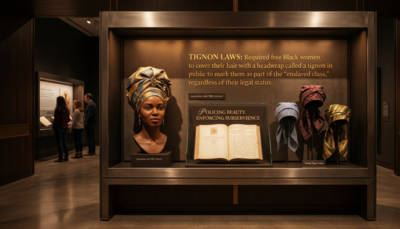
What is the difference between excluding others—and including yourself?
Questions About Authority
-
Who has the authority to define “female” in law, policy, and culture?
-
Was that authority ever clearly held by women—or was it always mediated through institutions?
-
When definitions change, who is in the room making those decisions?
And who is not? -
Are these changes coming from democratic processes, professional bodies, or internal policy shifts that most people never see?
-
-
Questions About Impact
-
What happens when women feel they cannot speak plainly about their own experiences?
-
Does redefining terms increase clarity—or does it create confusion in areas like safety, data, and care?
-
Who is expected to carry the emotional and social cost of that confusion?
-
-
Questions About Timing
-
Can you point to specific moments—laws, policies, court decisions—where definitions around being female and womanhood began to shift?
-
Did this change happen suddenly, or through a series of small adjustments that few people tracked in real time?
-
When did everyday language begin to diverge from medical or legal language?
-
At what point did disagreement about the meaning of “female” become socially risky to express?
-
-
Questions About Language
-
What happens to a category when its definition becomes unclear or contested?
-
Can a word hold two meanings at once without creating confusion in practice?
-
Who benefits when language becomes flexible—and who struggles when it does?
-
When people say “female,” are they always talking about the same thing?
-
-
Questions About Boundaries
-
What is the purpose of defining “female” in the first place—classification, protection, data, identity, something else?
-
What happens to sex-based boundaries when definitions shift?
-
Are there spaces where clarity about sex still matters?
If so, who decides where those spaces begin and end? -
What is the difference between expanding recognition and dissolving categories?
-
-
Questions About Impact
-
How do these shifts affect women’s safety, privacy, and participation in different areas of life?
-
Are some groups of women more impacted than others?
-
What happens when women raise concerns—how are those concerns received?
Questions About Consistency
-
Are all identity categories treated with the same flexibility—or only some?
-
Where do we see firm boundaries still being respected? Why there?
-
What makes one group’s self-definition protected, while another’s is negotiable?
Questions That Cut Deeper
-
Is it possible that women were never fully allowed to define themselves—and that this moment is revealing that more clearly?
-
What does it mean to “lose” something that may not have been fully recognized to begin with?
-
If women were to define “female” collectively, what principles would guide that definition?
-
What would it look like for women to participate directly in shaping these definitions now?
A Grounding Question
-
If the definition of “female” shapes law, safety, medicine, and lived experience…
who should be responsible for defining it—and how should that responsibility be shared?
-
Questions That Stay With You
What does it mean to belong to a people?
What is the difference between connection and claim?
And perhaps the quiet question underneath it all:
What would you protect, if losing it meant losing yourself?
Some questions are not meant to be answered quickly.
They are meant to be carried.
Because identity is not just about who we say we are.
It is about who we are in relationship with—and who we are accountable to.
And for many people, protecting that is not optional.
This isn’t about whether women can recognize who we are.
It’s about whether we are allowed to say it—and be heard.