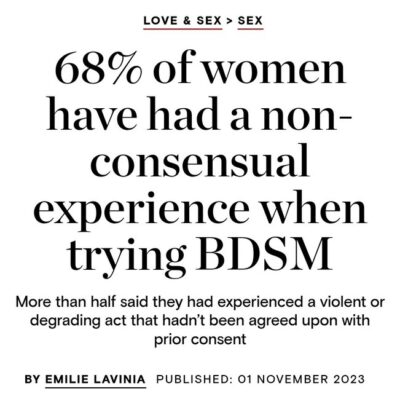
There’s a strange thing happening in our world today—especially online—where people want to argue about the words we use instead of facing the truth behind them.
Take the word “dominate.”
Some folks want to make it sound playful, harmless, or just a personality quirk. They’ll jump in and correct you—quickly—if you say someone dominates others in a harmful way.
They’ll say things like:
“That doesn’t mean abuse.”
“Not everyone who dominates hurts people.”
“You’re overreacting.”
They start a whole debate—over one word.
But for Survivors, that word isn’t theory. It’s lived reality. It’s the feeling of someone
- hovering over you,
- making the rules,
- deciding when you can speak,
- what you can think,
- who you can be.
It’s the tightening in your chest when someone raises their voice or their presence swallows the room.
It’s not a vocabulary issue.
It’s a human issue.
People who misuse domination don’t have to harm everyone they meet. They don’t have to rape every person they control. They don’t have to leave bruises to leave scars.
They pick their moments.
They pick their targets.
They pick people who they believe won’t be believed.
That’s the part many don’t want to hear.
Some people “correct” your language because accepting the truth would force them to face someone they love, someone they admire, or someone they’ve been loyal to. It’s easier for them to argue with your words than to sit with the possibility that someone they know enjoys overpowering others.
So they turn your truth into a debate.
They don’t ask how you feel. They don’t ask what happened. They don’t ask what it’s like to live with that weight. They zero in on a single word and turn it into a shield.
The moment we name domination as a tool of harm—not just sex, not just fists—every Survivor suddenly makes sense. Their stories stop sounding dramatic and start sounding familiar.
That terrifies people who benefit from power without accountability.
But here’s the thing about domination:
It always tells on itself.
It shows up in the silence you learned to swallow.
In the jokes that weren’t funny.
In the fear you thought was your fault.
In the way you shrink around certain people without knowing why.
Language helps us name what our bodies already understand.
When someone tries to strip meaning from the word “dominate,” they’re really trying to strip you of the right to describe what happened.
Don’t let them.
Your clarity matters.
Your voice matters.
Your story matters.
Not because the dictionary says so,
but because your life is proof.
People don’t dominate out of love. They dominate to control.
We don’t need to argue about that.
We’ve lived it.
We know what it feels like.
And naming what happened to you is not disrespectful or dramatic—it’s the beginning of freedom.
Keep speaking.
Some of us finally understand you.