updated from May 16 2025 Some women today get married on plantations. OG rebellious women lit a match and tried to burn that torture chamber d
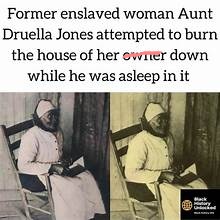
Druella Jones who was not “owned” but enslaved. From ifunny.com
updated from May 16 2025
Some women today get married on plantations.
OG rebellious women lit a match
and tried to burn that torture chamber down.
She, Aunt Jonas, lit a fire that freedom remembers.
We don’t talk enough about her.
Druella Jones, (sometimes credited as Druilla) born into slavery in Alabama, did not wait for history to hand her liberation. She tried to set it ablaze.
She lived through the Civil War. She lived through Emancipation. And by the time a camera captured her image in 1915—she was 94 years old. A living witness. A Black woman with eyes that had seen more than most could bear.
But unlike the narratives that tried to romanticize Black survival under slavery…
Druella did not quietly endure.
Druella resisted.
During the war, she did what many would not dare:
She attempted to burn down her enslaver’s house -who separated her from her children-while he was asleep inside.
Let that sit for a moment.
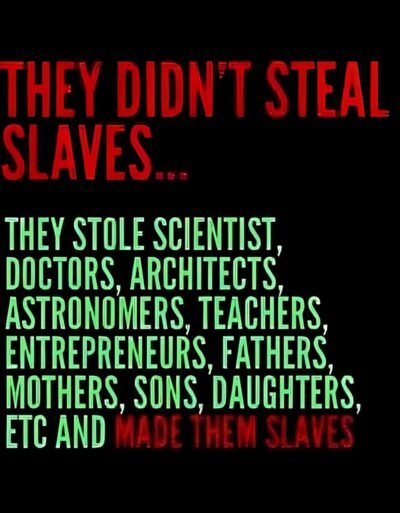
This was a woman enslaved, brutalized, silenced—and still courageous enough to try and burn down the very symbol of her oppression.
She didn’t run for safety.
She reached for fire.
🕊 A Legacy of Defiance
When her photograph was taken and preserved in Essie Collins Matthews’ 1915 book, Aunt Phebe, Uncle Tom, and Others: Character Studies Among the Old Slaves of the South, it was part of an effort to document Black lives after freedom.
But even that book, like many of the era, leaned into a narrative of “loyalty” and “docility” among the formerly enslaved.
Druella’s inclusion?
A disruption. A truth-teller. A spark in the archive.
Her story reminds us: not all survival was quiet.
Not all resistance made it into history books.
But she is why we are here.
✨ Let Us Say Her Name
Let us tell our daughters about Druella Jones.
Not as a side note.
Not as a “character study.”
But as a woman who dared to be free—while the walls of the plantation still stood.
She was not waiting to be rescued.
She became the match.
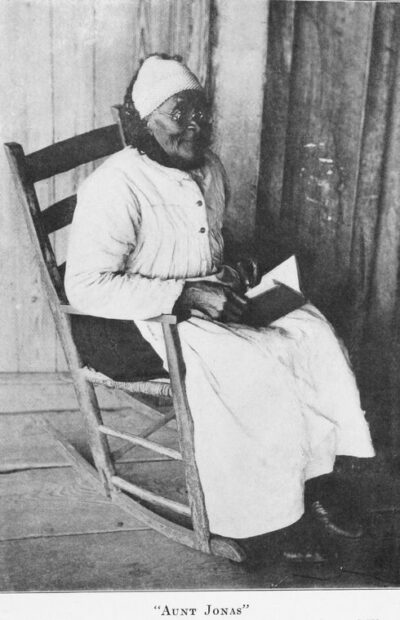
https://digitalcollections.nypl.org/items/510d47dd-b1af-a3d9-e040-e00a18064a99
📜 In her honor, may we resist the silence they tried to bury us with. May we walk boldly in the legacy of women who did not flinch—who faced power and said, “Not today.”
Druella Jones, we remember you.
We speak your name.
We light a candle—and we carry your fire forward.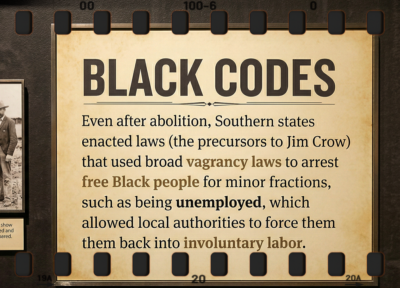
📌 Important Footnote:
When we look at the archives of places like Nottoway, the records were kept by the enslavers—the Randolphs. They documented births and deaths as if they were property, but they deliberately omitted any acts of rebellion from the official narrative.
If you are searching for honor, truth, and integrity amongst enslavers of human beings, you are not going to find it. To admit an enslaved woman like Druilla successfully struck back by burning their “prized” empire would be to admit they lost control.
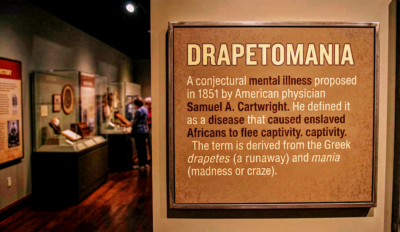
The “Vandalism” Narrative: When enslaved people burned property, the white press and plantation records often attributed it to “accidents,” “clumsiness,” or “mysterious fires” to avoid inspiring other uprisings.
The Erasure of Agency: By calling these accounts “folklore” or “ghost stories,” the academic world often dismisses the very real political hits taken by Black women against the plantation state.
The Sanitization of Nottoway: For decades, Nottoway was marketed as a “White Castle” wedding venue, completely ignoring the blood and the fire that Druilla brought to those halls.
Plantations were not symbols of charm or gentility.
They were sites of calculated terror.
Behind their grand columns and manicured landscapes were spaces of horror—where Black women, men, and children were shackled, beaten, raped, bred, burned alive, fed to animals and other monstrous terrors…..under the guise of “economy and order”.
The beauty of the architecture was never meant for us. It was meant to disguise the violence, to distract from the screams, and to make palatable what was inhumane.
Every brick, every porch swing, every magnolia tree knows.
They remember what was done in those walls.
Many plantations were not homes. They were houses of horror and terror.
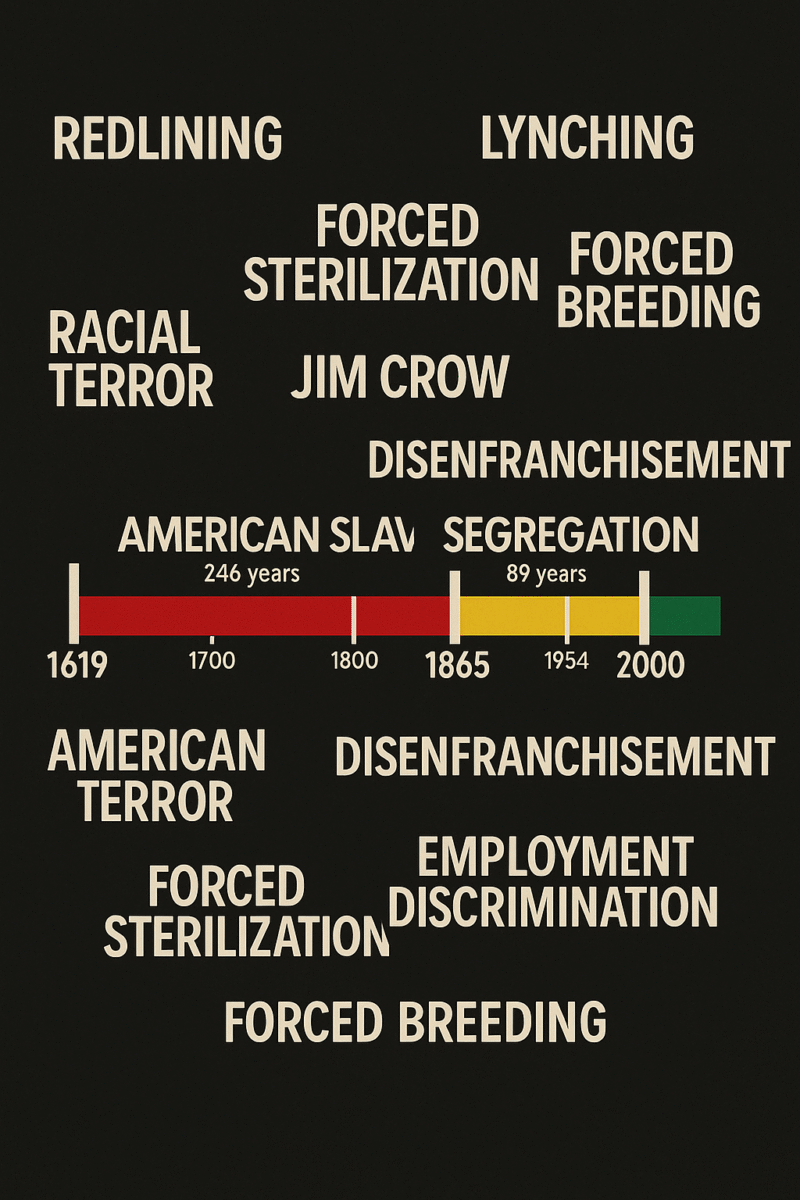
No matter how beautiful the woodwork, how sprawling the land, or how “gracious” the architecture—what happened within those walls was barbaric.
These were not grand estates. They were forced labor camps.
They were breeding grounds. Forced rape.
They were torture chambers wrapped in lace and deception.
And the women and men who lived through them—like Druella Jones—were not passive characters.
They were Survivors of unimaginable cruelty, and some, like Druella, resisted with every breath they had.
The land remembers.
The trees remember.