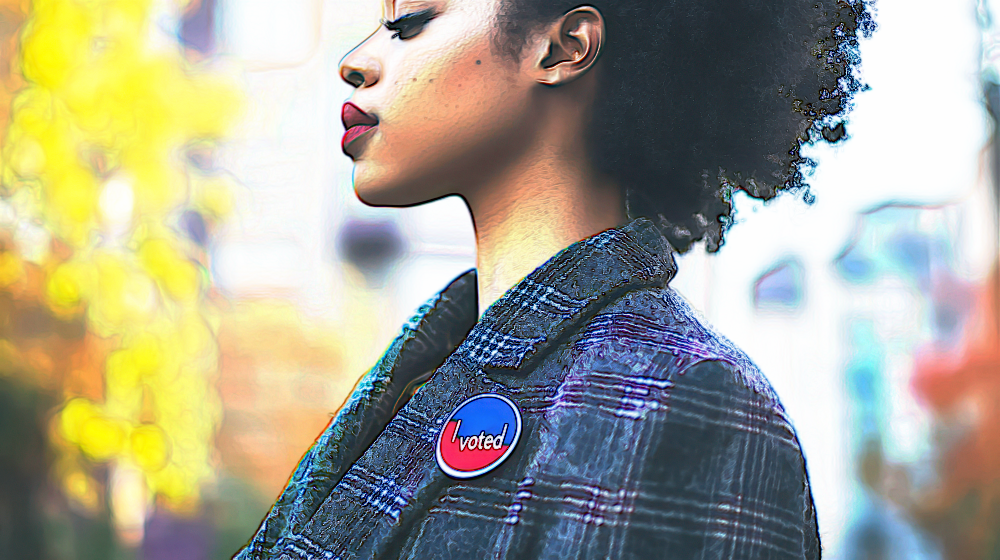
There is no need to pretend this is good news. Voting rights are important to Black Survivors of violence and abuse, especially when the only way to e
There is no need to pretend this is good news. Voting rights are important to Black Survivors of violence and abuse, especially when the only way to end violence and abuse means challenging people holding human rights hostage. Black Survivors have a right to have their voices heard in the democratic process-a space where historically there have been threats, intimidation, harm, and acts of violence. Bloodshed.
On April 29, 2026, the U.S. Supreme Court significantly weakened Section 2 of the Voting Rights Act in Louisiana v. Callais, making it harder to challenge maps that dilute Black voting power. That is serious. It is not small. It is not something to wave away with a motivational quote.
But there is still good news. Not soft good news. Not “everything is fine” good news.
The kind of good news our people have always had to know how to find.
The vote itself was not taken away.
Black people in America still have the constitutional right to vote. The fight now is over whether that vote will be made harder to use, easier to weaken, or quieter once it reaches the ballot box. That distinction matters.
Because when the danger is named correctly, the strategy gets sharper.
This is no longer only a question of whether people can vote. It is also a question of who is drawing the maps, who is controlling the rules, who is closing access, who is confusing voters, who is discouraging turnout, and who benefits when Black political power is divided into pieces.
That is where the sun can still come out.
Because local power just became more important, not less.
School boards matter. County councils matter. Judges matter. Sheriffs matter. Election boards matter. City councils matter. State legislatures matter. Secretaries of state matter. Prosecutors matters.
The presidency is not the only room where power lives. Congress is not the only table where decisions are made.
Some of the decisions that shape Black daily life are made close to home, in rooms many people were never taught to watch.
Who controls the polling places?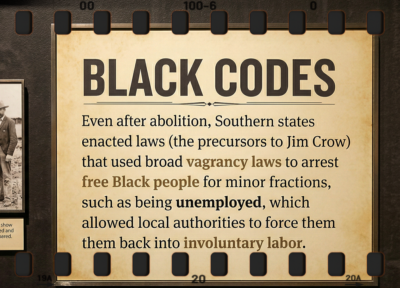
Who decides where voting locations go?
Who sets the school curriculum?
Who decides whether a community gets protected or overpoliced?
Who chooses how budgets are spent?
Who sits on the board when a mother, elder, student, worker, tenant, or disabled person needs help?
That is local power.
And Black people have never been strangers to local power.
We have built through churches, porches, beauty shops, barbershops, union halls, schoolrooms, kitchens, civic clubs, neighborhood meetings, sororities, fraternities, mutual aid networks, and those living rooms where somebody’s auntie always had a folder full of “important papers.”
We know how to organize from the ground up.
We have done it before. We are not starting from zero.
The other good news is that Black political literacy is about to sharpen.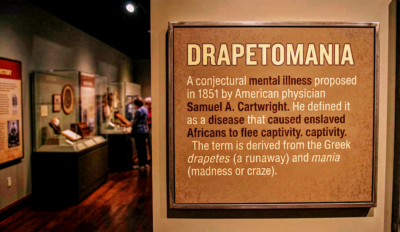
That may not sound dramatic, but it is powerful. Political literacy means knowing that rights on paper are not always rights protected in practice.
It means knowing that a law can exist and still be weakened.
It means knowing that a map can look neutral and still silence a people.
It means knowing that a polling place can be moved, a district can be redrawn, a deadline can be changed, a ballot can be challenged, and a whole community can be told, “Nothing racist is happening here.”
But now more people will know what to look for.
More people will ask better questions.
Who drew this map?
Who benefits from this rule?
Who gets split apart?
Who gets packed together?
Who is suddenly being told their vote does not matter?
Who keeps telling Black people to calm down while the machinery is moving?
That is not paranoia.
That is pattern recognition.
That is civic wisdom.
That is what our elders tried to teach us.
The Voting Rights Act did not appear out of nowhere. It came through organizing, marching, jail cells, lawsuits, church meetings, student courage, Black women’s labor, and blood on the bridge. John Lewis was beaten fighting for the rights some people now treat like paperwork. Fannie Lou Hamer was physically violated and punished for helping Black people claim political power. The history behind this law is not abstract. It came through human bodies. It came through sacrifice.
So when part of it is weakened, the lesson is not despair.
The lesson is memory.
The final piece of good news is this:
The veil is gone.
For years, Black people were told America had moved beyond race. We were told naming anti-Blackness was divisive. We were told voting rights were settled. We were told the past was past. We were told racism had changed so much that maybe we were the problem for still seeing it.
But now?
The country has to look at what Black people have been saying all along.
Some people did not stop opposing Black political power. They learned cleaner language. They learned legal language. They learned procedural language. They learned how to make harm sound calm. But when the veil is gone, people can see the machinery.
And when people can see the machinery, they can organize with clearer eyes.
That is the sun.
Not denial. Not fantasy. Not pretending this decision does not hurt.
The sun is that Black people still have memory.
We still have strategy. We still have elders. We still have ancestors. We still have organizers. We still have students. We still have writers. We still have artists.
We still have churches, civic groups, legal advocates, neighborhood leaders, and everyday people who know how to make a way when the road gets blocked.
The ruling weakened a legal tool. It did not weaken the reason the tool was needed. It did not erase the people. It did not erase the history.
It did not erase the power that comes when a people finally stop believing the lie that the fight is already over.
So no, this is not the end. This is a turning point.
A hard one. A painful one. But also a clarifying one.
The good news is that Black people are not starting from zero.
We inherit memory. We inherit strategy. We inherit survival. We inherit perseverance. We inherit love. We inherit hope.
We inherit the kind of wisdom that knows how to turn blocked doors into battle plans.
This is not the end of the fight.
It is the end of pretending the fight was over.
@intagibleasset Voting rights when diluted for anyone are intended for use against eveyone and will be used as such. The writing is on the wall and I’m trying to help you read it because it’s in a language with which you are deeply unfamiliar #voting #rights #usa #constitution #fight ♬ original sound – Miss.Information