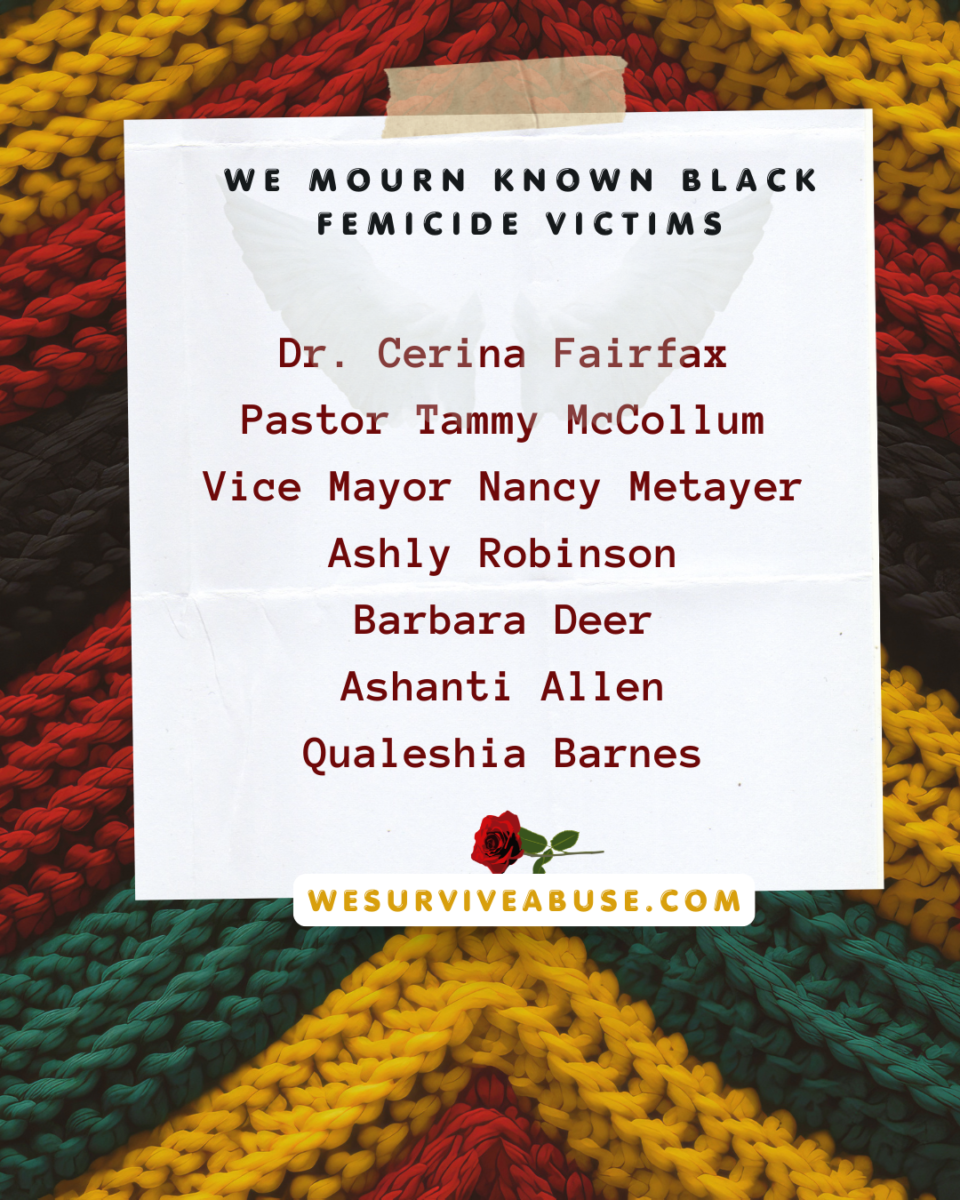
He killed her. Murdered her. Left the broken pieces for their children to pick up for the rest of their lives. And people still asked about his menta
He killed her. Murdered her. Left the broken pieces for their children to pick up for the rest of their lives.
And people still asked about his mental health. No questions about hers. And the damage mistreatment, violence, and abuse does to one’s mental health.
What was that hell like for her?
They searched for reasons. They searched for stress. They searched for anything that could make him make sense. HIM. Because even to people who pride themselves on having a certain social lens, she. does. not. matter.
Meanwhile, her life becomes a footnote.
This is a pattern, you know?
A woman is harmed. A man is centered.
The story shifts almost immediately:
“What was he going through?”
“He must have snapped.”
“There had to be something wrong with him.”
Oh, there, there. (Even in death society pats male murderers up. Gross!)
Something is always wrong with him. But something was done to her. And they refuse to name it. (social media algorithms prevent you from saying it too. It is all very intentional.)
Easy for you to do. You did not have to survive him. She did not.
Because when the focus turns to his inner world, accountability softens. The violence starts to sound like an event instead of a decision.
A moment instead of a pattern. You stop imagining that maybe she was going through hell? And how long was that happening?
Once it sounds like a moment, the system is off the hook.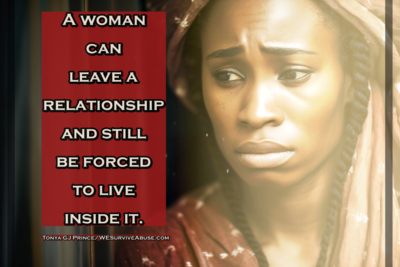
No one asks, with the same urgency:
Who ignored the warning signs?
Who dismissed her fear?
Who told her to be patient, to stay, to work it out?
Who failed to create a path where leaving was actually possible?
What laws pinned her in?
Those questions point somewhere people don’t like to look.
Policy. Courts. Law enforcement. Housing. Economic barriers. Leaders. Cultural expectations that ask women to endure, smile, and keep being congenial.
It is easier to examine his mind than to confront those systems. Because if this is about him alone, then it is rare. Unpredictable. Unavoidable. They can even make him seem…..sympathetic for robbing her and her children of her living days.
But if it is about patterns, systems, and decisions, then it is preventable. And that requires change.
So the narrative bends. He becomes complex. Layered. Human. A man who “buckled under pressure.”
She becomes “the victim.” One word. No depth. No future.
If you listen closely, they aren’t even using the title she worked hard for, Dr. She was a dentist. She had patients waiting to see her. One who looked distraught speaking to the news about her.
But they keep referring to him as former Lt. Governor of Virginia. An elected position. His friends do keep reminding us that he was an attorney though.
Even in death, she is reduced. Even in violence, he is expanded.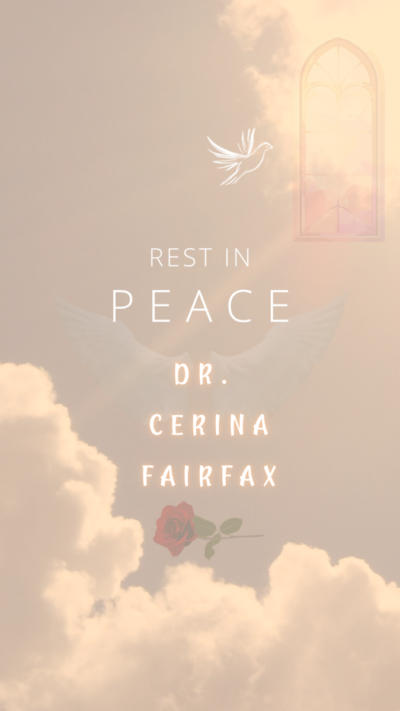
That imbalance is not neutral. It teaches people where to place their empathy. It signals whose story matters. It quietly tells other women what to expect if they are harmed.
And it tells men something too.
That even at the point of irreversible harm,
there will still be a search for understanding.
Not accountability first. Understanding first. That order matters.
This is not about denying that mental health exists. It certainly does, but Justin Fairfax had life disappointments just like the rest of us. He did not have to take that out on his wife and their children. That was a choice. To acknowledge that is to refuse to let depression and disappointment be used as a shield for murder and lifetime mental harm to children.
Because women live with stress. With pressure. With pain. And they are not excused when they harm.
The standard shifts depending on who is hurt.
If we are serious about ending violence, the focus has to return to what was done, how it was allowed, and what continues to make it possible.
Not just who he was. But what failed her. Everything.
Until that shift happens, the pattern will hold.
And the next woman will already be inside it.