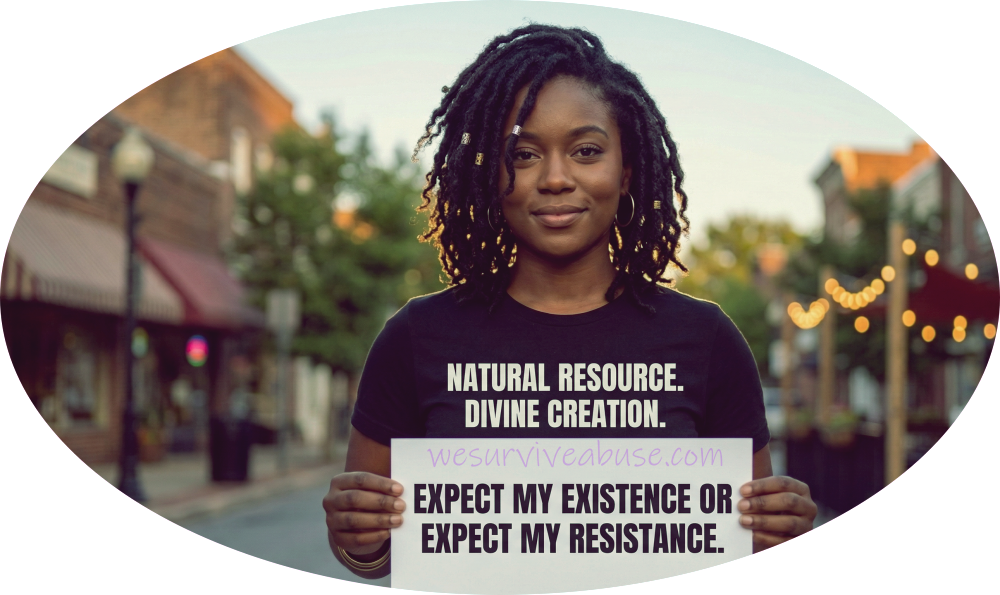
Across social media and public conversations, there is a pattern many Black women recognize immediately. When a crisis emerges somewhere in the wor
 Across social media and public conversations, there is a pattern many Black women recognize immediately.
When a crisis emerges somewhere in the world, voices appear demanding that Black women:
- organize
- educate
- protest
- comfort
- mobilize
The tone is often urgent. Sometimes aggressive. Occasionally, laced with insults or accusations.
As if Black women caused the problem.
As if we built the systems being criticized.
As if we enslaved nations, colonized continents, or declared wars across the globe.
History tells a very different story.
Black women have spent generations trying to help societies move away from violence, injustice, and exploitation. Many have risked their lives doing so.
Yet even while that history exists, a strange contradiction continues.
Our labor is demanded, but our leadership is questioned.
We are invited into the work, but not always into the decision-making.
We are kept in the field, but rarely welcomed at the strategy table.
Here are ten of them.
1. Violence Against Black Women
Black women have been sounding the alarm about violence in their communities for generations.
Not only violence from strangers.
But violence in homes, workplaces, and institutions.
The cover-up narrative is, “No one wants Black women, but that has ALWAYS been a lie used as a speed bump to stall searches, investigations, and finding the true culprits.”
Too often, these warnings were minimized, dismissed, or treated as private matters (ownership, our children, our servant) rather than public safety concerns.
2. The Disappearance of Black Women and Girls
For years families have searched for missing daughters, sisters, and mothers with little media attention.
Black women were speaking about this issue long before national campaigns finally began acknowledging it.
Even now, many cases receive limited coverage.
3. The Adultification of Black Girls
Black girls are often treated as older than they are.
They are expected to be tougher, more mature, and less innocent than other children.
This leads to harsher punishment in schools and less protection when harm occurs.
Black women have been pointing out this pattern for decades.
4. Medical Dismissal and Maternal Health
Black women frequently report that their pain is not taken seriously by medical professionals.
This reality has contributed to higher maternal mortality rates and delayed diagnoses.
Black women have been raising these concerns long before recent headlines acknowledged the crisis.
5. Economic Exploitation
Black women work at some of the highest rates of any demographic group in the United States.
Many support extended families while navigating wage gaps and limited access to capital.
Their labor sustains communities, yet their economic needs often receive less policy attention.
6. The Emotional Labor Expected of Black Women
Across workplaces, families, and movements, Black women are often expected to stabilize environments during crisis.
They are asked to mediate conflicts, mentor others, and repair damage.
Yet the emotional toll of that constant responsibility is rarely acknowledged.
7. The Silencing of Black Women Who Tell the Truth
When Black women speak directly about injustice, they often encounter labels meant to silence them.
Words like:
“angry”
“difficult”
“divisive”
Even, “hateful” and “bigoted” if you dare to speak truth.
These labels distract from the issues being raised and discourage others from listening.
8. The Myth of Endless Strength
Strength is frequently praised in Black women.
But that praise sometimes becomes an excuse to overlook their needs.
People celebrate resilience while ignoring exhaustion, grief, and vulnerability.
Strength without care becomes another form of burden.
9. The Expectation That Black Women Will Save Everyone
There is a strange assumption in many conversations that Black women must respond to every global crisis.
The expectation appears quickly:
Speak up.
Organize.
Educate others.
Fix this problem too.
But Black women did not design the systems responsible for many of these problems.
Yet they are repeatedly asked to clean them up.
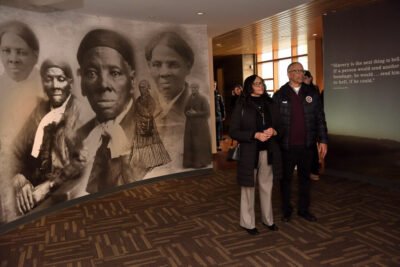
And they still would not have voted for Harriet Tubman
10. The Refusal to Recognize Black Women’s Leadership
Perhaps the most frustrating reality is this:
Black women have offered solutions for generations.
They have written, organized, taught, and led movements that expanded democracy and human dignity.
Yet excuses continue to appear whenever leadership roles are discussed.
Black women are welcomed as workers.
But too often denied the authority to guide the direction of the work.
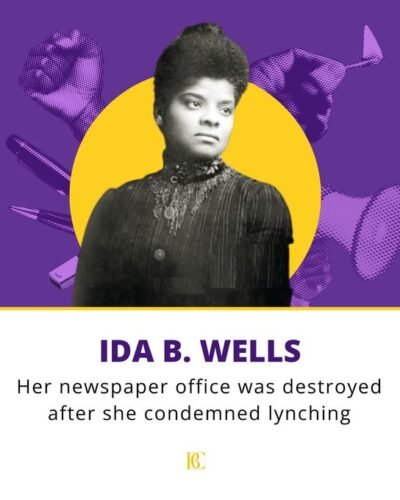
And they still would not have voted for Ida B. Wells
A Truth That Needs to Be Said
Black women have spent generations trying to move societies toward justice.
Calling for:
- safer communities
- stronger families
- dignity for workers
- protection for children
- accountability for violence
Those are not small contributions.
Those are foundations for healthy societies.
And yet the pattern remains:
Demand the labor.
Question the leadership.
That contradiction deserves to be examined honestly.
A Different Question
Perhaps the conversation should begin somewhere else.
Instead of asking Black women to carry more responsibility for problems around the world, people might begin by asking:
What are Black women saying about the conditions where they live?
What concerns have they been raising for decades?
What wisdom has already been offered?
Because communities grow stronger when they listen to those who have been warning them the longest.