
You ought to be thankful for the little things. But little things are all you seem to give. Janet Jackson| What Have You Done For Me LatelyG
You ought to be thankful for the little things.
But little things are all you seem to give.
Janet Jackson| What Have You Done For Me Lately
Gratitude is something I practice as a core part of my healing.
But all good things can be misused.
This is not a call for gratitude.
This is control. Control around safety, abuse, and survival.
It is a psychological tactic used by:
abusive partners
neglectful families
exploitative workplaces
harmful institutions
and outsiders who benefit from your silence and violence against you.(including online bots whose purpose is also to teach others to adopt this same talking point.)
It sounds gentle.
It sounds like perspective.
But its purpose is to make you doubt your own hunger.
What the tactic sounds like in real life
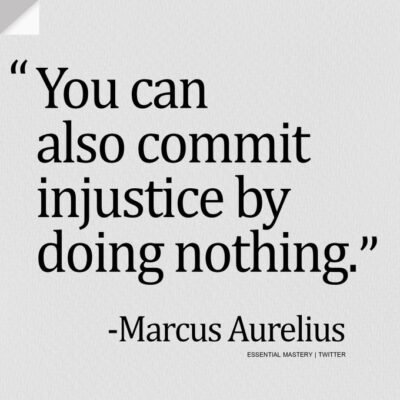
It usually comes dressed in calm words:
“Other people have it worse.”
“At least you have something.”
“You should be grateful you’re not on the street.”
“Stop complaining.”
“You’re doing fine.”
“You really have it good.”
But the message underneath is always the same:
Don’t notice your needs.
Don’t name the harm.
Don’t ask for more.
Don’t disrupt what works for us.
Why this tactic is so dangerous
Because it trains people to:
accept deprivation as normal
confuse survival with safety
confuse endurance with dignity
confuse crumbs with care
It teaches human beings to negotiate with starvation.
To apologize for wanting rest.
To feel ashamed for needing protection.
To call pain “perspective.”
And I am tired of watching that lie hollow people out.
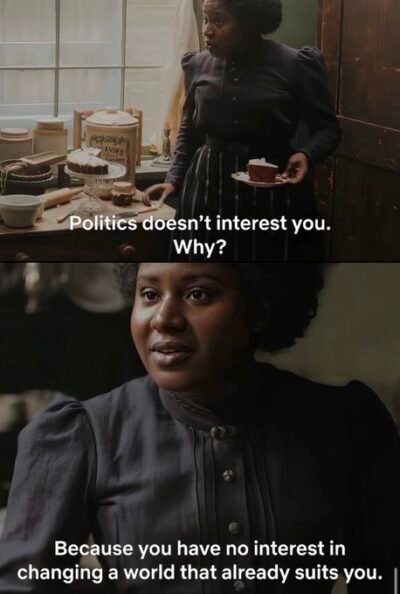
How systems use this too
Not just individuals.
Systems do this constantly:
Underfunded schools telling children they’re “fortunate” to have broken textbooks.
Hospitals dismissing pain because someone else is “worse off.”
Wealthy employers paying poverty wages while calling it “opportunity.”
Housing systems telling women to be grateful for unsafe placements (especially with adult males present)
Social programs shaming people for needing more than the bare minimum.
It is not humility.
It is rationing humanity.
Black film examples that show this tactic clearly
These help people see the manipulation.
1. Precious (2009)
Precious is repeatedly told — directly and indirectly — that she should be grateful:
for having a home
for having a mother
for surviving
Even while being brutally abused.
Her suffering is minimized through comparison and shame.
That is the tactic.
2. The Color Purple (1985)
Celie is trained to accept:
violence
sexual exploitation
silence
deprivation
as “just how life is.”
She is not told she deserves safety.
She is told to endure.
That conditioning is the same tactic in long form.
3. For Colored Girls (2010)
Several characters are pressured to stay quiet about harm because:
“that’s just how men are”
“others have it worse”
“don’t break the family”
Their pain is framed as something to swallow politely.
4. Claudine (1974)
Claudine is judged for struggling.
Her exhaustion is moralized.
Her need is treated like failure.
She is expected to be grateful while carrying impossible weight.
That is systemic gaslighting.
How to recognize the tactic in the moment
Ask yourself:
Are my basic needs being met?
Am I safe?
Am I rested?
Am I fed?
Am I protected?
Am I free to say no?
If the answer is no…
…and someone is telling you “you have it good”…
You are not being grounded.
You are being managed.
How to strategize around it (practical steps)
You don’t need to debate.
You need boundaries and clarity.
1. Name it internally
Silently say:
This is minimization.
This is not truth.
That alone breaks its spell.
2. Shift the frame
Instead of:
“Maybe I should be grateful…”
Try:
“Gratitude does not replace safety.”
“Survival is not the same as well-being.”
“Basic needs are not luxuries.”
3. Stop over-explaining
People who use this tactic are not confused.
They are invested.
You do not owe them a courtroom presentation of your pain.
4. Track patterns, not moments
If someone repeatedly tells you:
you ask for too much
you’re lucky to have what you have
others have it worse
That is a worldview.
Not a misunderstanding.
5. Build language for yourself
Even if you never say it out loud:
“I am allowed to want more than survival.”
“My nervous system is not a debate topic.”
“My needs do not require comparison.”
Survivor-centered affirmations
You can use these as written affirmations, audio, or graphics.
I am not ungrateful for wanting safety.
Hunger is not humility.
Exhaustion is not character.
Surviving is not the same as living.
My needs do not become invalid because someone else is suffering too.
I do not need to earn dignity through pain.
Wanting stability does not make me selfish.
I am allowed to outgrow what once kept me alive.
I am allowed to name deprivation as harm.
I am allowed to want a life that does not hurt.
The advocate’s truth (plain and tired and honest)
I have watched too many good people shrink themselves to fit inside other people’s comfort.
I have watched women apologize for needing food.
Rest.
Safety.
Peace.
I have watched systems call neglect “strength-building.”
I have watched bullies call deprivation “character.”
Enough.
If someone benefits from you staying small, quiet, and grateful for scraps…
they are not teaching wisdom.
They are protecting access.
And you do not exist to make exploitation feel moral.
Try telling the people saying this that you want better. That you deserve better. See if they will actively assist you. Clarity is a beautiful thing.