
Source: U.S. Sentencing Commission, FY 2024 Datafile, USSCFY24Get the dataDownload PDF Quick Facts at a GlanceAlmost all offenders are men
Source: U.S. Sentencing Commission, FY 2024 Datafile,
USSCFY24
Quick Facts at a Glance
Almost all offenders are men
93.8% of those sentenced were men
Insight:

Photo by Hiroshi Kimura
This finding confirms a consistent global pattern:
sexual abuse is overwhelmingly male-perpetrated violence
Trials are rare—which tells you how cases move
- Only 10.8% went to trial (vs 2.7% for other crimes)
Insight:
Even though this is higher than other crimes, it still means:
nearly 90% are resolved without trial (usually plea deals)
The system treats these crimes as serious—but only after conviction
Average sentence: 221 months (about 18+ years)
99.2% receive prison time
Insight:
Once someone is convicted at the federal level, punishment is severe. These are not light consequences.
The type of offense drastically changes the sentence
Examples:
Child pornography production: 273 months avg
Rape (criminal sexual abuse): 229 months avg
Statutory rape: 42 months avg
Abusive sexual contact: 37 months avg
Insight:
Not all sexual harm is treated equally.
There’s a sharp drop-off depending on:
how the law defines the act
whether force, age, or production is involved
Mandatory minimums quietly drive longer sentences
Example:
With mandatory minimums: 305 months
Without: 147 months
Insight:
The law—not just the judge—shapes outcomes.
Nearly half of sentences don’t follow guidelines exactly
~51% follow guidelines

~49% are “variances” (often downward)
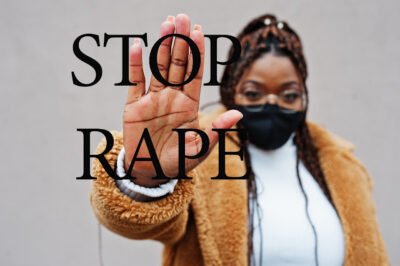
Insight:
Even in serious crimes:
judges still exercise discretion
sentences can be reduced below recommended levels
That opens questions like:
Who gets leniency?
Under what circumstances?
Are there disparities?
This is where deeper investigation matters.
Importance of Listening to Survivors
1. Most harm is never recorded and thus never becomes a statistic
Federal data reflects prosecuted cases only
It does not include:
unreported harm
dismissed cases
situations where victims were not believed
Put simply:
As always, statistics can only show who and what cases made it through the system. Listen to Survivors.
2. Justice often comes late—if it comes at all
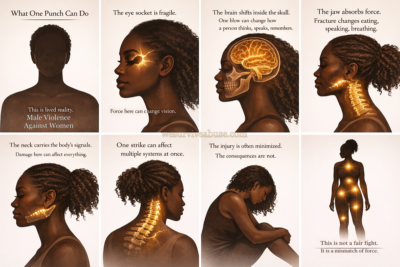
Long sentences happen after conviction
Survivors often navigate:
fear
coercion
pressure to stay silent
community protection of offenders
At its core, the issue is this:
The system is reactive, not preventative.
3. Silence is not accidental—it is structured
Most cases do not go to trial
Many are resolved quietly
This means:
full truths are rarely told publicly
harm is compressed into legal language
In clear terms:
As truths are negotiated, minimized, and whittled down, protection erodes.
4. Not all harm is treated equally
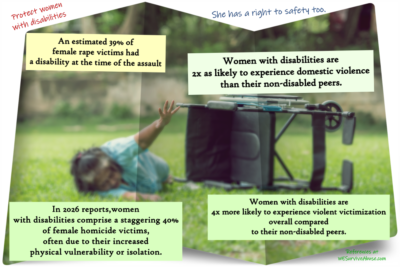
Sentencing varies widely depending on legal category
Survivors experience harm as whole, not segmented
Insight:
Legal definitions do not always reflect lived impact.
5. Patterns are clear—even when people avoid naming them
The vast majority of offenders are male
Where clarity strengthens understanding:
Avoid vague phrasing that obscures patterns.
If we name it directly:
Clarity about facts and historical patterns is not cruelty. It is protection.
6. Some communities are more exposed than others
Geographic patterns reflect:
jurisdiction gaps
systemic vulnerability
Communities often impacted:
Black women
Indigenous women
rural populations
disabled women
7. Survivors are often managing risk long before intervention
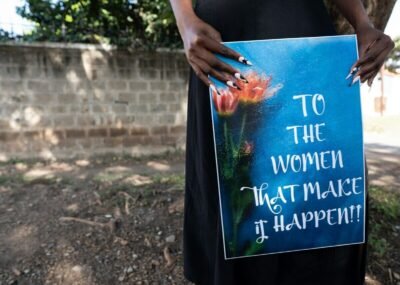
Photo by Dwayne joe| Unsplash.com
Boundaries, intuition, and pattern recognition happen early
Systems often respond after escalation
Put Plainly:
Survivors are doing prevention work long before systems even become aware of issues and crimes.
8. Absence of data does not mean absence of harm
Silence, stigma, and pressure shape reporting
This remains true:
The system only records outcomes. Survivors live the process. Listen to Survivors.