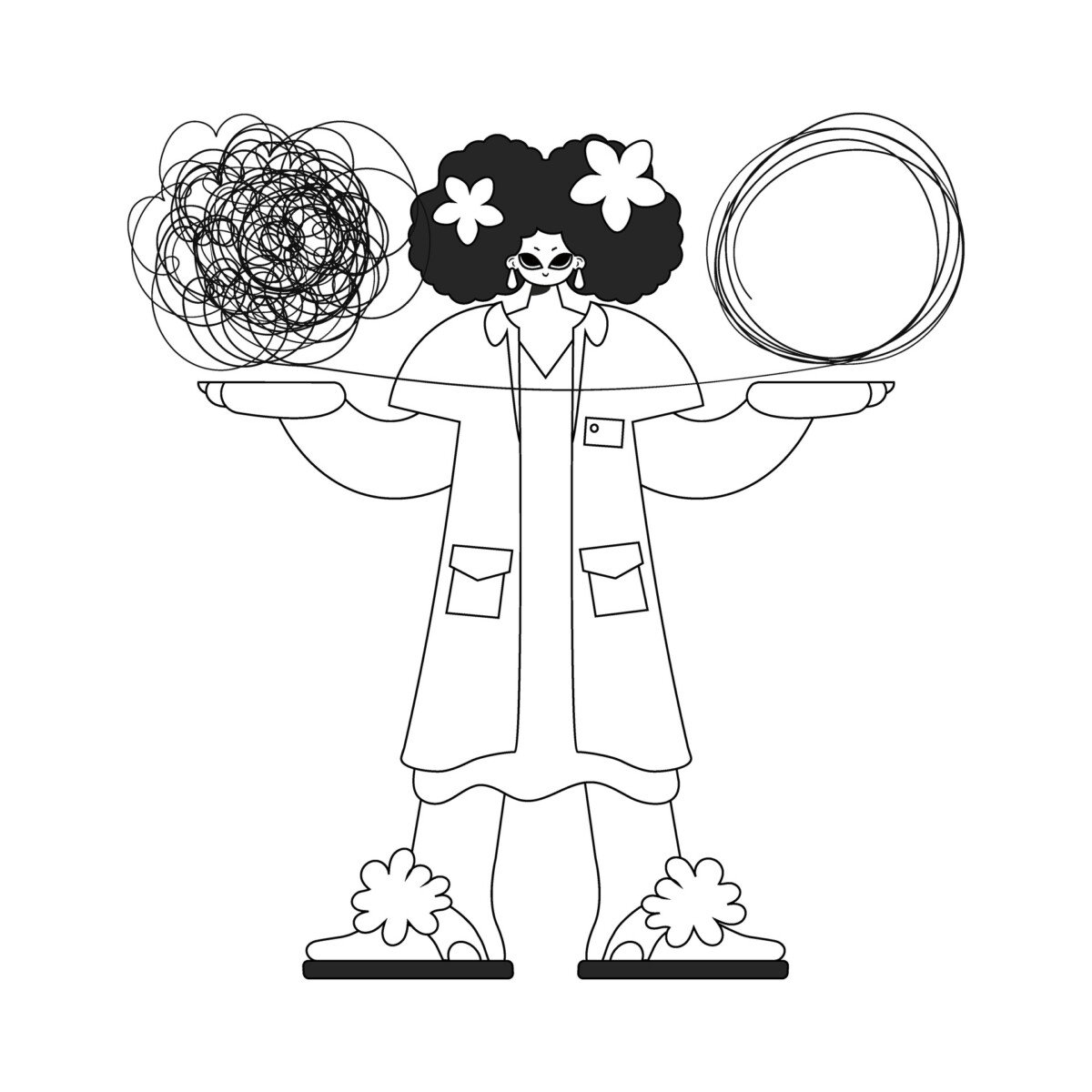
The Trap in Toxic Relationships and Systems "Fine. I will do it myself." Ancient Black women's proverb. At first, she thought the pr
The Trap in Toxic Relationships and Systems
“Fine. I will do it myself.” Ancient Black women’s proverb.
At first, she thought the problem was the broken thing.
The leaking sink.
The overdue bill.
The conversation that kept getting postponed.
The appointment nobody helped her make.
The child’s need that kept falling on her shoulders.
The paperwork the agency kept “losing.”
The safety concern the school kept minimizing.
The promise that sounded good in front of other people but disappeared in private.
So she asked.
She asked gently the first time.
Then clearly.
Then with details.
Then with dates.
Then with that tired voice people get when they are not trying to start a fight, they are trying to stop drowning.
And every time she asked, the answer came back with a little sting in it.
“You’re always complaining.”
“You act like nothing I do is enough.”
“Why do you have to make everything a problem?”
“You should have reminded me.”
“You didn’t ask the right way.”
“You’re too emotional.”
So she learned.
Not all at once. Not dramatically. Not with music swelling in the background.
She learned in the quiet, ordinary way many Survivors learn.
She stopped expecting help where help kept turning into punishment.
She called the repair person. She handled the bill. She documented the meeting. She made the plan. She packed the bar. She created the backup.
Check. Check. Check.
She stopped bringing her thirst to an empty well.
And then came the second punishment.
Now they were angry because she fixed it.
Not because the sink was repaired.
Not because the child was cared for.
Not because the paperwork was finally in order.
Not because peace had been restored.
They were angry because she moved without waiting for permission, rescue, approval, or performance.
That is when we get confused.
Because the Survivor thinks, “Wait. I thought the problem was that I was asking too much. Now I am not asking, and that is wrong too?”
Yes.
That is the trap.
You are allowed to stop bringing your thirst to an empty well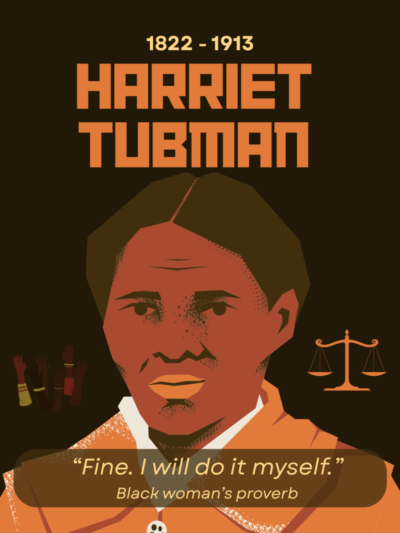
In dysfunctional and toxic relationships, the issue is often not the task itself. The issue is control over your choices.
They do not want you to ask.
But they do not want you to stop asking.
They do not want to help.
But they do not want you to become capable without them.
They do not want to repair.
But they do not want the evidence of their neglect sitting out in the open.
They do not want responsibility. But they still want the authority, because with authority comes control.
That is why this pattern wears people down so badly. It turns ordinary life into a maze where every door leads back to blame.
A woman asks her partner to help fix something in the house. He delays for weeks. She finally pays someone to do it. Now he says she embarrassed him.
But she did not embarrass him.
His refusal had already told the story.
A Survivor asks an institution for protection. They stall, minimize, question, and redirect. She begins documenting everything. Suddenly she is “difficult.”
But she did not become difficult. She became harder to dismiss.
If every door leads back to blame, you may not be in a relationship. You may be inside a maze.
A child says they feel uncomfortable around someone. The adults brush it off. The child starts avoiding that person. Now the child is called rude.
But the child was not rude.
The child was listening to the alarm bell nobody else respected.
An employee asks for clear instructions. None are given. She builds a system and keeps the work moving. Now someone says she “took over.”
But she did not take over.
She filled a gap that leadership kept pretending was not there.
This is why so many victims and Survivors feel worn out before they ever have language for what happened.
They were not only dealing with harm.
They were dealing with shifting rules.
One day, speak up.
The next day, “stop making noise.”
One day, ask for help.
The next day, “Why didn’t you handle it?”
One day, trust the process.
The next day, “Why didn’t you protect yourself sooner?”
One day, provide proof.
The next day, “Why were you collecting evidence?”
This is not only something individuals do.
Systems do it too.
Courts can do it.
Workplaces can do it.
Families can do it.
Schools can do it.
Agencies can do it.
A system may ask, “Why didn’t she report?”
Then when she reports, it asks, “Why did she wait?”
Then when she explains the waiting, it asks, “Why didn’t she have more proof?”
Then when she brings proof, it asks, “Why was she documenting everything?”
Then when she protects herself, it asks, “Why didn’t she cooperate more?”
That is not a search for truth.
That is a control maze.
And too often, victims are expected to walk that maze perfectly while injured, frightened, exhausted, under-resourced, and being watched by people who are more interested in their tone than their safety.
A Survivor’s clarity can frighten people who were counting on her doubt.
You are not confused because you are foolish.
You are confused because the rules were designed to keep changing.
You are not tired because you are weak.
You are tired because you have been forced to solve problems while also defending your right to solve them.
You are not wrong for asking for help.
You are not wrong for no longer asking people who punish your need.
You are not wrong for fixing what someone else neglected.
You are not wrong for documenting what someone else denied.
You are not wrong for becoming capable in the places where someone hoped you would stay dependent.
A loving (or unloving) person may feel ashamed when they realize they failed to show up.
A loving person may say, “I should have helped sooner.”
A loving person may say, “Thank you for handling that. I know you should not have had to carry it alone.”
A loving person may feel uncomfortable, but they do not punish your survival skills.
They do not make your competence the crime.
They do not act like your independence is betrayal.
They do not demand that you stay helpless so they can feel important.
Because love does not require you to remain trapped.
Admiration does not require you to stay small.
And concern does not punish you for finding air.
Sometimes the most important moment in a Survivor’s healing is not the loudest one.
It is the moment she quietly sees the pattern.
The moment she says:
“I see it now. When I ask, I am wrong. When I stop asking, I am wrong. When I wait, I am wrong. When I move, I am wrong. So the problem cannot be my method. The problem is that they want control over every option.”
That realization may ache.
But it can also bring a strange kind of peace.
Because once you understand that the game is rigged, you can stop blaming yourself for not winning it.
You can stop decorating the trap.
You can stop calling confusion “love.”
You can stop mistaking someone’s anger for evidence that you did something wrong.
And slowly, with wisdom, support, safety, and planning, you can begin choosing from a deeper place.
Not from panic.
Not from guilt.
Not from the old fear of making them mad.
But from the truth.
The truth that you are allowed to repair what others neglect.
You are allowed to protect what others endanger.
You are allowed to stop pleading at doors that only open to blame.
You are allowed to build a life where your peace does not have to pass through someone else’s permission first.
Some doors you knock on.
Some doors you document.
Some doors you leave closed.
And some doors, you open for yourself.
A Survivor’s clarity and focus can frighten people who were counting on her doubt.
The rules kept changing because the goal was never fairness. The goal was control.
Survivor Affirmations
I am allowed to recognize a no-win trap.
I am allowed to stop chasing approval from people who keep changing the rules.
I am allowed to ask for help without being shamed.
I am allowed to solve problems without being punished.
I am allowed to notice when control is being disguised as concern.
I am allowed to document, prepare, and protect my peace.
I am allowed to stop calling confusion “love.”
I am allowed to trust the part of me that finally got tired.
I am allowed to choose safety, clarity, and freedom one decision at a time.
You did not embarrass them by solving the problem. Their refusal to help had already told the story.
Civil Rights: Focus is How a People Stop Being Managed and Start Being Heard – WESurviveAbuse
Why Do So Many Lies Feel True? The Hidden Psychology No One Talks About – WESurviveAbuse
10 Dangerous Beliefs That Have Harmed Women Around the World – WESurviveAbuse
You Cannot Punish Women for Protecting Themselves from Male Violence Against Women – WESurviveAbuse
Abuse of Power in Spiritual Leadership: When Faith Is Used to Conceal Harm – WESurviveAbuse
The Myth of Neutrality: Why Identity Blindness Fails Survivors Every Time – WESurviveAbuse
What Is DARVO? How It Harms Black Women and Black Girls – WESurviveAbuse
When Women Must Explain Their Boundaries, Society Has Already Failed Them. – WESurviveAbuse
How to Stop Pouring Into What Doesn’t Grow – WESurviveAbuse
🚨 When Power Imbalances Are Ignored—and Victims Get Hurt – WESurviveAbuse
It’s Not That They Can’t Hear You. They’ve Chosen Not To – WESurviveAbuse
Your Defense of Them Is a Betrayal of Me – WESurviveAbuse
When He Won’t Pay the Bills: The Financial Abuse People Miss – WESurviveAbuse
🖤 Why Would Anyone Be Against Your Empowerment? – WESurviveAbuse
Maleness Is Portable Power: 20 Reasons Women Are Still Asked to Move Over – WESurviveAbuse
Before You Judge, Listen: Black Men’s Medical Trauma Is Real – WESurviveAbuse
Della Reese, Medical Racism, and Why Black Patients Fight to Be Heard – WESurviveAbuse
Health is a human right, not a privilege to be purchased.- Shirley Chisholm