Oppression against women does not always disappear when women make progress. Many times, it changes its language, changes its costume,
Oppression against women does not always disappear when women make progress. Many times, it changes its language, changes its costume, and finds a new way to stay in control.
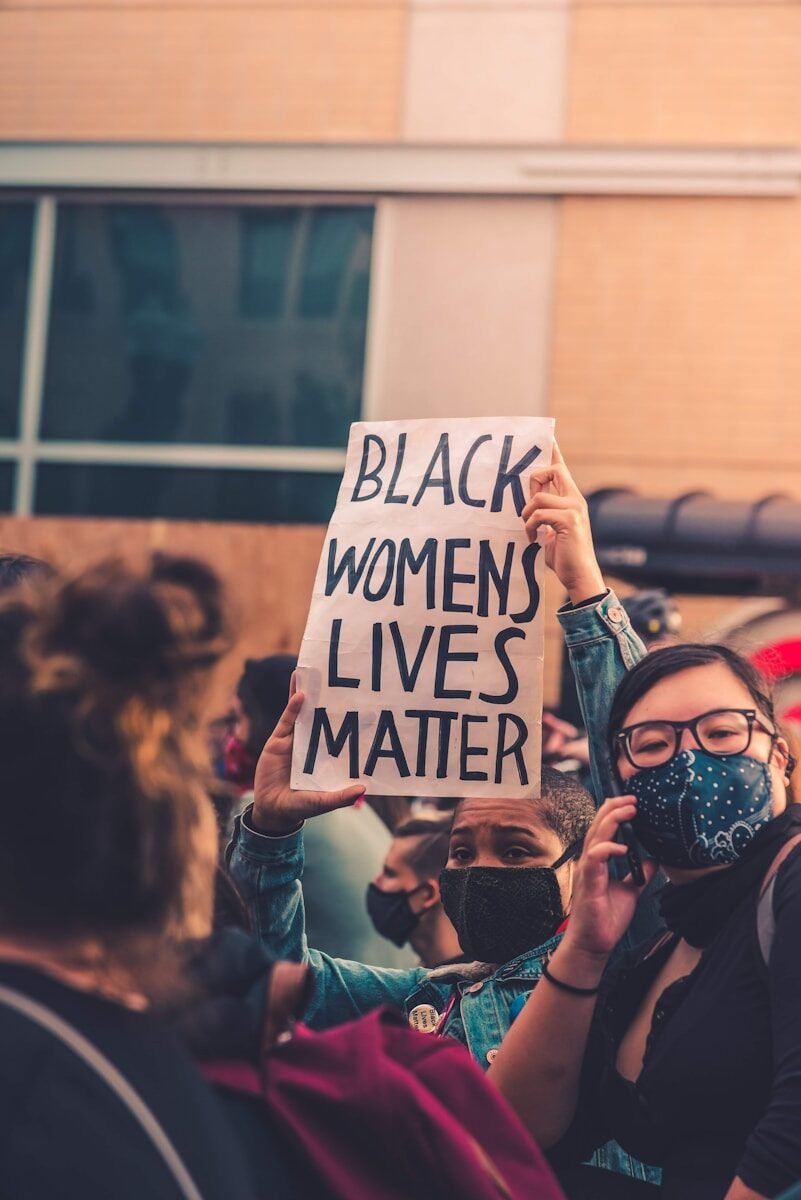
Photo by Max Bender
Here are global examples that make the pattern easier to see.
1. Women fought for the right to vote. Opponents said women did not need it.
When women wanted the vote, many people argued that politics would ruin women, damage families, and disturb society.
The message was simple:
“You do not need power. You already have influence.”
But influence is not the same as rights. Women were expected to serve society, raise families, support men, and obey laws, but they were not supposed to help make those laws.
That was control pretending to be protection.
2. Married women were once treated as legally attached to their husbands.
Under old laws like coverture, a married woman could lose many legal rights. Her husband had control over money, property, contracts, and often the children.
When people challenged this, defenders did not always say, “We hate women.”
They said, “This is how marriage works.”
That is how oppression keeps its footing. It makes control sound normal.
3. Foot binding in China kept girls and women physically restricted.
Foot binding caused real pain and damage. But for generations, it was defended as beautiful, proper, feminine, and necessary for marriage.
Girls were harmed because society told families that a girl’s pain was the price of being accepted.
Even after bans, the practice continued in some places because social pressure was powerful.
That is how oppression survives. It turns harm into tradition.
4. Women were welcomed into wartime work, then pushed back home.
During wars, women were told they were needed in factories, farms, hospitals, offices, and resistance work.
But after the war ended, many women were told to return home so men could have the jobs and public power again.
Women’s labor was praised when the system needed it. Then women’s independence was treated as a threat when the emergency passed.
That is oppression saying:
“Help us survive, but do not expect to keep the power you gained.”
5. Enslaved and colonized women were denied womanhood, then forced to serve.
Black women, Indigenous women, and colonized women were often treated differently from women who were considered worthy of protection.
They were denied tenderness, safety, legal protection, and bodily dignity. Their labor was exploited. Their children could be taken. Their pain was ignored.
Then society still demanded their service, strength, silence, and endurance.
This is why we must always ask:
Which women gained rights?
Which women were left out?
Which women were still unsafe?
Oppression keeps its footing by pretending one group’s progress means all women are free.
6. Women’s reproductive lives have been controlled again and again.
Across history, women have faced forced pregnancy, forced sterilization, abortion bans, birth control bans, child marriage, marital rape exemptions, and medical neglect.
The excuses change.
Sometimes people say it is about religion. Sometimes family. Sometimes morality. Sometimes population. Sometimes protecting children.
But the result is often the same: women lose control over their own bodies.
That is oppression moving the battlefield into the womb.
7. Female genital mutilation shows how harm can be protected by social pressure.
FGM continues in parts of the world even though it harms girls and women.
It is often defended through ideas about purity, marriage, honor, family reputation, or tradition.
Girls do not have real freedom when the cost of refusal is shame, rejection, punishment, or being seen as unmarriageable.
That is oppression making a girl’s pain the price of belonging.
8. Afghanistan shows how quickly women’s gains can be reversed.
Women and girls in Afghanistan made progress in education, work, public life, journalism, and leadership.
Then the Taliban returned to power and placed severe restrictions on women and girls.
Girls’ education, women’s jobs, women’s movement, women’s clothing, and women’s public voices were targeted.
That is oppression attacking the future first.
When girls cannot learn and women cannot work, the whole society is pushed backward.
9. Iran shows how women’s clothing can become a tool of state control.
In Iran, women have resisted compulsory dress laws because the issue is bigger than clothing.
It is about whether the state controls women’s bodies in public.
When women are punished for how they dress, the message is:
“Your body belongs to our rules.”
That is oppression turning ordinary female visibility into a public offense.
10. Modern backlash against women’s rights is global.
This is not only old history. Around the world, women’s rights are still being challenged, weakened, renamed, or rolled back.
Sometimes the language sounds soft.
People say “family values,” “tradition,” “public order,” “morality,” or “protecting society.”
But women have to ask:
Who loses freedom?
Who loses safety?
Who loses medical care?
Who loses education?
Who loses the right to say no?
Who benefits if women stay confused?
The lesson is simple.
Oppression does not always say, “We want to control women.”
It says, “Be reasonable.”
It says, “This is tradition.”
It says, “This is for your own good.”
It says, “Stop making trouble.”
It says, “Women are already equal.”
But from a distance, the pattern becomes clear.
Women gain ground. Power studies the gain. Then power tries to take back the substance while leaving the appearance of progress.
That is why women cannot only celebrate milestones. We must also study backlash.
Because oppression does not always need women to lose everything at once.
Sometimes it only needs women to stop noticing.
Speak Up for Black Girls: Protect Her Childhood, Privacy, and Dignity – Rosa’s Children