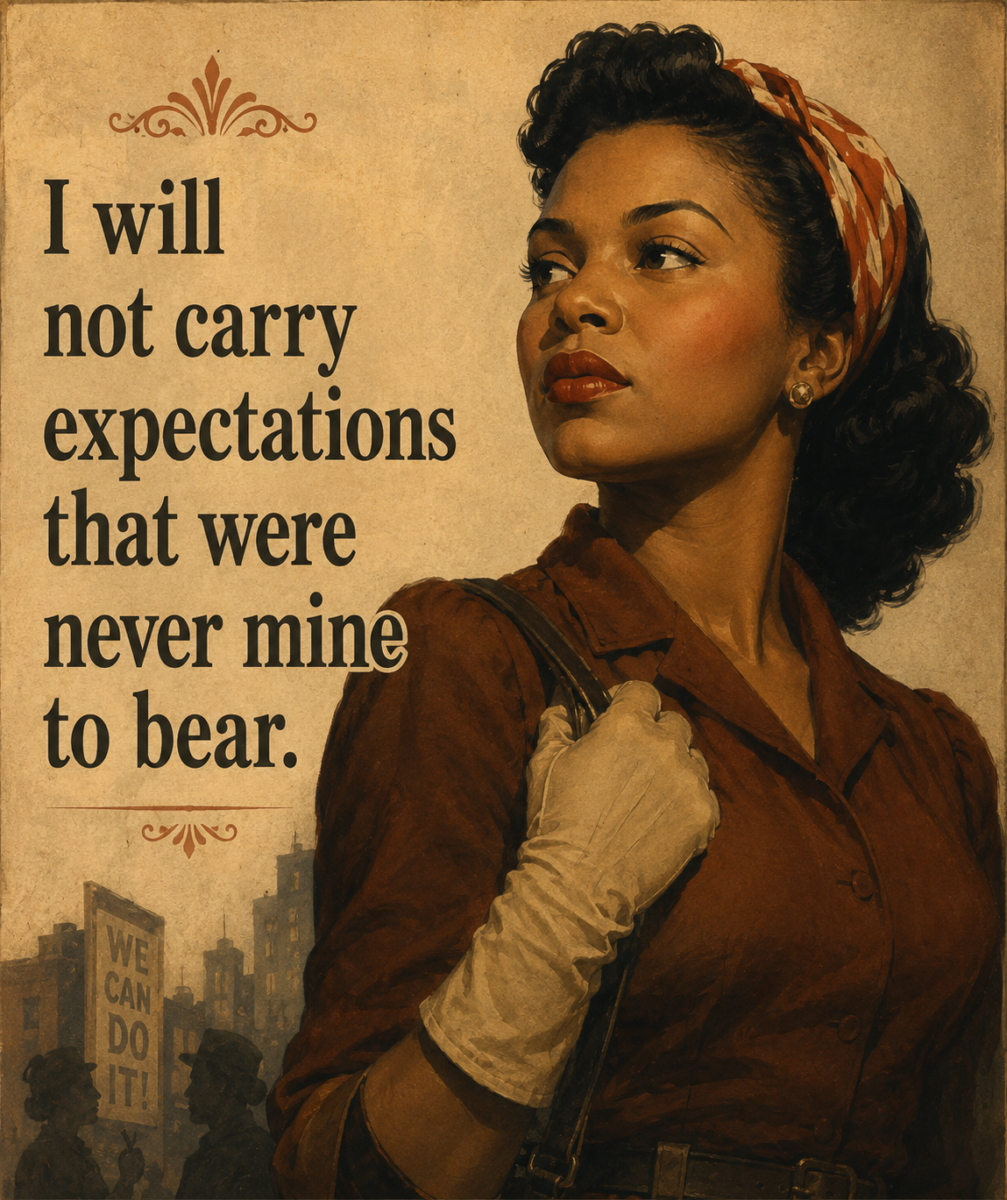
updated from April 18, 2025In the end anti-black, anti-female, and all forms of discrimination are equivalent to the same thing: anti-humanism.
updated from April 18, 2025
In the end anti-black, anti-female, and all forms of discrimination are equivalent to the same thing: anti-humanism.
-Shirley Chisholm …..(don’t ever let anyone tell you that she didn’t the work of feminism)
Men who seek power over women always want to define womanhood first.
Because when you control the definition, you control her destiny.
Let’s be clear: Womanhood is not for men to define.
Not by her husband. Not by her community. Not by her oppressors. Not by strangers.
(So They Can Control Women)
“A real woman would never…”
They shame, silence, and manipulate us by defining what a “real woman” is. It’s never on our terms.Redefining womanhood to include everyone… but us.
They erase our biological reality while keeping our labor, our language, and our identity.Expecting submission without consent.
Whether he’s her husband, boyfriend, faith leader, or community leader, he expects her to follow—without question.Policing her duties.
Cook. Clean. Smile. Serve. Be obedient. Be sexual—but not too sexual. These “duties” come with unspoken threats.Controlling how she refers to him.
Even when he’s not around, she must speak about him a certain way—or face consequences.Erasing her voice.
When she tells the truth, they call her bitter. Angry. Unqualified. Ugly. Emotional. Difficult.Gatekeeping her womanhood through suffering.
They say you must endure pain to be a “good woman.” As if suffering is our rite of passage.Dictating her appearance.
Dress this way. Cover up. Show more skin. Wear your makeup this way. Wear these clothes, and not those clothes. Smile. Lose weight. Wear your hair how he likes it.Rewriting her history.
They tell their version of our stories—what we meant, how we felt, and what we “should have done.”Shifting the goalposts.
The rules keep changing. Just when you think you’ve done it right, suddenly it’s not “woman enough.”
Abusive men make the rules of womanhood, while women carry out the real work of womanhood. Abusive men insist on it with consequences attached.
Historically, men have not only described womanhood—they have often used law, religion, medicine, economics, and culture to set its boundaries for their own benefit. One of the main reasons that women do not allow males in spaces where work is being done for women’s empowerment is that men tend to attempt to tailor the group or work around themselves. Women are frequently told that they “aren’t doing something right” or “don’t know enough.” Their intuition is reframed as psychosis or mocked in some way.
Not every man held equal power, and women have always resisted. But the institutions doing the defining were overwhelmingly controlled by men AND for male benefit.
1. Woman as man’s legal dependent
Under coverture, a married woman’s legal identity was absorbed into her husband’s. She could lose control of her wages, property, contracts, and even legal standing. Womanhood was defined as dependence, while manhood was treated as authority.
2. Woman as wife and mother first
Women were told that marriage and motherhood were not simply possible parts of life, but their natural destiny. Education, work, ambition, sexuality, and public leadership were judged according to whether they served men, husbands, and children.
3. Woman as naturally unsuited for power
Men denied women the vote, public office, professional licenses, higher education, and civic authority by claiming women were too emotional, delicate, dependent, or morally pure for public life. The contradiction was obvious: women were supposedly too weak to govern, yet strong enough to carry families, farms, factories, and communities.
4. Woman as biologically irrational
Male-dominated medicine often treated women’s anger, grief, sexuality, resistance, pain, and distress as evidence of “hysteria.” Instead of asking what had happened to women, doctors frequently defined womanhood itself as unstable and disordered. For centuries, predominantly male medical authorities interpreted women’s pain, sexuality, anger, grief, and resistance through theories centered on the uterus and “female instability.” The diagnosis of hysteria became a way of describing—and sometimes controlling—women whose behavior did not fit accepted expectations. Treatments included isolation, enforced rest, hypnosis, and physical interventions.
That has not gone away even if the words have. Women’s pain is often dismissed as “stress” or a need to lose weight.
5. Woman as sexually pure—or sexually corrupt
Patriarchal cultures divided women into false categories: virgin or whore, respectable woman or fallen woman, wife material or sexual object. Men were permitted sexual freedom while women were punished socially, legally, or violently for sexual knowledge, desire, pregnancy, or victimization.
6. Woman as obedient
A “good woman” was often defined as agreeable, quiet, forgiving, self-sacrificing, and submissive. A woman who set boundaries, challenged abuse, rejected marriage, or spoke with authority could be called bitter, unnatural, unfeminine, dangerous, or mad.
7. Woman as unpaid labor
Domestic work, caregiving, childbirth, child-rearing, emotional support, and community care were labeled women’s natural duties rather than labor. Defining service as femininity allowed families, employers, churches, and governments to benefit from women’s work without properly valuing or compensating it.
8. Woman as an object for male evaluation
Beauty standards taught women that womanhood had to be proven through attractiveness to men. Her body was treated as public property—something to judge, rank, sexualize, discipline, cover, uncover, enlarge, shrink, whiten, or reshape.
9. Black womanhood as laboring, exploitable and less deserving of protection
Black women were denied even the limited femininity granted to respectable white women. Under slavery and segregation, racist male power portrayed Black women as endlessly strong, sexually available, naturally servile, aggressive, or incapable of innocence. These myths justified forced labor, sexual violence, family separation, medical abuse, and the refusal to protect Black women.
Enslaved Black women were expected to perform exhausting labor while being denied the delicacy and protection associated with white womanhood. Later stereotypes such as the endlessly loyal, self-sacrificing “Mammy” defined Black women according to what white households and institutions wanted from them. The stereotype helped romanticize and justify racial exploitation. .
10. Woman as whatever preserves male authority
This is the deepest pattern. Definitions of the “proper woman” changed when male power needed them to change.
She was weak when she sought authority, but strong when labor was required.
She was irrational when she protested, but responsible when everyone needed care.
She was naturally maternal when childcare was unpaid but unreliable when she sought professional leadership.
She was sacred when men wished to control her sexuality but disposable when she reported male violence.
That tells us something important:
The historical struggle over womanhood has never been only about words. It has been about who controls women’s bodies, labor, sexuality, movement, resources, political voice, and right to say no.
Women are not costumes, stereotypes, services, fantasies, or supporting characters in men’s lives.
Women are human beings with the right to define ourselves, speak about our material reality, establish boundaries, and build institutions around our own needs.
The recurring pattern is this: men and male-controlled institutions established an ideal of womanhood, rewarded women who conformed to it, and punished or excluded women who did not. Women’s resistance has often begun by declaring that womanhood belongs to women themselves—not to husbands, doctors, lawmakers, churches, advertisers, or cultural gatekeepers.
The question is always: Who benefits from the definition, and what happens to women who refuse it?
 🎯 The Point:
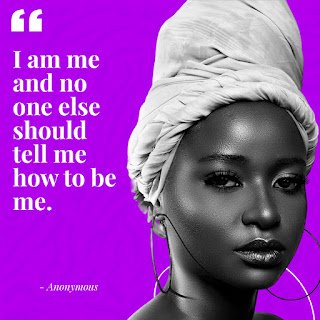 🎯 The Point:
Men who seek power over women always want to define womanhood first.
Because when you control the definition, you control her destiny.
Let’s be clear: Womanhood is not for men to define.
Not by her husband. Not by her community. Not by her oppressors. Not by strangers.
💥 We define ourselves.
💪🏽 We decide what it means to be a woman.
🕊️ We speak the truth, whether they approve or not.
Why Women’s Rights Vary by State—and Men’s Don’t: A Breakdown of Legal Inequality in America
When Giving Up Women’s Rights Is Called Progress: 15 Questions Worth Asking
Self-Abandonment: How Survivors Can Come Home to Themselves – WE Survive Abuse