There is something deeply revealing about the world we live in. You cannot rent a car without agreeing to terms....and a credit card. You cannot lea
There is something deeply revealing about the world we live in.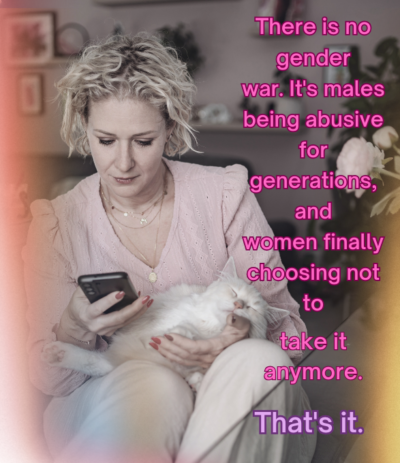
You cannot rent a car without agreeing to terms….and a credit card.
You cannot lease a home without stringent conditions. (Thus the unhoused crisis)
You cannot store your belongings, ride a city bike, or use a shared space without rules, deposits, and accountability.
Predominately male owned systems and things. No “sharing”. No “kindness” as far as the eye can see. They will allow an abandoned house to dilapidate and rot before they ever consider turning it over to the community but, women had better allow males easy access passes like our bodies are a government owned toll road?
What the World Protects—and What It Expects Women to Give Away
Yet women are routinely expected to offer access to our lives, our homes, our bodies, our emotional worlds, our spaces where we are nude, and our children based on nothing more than someone’s word.
That expectation is not kindness.
It is conditioning.
Women have been taught—quietly, persistently—that requiring agreement is unloving, that boundaries are rude, that caution is cold. Meanwhile, every system around us treats objects and things, as worthy of protection, structure, and forethought.
Women and children are worth at least that.
This is not about becoming hardened or suspicious.
It is about becoming clear.
A woman-centered space is not casual.
It is not open by default.
It is not a public resource.
It is a high-value environment.
High-value spaces require:
Qualification
Time
Consistency
Respect for boundaries
Proof over promises
Not because women are difficult—
but because women are precious.
A “deposit” does not have to be money (when it comes to private living spaces. In private spaces, I do not know you, Mr. Stranger.).
It can be patience.
Reliability. Accountability.
A willingness to listen when corrected.
A history of respectful behavior.
People who are safe do not resent these things.
They understand them.
Resistance to boundaries often reveals more than compliance ever could.
This is not punishment.
It is discernment.
When women pause before granting access, we are not withholding love.
We are protecting life.
We are honoring ourselves.
We are modeling wisdom for the children who watch how we decide who comes close.
There is nothing radical about this.
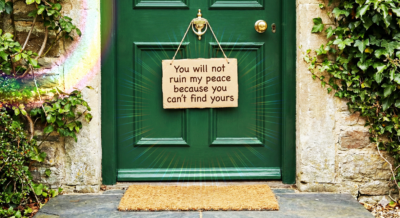
It is already how the world operates—
just not for women.
That can change.
As women remember our worth, access becomes intentional.
Presence becomes earned.
Safety becomes proactive instead of repaired after harm.
And slowly, steadily, a different message takes root:
Women are not required to open every door.
Women are allowed to set terms.
Women are allowed to decide who enters their space—and who does not.
That is not cruelty.
That is self-respect, finally spoken out loud.