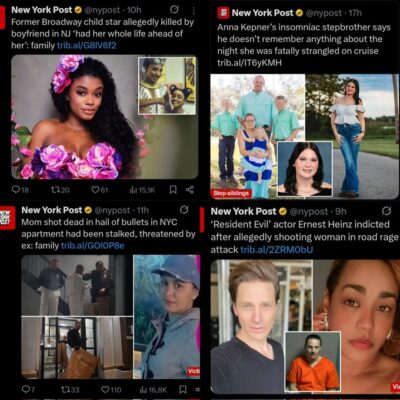
At some point, complacency feels like betrayal. It is exhausting and deeply painful to be a witness to complacency around violence and abuse. C
At some point, complacency feels like betrayal.
It is exhausting and deeply painful to be a witness to complacency around violence and abuse. 
Complacency is an enemy to progress and to human safety.
Because complacency isn’t neutral, though it can feel that way.
It’s not “doing nothing.”
Complacency silently sides with whatever harm is already happening.
What complacency does in real life
Complacency says:
“That’s not my business.”
“They’ll work it out.”
- “Well maybe the person who caused the harm will be safer around others after the 59th chance”
“Who am I to get involved?”
- “The person who caused the harm is important too.”
“We’ve always done it this way.”
And while people say those things…
women disappear after we don’t hear them anyway
people stay trapped in danger
abusers are protected by silence
systems never improve, because there’s no pressure to change
- we allow the problem to grow so large even our intervention becomes ineffective
- people dig deep into “alternatives” that aren’t helpful because they did not listen to the victims who were in immediate danger
Complacency becomes the grease that lets violence keep sliding forward.
Not loud.
Not dramatic.
If we normalize harm, we help it grow.
“Complacency is not peace. It is permission — permission for harm to continue.”
**Remember, I shared with you all previously that the holiday season can be a very difficult and violent time for many. Definitely was this season.