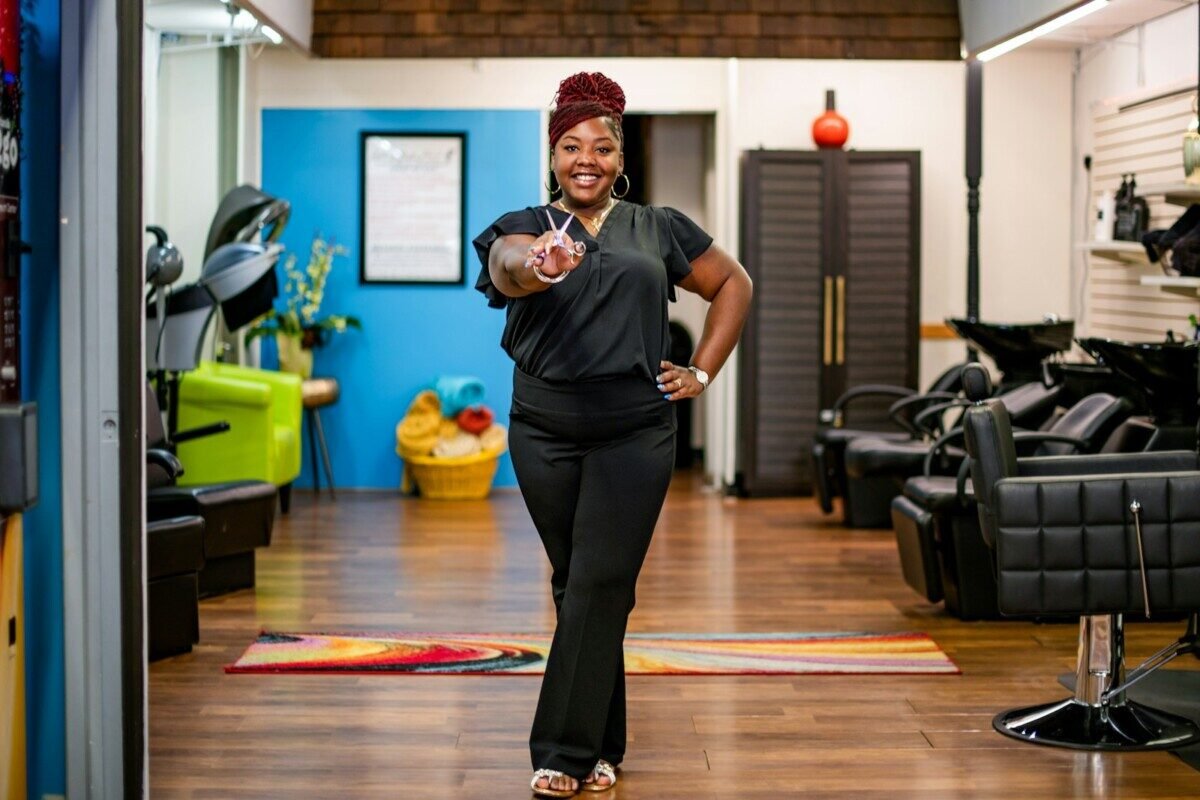
Across social media and in political spaces, there is no shortage of advice directed at Black women.People encourage us to:speak more ab
Across social media and in political spaces, there is no shortage of advice directed at Black women.

Photo by Land O’Lakes, Inc.
People encourage us to:
- speak more about this issue
- speak less about that one
- sacrifice more
- organize more
- give more labor
- show more patience
- carry more responsibility
- vote against our own interests
The requests travel across oceans.
Black women are often asked to care about problems everywhere, to educate everyone, to mobilize quickly, and to keep showing up no matter how tired we may be.
But a quieter question rarely appears in these conversations.
What would it look like to support Black women where they actually live?
Not in theory.
Not in hashtags.
Not in speeches.
Right where they are.
Start With Listening
Real support begins with listening.
Not listening in order to correct.
Not listening in order to redirect the conversation.
Simply listening to understand the daily realities Black women navigate in their own neighborhoods, workplaces, families, and communities.
Sometimes the most meaningful support looks like this:
- believing women when they describe what they are facing
- taking concerns seriously without dismissing them
- allowing space for honest conversation without punishment
Listening may seem small, but it is the first step to restoring dignity.
Respect the Boundaries Black Women Set
Black women are often asked to solve problems that did not begin with them.
At times, when boundaries are set, those boundaries are criticized.
But boundaries are not hostility.
They are clarity.
Supporting Black women where they live means respecting when a woman says:
I cannot carry this responsibility
I am focusing on my own community right now
I need rest
I need space
Healthy communities honor those boundaries rather than challenging them.
Invest in Local Well-Being
Support also means strengthening the environments where Black women live their daily lives.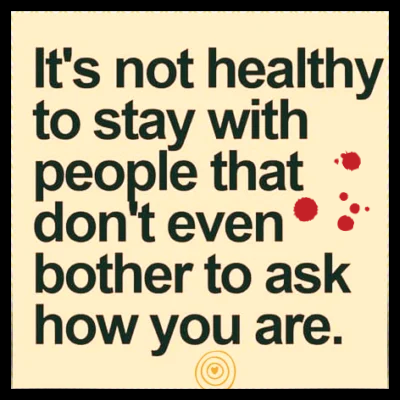
That includes:
- safe housing and neighborhoods
- fair workplaces
- access to healthcare
- protection from violence
- opportunities for education and economic growth
Grand speeches about global change mean very little if the everyday conditions around women remain unsafe or unstable.
Supporting Black women locally is practical.
It asks a simple question:
Are the women in this community able to live with dignity and security?
Share Responsibility
For generations, Black women have been expected to hold families, organizations, and movements together.
But no group of people should carry that level of responsibility alone.
Real support looks like shared responsibility.
That means:
- men stepping forward in protection and accountability
- institutions doing their part to correct injustice
- communities addressing problems instead of leaving them to women to solve
Black women are human beings with our own needs, dreams, and limits.
We are not the permanent on-call emergency response system for every crisis.
Protect Black Women’s Humanity
Perhaps the most powerful form of support is also the most basic.
Recognizing the full humanity of Black women.
Not only their strength.
Not only their resilience.
But also their:
- vulnerability
- creativity
- joy
- need for rest
- right to live without constant burden
A society that only celebrates Black women when they are sacrificing is NOT truly honoring them.
It is simply relying on them. Leaning. Without appreciation.
A Reflection
Imagine communities where people asked a different set of questions.
Instead of asking Black women to give more, people asked:
How can we support your safety and well-being?
What would make life better where you live?
What responsibilities should the rest of us carry?
Those questions would change the tone of many conversations.
Because real support does not begin with demands.
It begins with care.
Affirmation
I am worthy of support where I live.
My well-being matters in my own community.
I am not required to carry every burden placed before me.
My boundaries are wise.
My rest is valuable.
My life deserves dignity, safety, and peace.