There are moments that should stop us. Not just emotionally, but structurally.As we reflect on the loss of women and children, the question is n
There are moments that should stop us. Not just emotionally, but structurally.
As we reflect on the loss of women and children, the question is not only what happened—but what conditions made it possible.
This is where we tell the truth, even if it unsettles people. Especially then.
People are shocked by tragedy but still accept the conditions that make it likely.
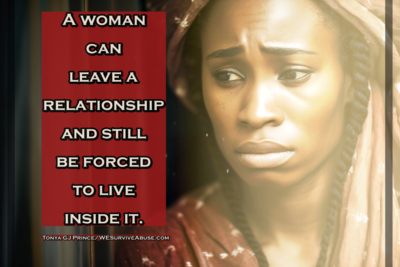
- A woman can decide to leave and still be required to live beside the danger.
- We build entire systems for commerce, travel, and entertainment.
Yet, women are still being told to make do with less. If society can imagine endless spaces for profit, it can imagine abundant spaces for women.
- If leaving increases risk, then something is broken far beyond the relationship.

- When women are given only a few spaces, those spaces become crowded, controlled, and contested.
- Scarcity keeps women negotiating. Abundance lets women choose.
- Not all women need the same space. Safety that ignores difference is not safety.
- One or two spaces for women is not protection. It is rationing.
- “Why didn’t she leave?” is the wrong question.
“Where could she go—safely, immediately, and without penalty?” is the right one.
- Women are not one story. Safety cannot be one-size-fits-all.
- A mother needs something different than a woman rebuilding alone. Both deserve space that fits.
- A woman with resources needs freedom. A woman without resources needs access. Both need protection.
- When women must shrink themselves to belong, the space is not safe. It is managed.
- A space that requires silence to maintain comfort is not a healing space.

- If safety depends on who you know, how you speak, or how much you can pay, it is not safety.
- Scarcity forces women into proximity with harm and calls it compromise.
- When systems offer one door, they control who gets to enter and who is left outside.
- Until women have a wide, well-resourced network of spaces to go to,
we are not confronting the truth. - Women are not asking for special treatment. We are asking for room to live without negotiating with harm.
- If women cannot leave danger without risking everything, the system is working as designed.
- Every time we reduce women’s spaces, we increase women’s exposure to harm.
- Expansion is not excess. Expansion is protection.
- A diverse world of women requires a diverse world of safe places.
- Women should be able to walk into a space and feel, “I do not have to explain my existence here.”
- Safety is not a shared compromise with violence. It is a boundary that holds.
- This is not about comfort. This is about whether women and children live.
- Every time a woman or child is killed, the question is not only “who did it.”
It is also “what kept her within reach.”
We do not need more explanations. We need change that can be felt in real life.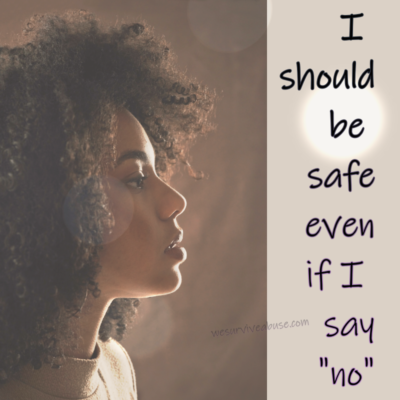
More space. More options.
More protection that does not depend on luck, timing, his feelings, or his mood.
Because when women and children cannot move freely toward safety, the outcome is not surprising. It is patterned.
And patterns can be broken ……when we stop accepting them.