A locked door matters more than a long explanation.
If a woman has to bargain, soften her voice, calculate moods, or time her movements just to stay unharmed, that is not safety. That is survival inside a threat.

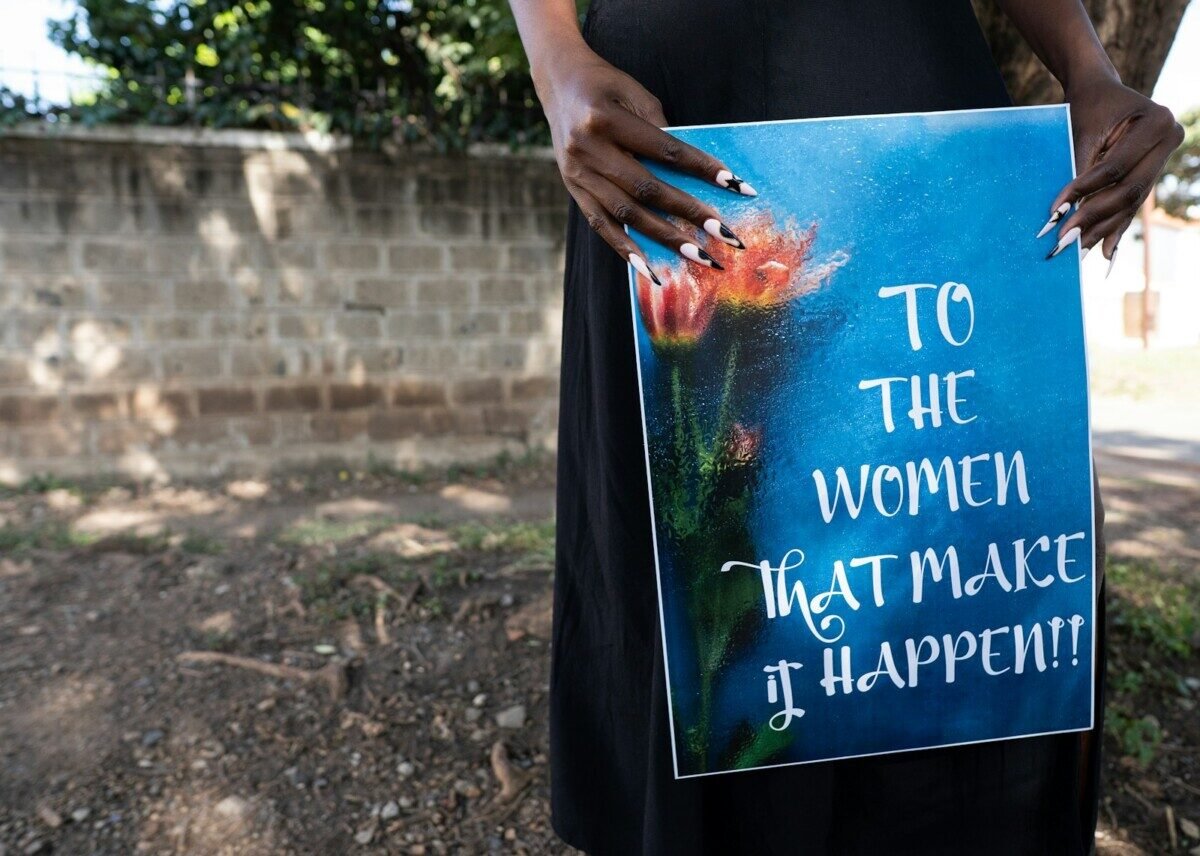
Photo by Dwayne joe
And here’s where the disconnect keeps showing up:
People talk about “balance,” “shared space,” “understanding both sides.”
Meanwhile, women are being asked to manage proximity to violence as if it’s a normal condition of life.
It isn’t.
In a world where male violence against women is not rare, not isolated, not hypothetical, the response cannot be to shrink women’s options or dilute their protections.
It has to move in the opposite direction.
More space.
More housing pathways that allow a woman to leave immediately without losing everything
More women-centered shelters that are actually resourced, not temporary holding zones
More legal structures that prioritize physical safety over technical fairness
More workplaces and community spaces that don’t require women to endure or explain harm to stay included
More opportunity.
Economic pathways that don’t trap women financially with men who harm them
Access to childcare, transportation, and income that makes leaving real, not theoretical
Systems that don’t punish women for choosing safety
And more clarity.
Because what’s happening right now is this:
Women are being told to stay open, stay kind, stay flexible—
in conditions that require distance, protection, and decisive separation.
That mismatch is costly.
If a society knows harm is common, then reducing women’s access to protected space is not neutral policy. It is a predictable risk.
And at this point, people are not surprised because they don’t understand.
They are surprised because they have not been made to sit with the full weight of what women are navigating every day.
The direction forward is not complicated, even if it is uncomfortable:
Expand the spaces where women can live, move, and rebuild without negotiating with harm.