FAQs About Coercive Control Is coercive control the same as emotional abuse? They overlap, but coercive control is often broader. It
FAQs About Coercive Control
Is coercive control the same as emotional abuse?
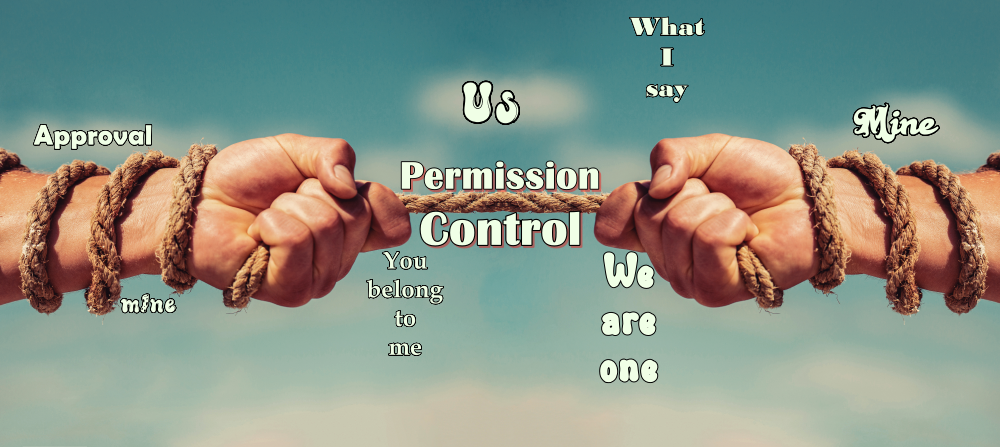
They overlap, but coercive control is often broader. It involves an ongoing pattern of domination, restriction, and manipulation designed to reduce another person’s independence.
Can coercive control happen without physical violence?
Yes. Many controlling relationships never become physically violent, though coercive control can still cause serious emotional and psychological harm.
Can someone be controlling without realizing it?
Sometimes people repeat unhealthy behaviors they learned growing up. But intent matters less than impact. Repeated controlling behaviors that limit your freedom or wellbeing should be taken seriously.
Is jealousy a sign of love?
Occasional jealousy is human. But when jealousy becomes monitoring, accusations, restrictions, or control, it stops being about care and starts becoming harmful.
Is coercive control the same as emotional abuse?
They overlap, but coercive control is often broader. It involves an ongoing pattern of domination, restriction, and manipulation designed to reduce another person’s independence.
Can coercive control happen without physical violence?
Yes. Many controlling relationships never become physically violent, though coercive control can still cause serious emotional and psychological harm.
Can someone be controlling without realizing it?
Sometimes people repeat unhealthy behaviors they learned growing up. But intent matters less than impact. Repeated controlling behaviors that limit your freedom or well-being should be taken seriously.
Is jealousy a sign of love?
Occasional jealousy is human. But when jealousy becomes monitoring, accusations, restrictions, or control, it stops being about care and starts becoming harmful.
“How do I know if this is toxic or if relationships are just hard?”
This is such a real question.
Healthy relationships can absolutely be hard sometimes. People argue. Misunderstand each other. Have insecurities.
The difference is this:
In healthy relationships, both people still have freedom, respect, and emotional safety.
You can disagree without punishment.
You don’t feel afraid to speak honestly.
You’re allowed to have your own opinions, friendships, and boundaries.
A difficult relationship feels hard.
A coercive or controlling relationship often feels small, confusing, or scary.
If you constantly feel anxious, trapped, monitored, or responsible for managing someone else’s emotions, it’s worth paying attention to that.
“Is it normal for my partner to want my passwords?”
There isn’t one rule for every relationship.
Some couples share passwords and genuinely feel comfortable with it.
But here’s the important question:
Do you feel free to say no?
If sharing passwords feels expected, pressured, or tied to accusations like:
“If you loved me, you wouldn’t hide anything.”
or
“Only people who cheat need privacy.”
—that’s worth noticing.
Privacy and secrecy are not the same thing.
Healthy relationships allow room for personal space.
“My partner gets jealous because they care about me. Isn’t that normal?”
A little jealousy? Human.
Control disguised as jealousy? Different story.
If jealousy turns into:
- Telling you who you can talk to
- Making you feel guilty for having friends
- Monitoring your social media
- Starting arguments every time someone messages you
- Accusing you constantly without reason
That’s no longer just insecurity.
Love should not feel like surveillance.
“What if everyone says they’re amazing, but I feel bad around them?”
This one can feel incredibly lonely.
Sometimes controlling people are charming, funny, thoughtful, or well-liked.
Other people might only see their best side.
That doesn’t make your experience less real.
You are the person living inside the relationship.
If something consistently feels off, draining, confusing, or emotionally unsafe, your feelings matter — even if others don’t fully understand.
“Can coercive control happen in teenage relationships?”
Yes.
And honestly, this doesn’t get talked about enough.
Control can show up at any age.
Sometimes it sounds like:
“Send me your location.”
“Why did you leave me on read?”
“Don’t post that photo.”
“If you really loved me, you’d stop talking to them.”
Because technology is such a big part of life now, digital control can become normalized.
But being in a relationship should never mean giving up your independence.
“What if they say they’ll change?”
People can change.
But change usually takes time, accountability, and consistent effort — not just promises after conflict.
A helpful question to ask yourself is:
Are they actually changing their behavior, or just apologizing when they fear losing me?
Real change looks like responsibility.
Not blame.
Not excuses.
Not making you responsible for fixing things.
“Am I overreacting?”
If you’ve been asking yourself this constantly, pause for a second.
People experiencing coercive control often doubt themselves.
That self-doubt doesn’t come out of nowhere.
When someone repeatedly dismisses your feelings, minimizes your concerns, or makes you feel unreasonable, it becomes easy to stop trusting your instincts.
You don’t need proof that something is “bad enough” to pay attention to how it makes you feel.
Discomfort is information.
“Why do I miss them if they treated me badly?”
Because humans are complicated.
Because relationships are emotional.
Because there were probably good moments too.
Missing someone doesn’t mean the relationship was healthy.
Sometimes you miss the connection.
Sometimes the hope.
Sometimes the version of them you kept waiting for.
Grief and clarity can exist together.
You can miss someone and still know the relationship wasn’t good for you.
“What if they didn’t mean to control me?”
Intent matters less than impact.
Someone may genuinely have unresolved insecurity, anxiety, or past wounds.
But if their behavior consistently limits your freedom, confidence, or emotional wellbeing, that still matters.
You can have compassion for someone without sacrificing yourself.
Both things can be true.
“How do I talk to my friends if I think they’re in a controlling relationship?”
Gently.
Without judgment.
Try to avoid:
“You need to leave.”
or
“I hate them.”
Even if you mean well, harsh criticism can make someone shut down or feel defensive.
Instead, try:
“I’ve noticed you don’t seem like yourself lately.”
“How are things really going?”
“I’m here if you ever want to talk.”
Support matters more than pressure.
“Can social media make coercive control worse?”
Absolutely.
Technology has changed relationships in huge ways.
Control can now look like:
- Demanding instant replies
- Monitoring online activity
- Getting angry over likes or follows
- Checking who viewed stories
- Tracking location sharing
- Pressure to constantly “prove” loyalty online
Being connected all the time can blur healthy boundaries.
You are still allowed privacy, downtime, and friendships.
“How do I know if I’m losing myself?”
Sometimes it looks like this:
You stop doing things you enjoy.
You feel nervous making simple choices.
You avoid conflict by shrinking yourself.
You don’t recognize your confidence anymore.
Your world becomes smaller.
You start saying:
“It’s easier if I just…”
If this feels familiar, it may be worth gently asking:
When did I stop feeling like myself?
That question can open important doors.
“What if I still love them?”
You can love someone deeply and still recognize that the relationship is hurting you.
Love, by itself, doesn’t always solve harmful patterns.
And leaving doesn’t mean the love wasn’t real.
Sometimes love exists.
And safety still needs to come first.
“Will I ever trust someone again?”
Probably — though maybe differently.
Healing after coercive control often means learning to trust yourself first.
The more you reconnect with your instincts, boundaries, and sense of self, the easier it becomes to recognize healthy love.
Not perfect love.
Healthy love.
The kind where you don’t have to constantly earn peace.
The kind where you can exhale.
“What if I’m worried I might be controlling?”
This question actually matters.
And asking it shows self-awareness.
Most controlling behavior exists on a spectrum, and we all pick up unhealthy habits sometimes.
The important thing is willingness.
Can you hear feedback?
Respect boundaries?
Handle “no” without punishment or guilt?
Take responsibility when you mess up?
Healthy relationships aren’t about perfection.
They’re about repair, growth, and mutual respect.
Why is it hard to leave a coercive relationship?
Fear, hope, emotional attachment, financial dependence, children, isolation, and trauma bonds can all make leaving incredibly difficult. It’s rarely as simple as “just walk away.”
What should I do if I think this is happening to me?
Start small. Talk to someone you trust, document patterns if it feels safe, and seek professional or community support. You do not have to navigate it alone.
Why is it hard to leave a coercive relationship?
Fear, hope, emotional attachment, financial dependence, children, isolation, and trauma bonds can all make leaving incredibly difficult. It’s rarely as simple as “just walk away.”
Final Thoughts
If there’s one thing I hope you take away from this, it’s this:
You don’t have to wait for things to become unbearable before your experience matters.
You’re allowed to notice when something feels wrong.
You’re allowed to want relationships that feel calm, respectful, and safe.
And if coercive control has touched your life in any way, please know this:
The version of you that feels tired, confused, or uncertain right now?
They still deserve kindness.
Especially from themselves.
When Control Becomes Abuse: Recognizing Coercive Control in Relationships – WESurviveAbuse
Weaponized Empathy Is Not Solidarity. It’s Coercion. – WESurviveAbuse
Coercion in Disguise: When Love Asks You to Lie – WESurviveAbuse
Where Coercion Is the Law, Truth Cannot Live – WESurviveAbuse
Let’s Talk About Social Coercion: When the World Pressures You to Be Who You’re Not – WESurviveAbuse
What Wealth Hides About Abuse: Coercive Control in Affluent Relationships – WESurviveAbuse
There is a Difference Between: “I Want This and I Do Not Want This” – WESurviveAbuse
What Is Spiritual Violence? And Why We Must Talk About It – WESurviveAbuse
Collusion Without Conversation: The Code of Abuse – WESurviveAbuse
Respect Without Surrender: When Rights Don’t Mean Access – WESurviveAbuse
The Bench at Maple and Ninth: When Men Decide Whether Women Get Boundaries (audio) – WESurviveAbuse
Green Flags: The Quiet Ways People Show You They’re Safe – WESurviveAbuse