It was just past midnight on a Sunday in May 2003 when fifteen-year-old Sakia Gunn stood at a Newark bus corner, laughing with her friends. Sh
It was just past midnight on a Sunday in May 2003 when fifteen-year-old Sakia Gunn stood at a Newark bus corner, laughing with her friends. She was coming back from Greenwich Village—a place where she could finally breathe, hold hands, and simply exist without looking over her shoulder.
Sakia was vibrant, fierce, and aggressively proud of who she was. In a world that constantly whispered to young Black girls to shrink, and told Black lesbians to hide, Sakia refused the closet. She was proud of who she was and where she was from. She loved herself.
But that night, the world caught up to her. When two men pulled up and launched into aggressive, unwanted passes, Sakia didn’t play along to keep the peace. She set a boundary. She looked them in the eye and proudly declared that she and her friends were lesbians.
That single act of everyday bravery—the simple refusal to lie about who she loved just to appease a stranger’s ego—cost Sakia her life. Within moments, the interaction turned brutal. Sakia was stabbed in the chest, collapsing into her best friend’s arms. She never made it home.
What followed her death was a second, quieter tragedy: a wall of cultural indifference. While the murders of white gay, lesbian, and bisexual youth rightly sparked international outrage and shifted federal laws, the news of a fifteen-year-old Black lesbian bleeding out on a Newark street was met with a deafening institutional shrug. The major media cameras didn’t descend. The national political figures didn’t rush to hold press conferences. It seemed the world was ready to let Sakia become just another invisible statistic.
But they forgot about the power of her community.
The Black youth of Newark refused to let her memory be swept under the rug. They took to the pavement. They marched, they wept, they held vigils, and they literally blocked traffic at the intersections of the city, forcing the public, the police, and the schools to look at the space where race, gender, and sexuality intersect—the dangerous clearing where young Black girls are left entirely unprotected.
Sakia Gunn should be in her late thirties today. She should be living out the dreams she was just starting to draft on that bus ride home.
We remember Sakia not just because of the horror of how she died but because of the breathtaking courage of how she lived. She reminds us that standing in your truth is a revolutionary act, that personal autonomy is worth fighting for, and that we must never stop building a world where a child can say exactly who she is, out loud, on any street corner, and get home safe.
Rest in power, Sakia. We still see you. We still say your name.
Murder of Sakia Gunn – Wikipedia
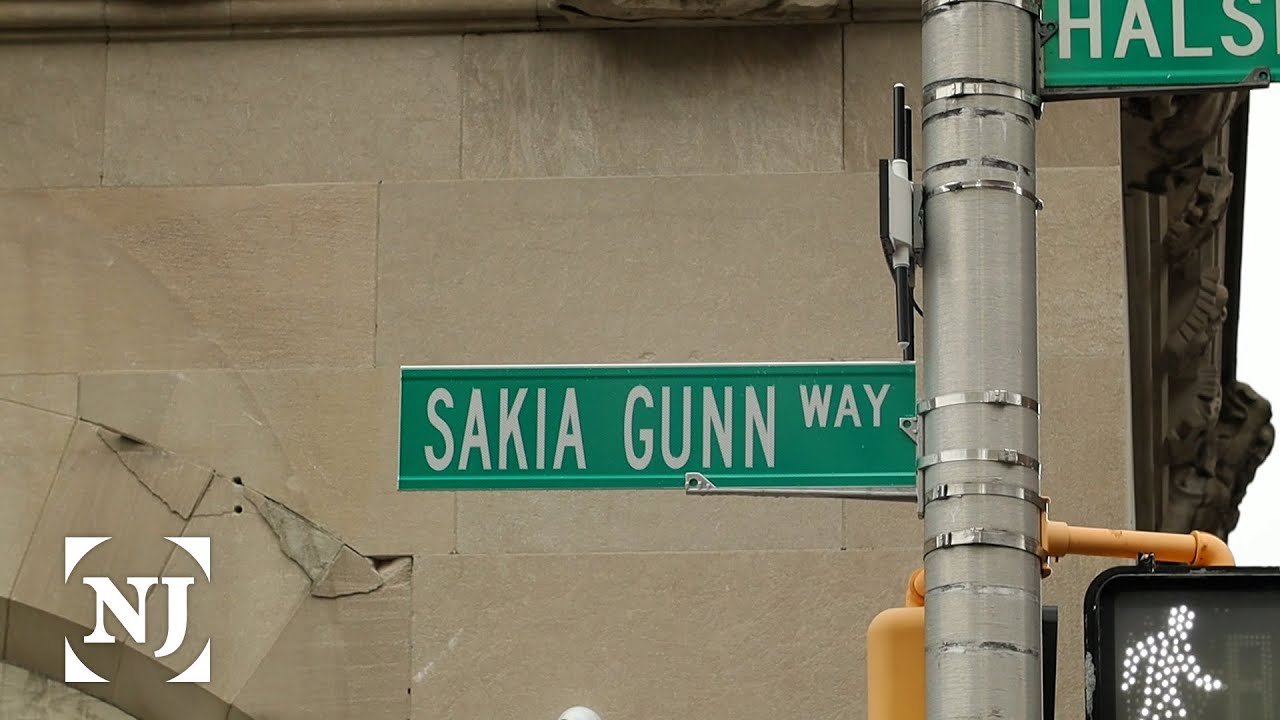
Newark renames street to honor lesbian teen murdered in 2003