They tell me that I have despised being told what to do since I was a baby. I LOVE learning. Those are two different things, and sometimes, depending
They tell me that I have despised being told what to do since I was a baby. I LOVE learning. Those are two different things, and sometimes, depending on who you are, people treat them as if they are the same thing.
So, like a lot of people, I have health issues and risk factors for others. Big ole global club. 
So when people would say, “Race is a social construct,” I would push back with “Race is biological”…. because here I am getting tests for conditions based on my ancestry. Though I’ve recently learned that isn’t the best response.
Race may be socially constructed, but racial classification has not historically depended primarily upon a person’s testimony about their internal sense of race. So their assertion wasn’t wrong. There just may be more to it to be discussed if the people in the conversation choose to.
Here’s a five-year-old explanation:
“Socially constructed” means people made the rules about what something means. But people can make very different kinds of rules.
Imagine a classroom.
The teacher says:
“Everyone wearing sneakers, stand over here.”
So RULE #1: The class made a rule for sorting people: sneakers or no sneakers.
Then the teacher says:
“Everyone whose birthday is in summer, stand over there.”

So RULE#2: That’s another rule people decided to use for sorting.
Both groups were created by people, but they aren’t created the same way. One depends on what you’re wearing. The other depends on when you were born.
That’s what this sentence means:
Socially constructed does not mean constructed in the same way.
Now race.
Long ago, societies did in fact create racial categories and decided which people belonged in them. Those rules were often based on things like family ancestry, appearance, and who your parents were.
And here’s the important part:
They didn’t ask the person how they felt.
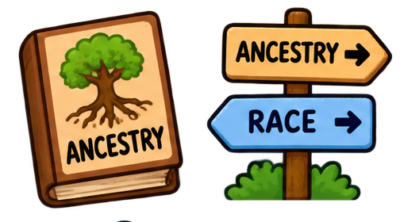
A Black person living under Jim Crow couldn’t say:
“I don’t feel Black today, so these laws don’t apply to me.” Now granted, there were light-skinned Black people who passed without the aid of surgical enhancement, but those folks aside, for the most part you couldn’t opt out. And like now, if people found out that you were passing it could get very dangerous.
The government and society classified that person regardless of their internal feelings. More likely than not, Black people did not get justice.
(Remember we talked about how rights are a contract you have with your governing bodies)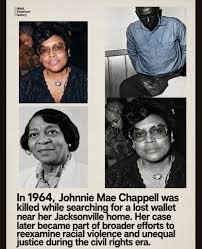
Gender identity works differently because the concept itself places great importance on what a person says about their internal sense of themselves.
So the grown-up idea in little-kid language is:
People made rules for both things. But they didn’t make the same rules. People made the boxes. That doesn’t mean every box works the same way.