This isn't about a song but like most art, it offers life lessons. Jingle Bells” was written in 1857 by James Lord Pierpont, a white composer who w
This isn’t about a song but like most art, it offers life lessons.
Jingle Bells” was written in 1857 by James Lord Pierpont, a white composer who worked in minstrel circuits and wrote songs that were explicitly racist. He mocked the torture of Black people. He found it entertaining.
Many of us have heard it more times than we can count:
“Slavery ended. Why are you still talking about this?”
That sentence may sound harmless to the speaker, but it lands hard for those seeking understanding and healing. It reduces generations of harm to a single historical moment, as if freedom was a finish line instead of the beginning of yet another battlefield.
For many Survivors, this is very much a part of the healing. Navigating—stories, lives, and families

Photo by Leonhard_Niederwimmer
that were interrupted, erased, or violently cut short. You can’t fully heal part of the story.
After slavery, Black Americans faced:
Black Codes
Convict leasing
Jim Crow laws and racial terror
State-sanctioned lynching(as the murderers carried on with their lives in the same small community. And no sympathy for the woman with child.)

Racial terror did not take holiday breaks. Avoid telling Black people what to care about because you have a limited understanding of how things work together for both good….and evil. Be brave.
Sharecropping exploitation
Redlining and housing discrimination
Medical abuse and experimentation
Mass incarceration
School segregation and unequal education
Displacement through highways and urban renewal
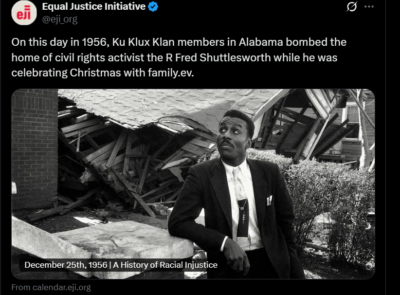
- Surveillance, constant surveillance
- Mob Harassment
- Following
- Stalking
- Disappearing

- No answers
- No justice
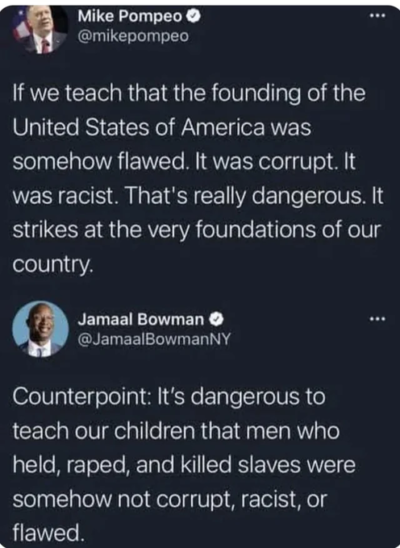
This isn’t ancient history. These forces shaped where we could live, learn, worship, work, and dream.
They shaped our ancestors’ bodies and minds—and therefore ours.
When someone shrugs and says, “slavery ended,” they overlook the truth:
The trauma didn’t stop.
The systems didn’t stop.
The targeting didn’t stop.
Generational targeting, terror, and trauma.
And that makes healing complicated. Not because we enjoy talking about pain, abuse, and sexual violence—but because healing requires honesty.
We know that in any other circumstance. Damn near bully the entire truth out of non-Black people in substance use recovery.
Healing requires a space where the FULL story is allowed to breathe.
Your experience doesn’t exist in a vacuum. Your family’s silences, your neighborhood’s struggles, the warnings passed down, the unspoken grief—these are chapters left behind when oppression keeps interrupting the narrative.
Survivors need healing grounds where the truth isn’t minimized or mocked.
Where the continuation of harm is acknowledged. Where your lived experience is not up for debate.
Your story didn’t begin with slavery, and it certainly didn’t end there.
Your healing deserves the dignity of context, understanding, and room to unfold.
Often, in layers. One layer at a time.
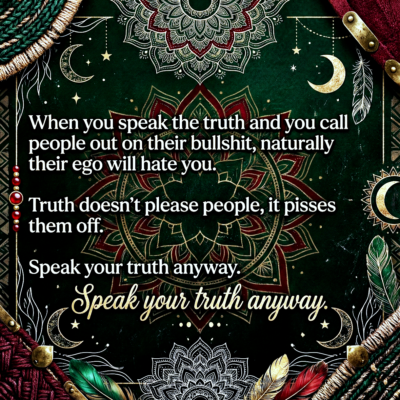
The Truth Will Set You Free, But First It Will Piss You Off-Applies to All of US
And let me just say: My experience with people in healing professions is this. Any other time it’s: “trauma lives in the body”, “never forget”, “the body remembers even you don’t”….. but as soon as you talk about familial and individual Black related terror and pain it is time to “get over it“. I’ve been told this more than once both personally and professionally by trained professionals. It is a common occurrence.
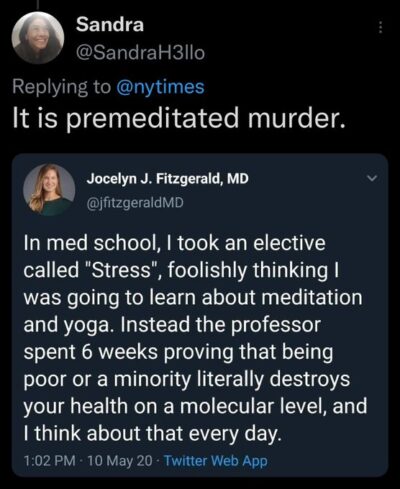
for context they are not speaking of what I am, but the highlight is how stress impacts poor people and minorities with no relief in sight. What a wonderful world this could be if we could have leaders and healing professionals come to this understanding …and keep growing.
Sigghhhh. And that’s why Black people (and other groups) form our own exclusive variations of healing circles where we are not required to educate outsiders.
‘Jingle Bells’ doesn’t contain racist lyrics, but it was created in a 19th-century entertainment world where minstrel shows were common, and its composer participated in that culture. Understanding that context helps us see how some American music and other art forms developed. Humanity, compassion, and empathy can help us to understand that while one human being may have one set of thoughts while singing this song…another human being may have other thoughts.
Jingle Bells” was written in 1857 by James Lord Pierpont, a white composer who worked in minstrel circuits and wrote songs that were explicitly racist. He mocked the torture of Black people. He found it entertaining.
When people make a choice to be racist, make an entire career out of it, hold them to their choice. Teach the history. Share the information.
@chicanism0 Drop a better Christmas song in the comments 👇🏾 🛑PLEASE FOLLOW me @kahlil.greene if you learned something new. And suggest more video topics in the comments 👇🏾🛑 I make videos about creepy, crazy, and covered-up stories from American history every single day. 😱🇺🇸😬 Thank you to @reportermatt for suggesting this topic! Source: Hamill K. “The story I must tell”: “Jingle Bells” in the Minstrel Repertoire. Theatre Survey. 2017;58(3):375-403. doi:10.1017/S0040557417000291
Please avoid telling people what to be concerned about because you have a limited understanding of how things are interconnected in the lives of others.
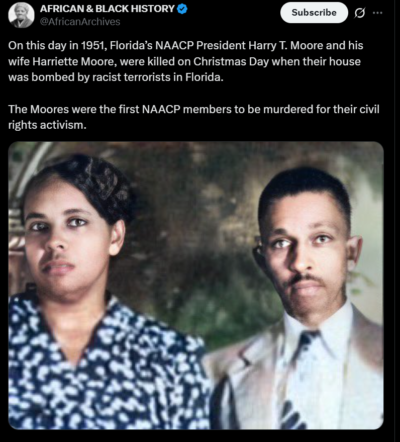
Post slavery racial terror
Some people have speculated that those sled-bells are connected to bells once put on enslaved people to prevent escapes. This claim has
circulated fairly widely. However, in the research into the origins of “Jingle Bells,” those scholars found no documented evidence linking the song to slave bells.
The “bells” in the song refer to sleigh bells — those strapped to horse harnesses to make a sound while traveling over snow (so people know a sleigh is coming). Wikipedia+2Horse Network+2
As for me and many other people who READ and STUDY history, you know this is not out of the realm of things people were doing to slaves. Putting it all in context, this is not even a stretch.
(Why all caps? I want us all to make a return to reading. I can’t even hide my passion. People used to read comics, cereal boxes, gum wrappers, books in the library on Saturday, books, books, books. Let’s bring that back.)
@hoodoohistorian Empathy: (noun) the ability to share someone else’s feelings or experiences by imagining what it would be like to be in that person’s situation Dr. Joy is the author of the must read book Post Traumatic Slave Syndrome. You can find the full lecture, “Dr. Joy DeGruy Leary: Post Traumatic Slave Disorder”, on YouTube. #hoodoo #hoodoohistorian #americanhistory #drjoydegruy #blackafbooktok