Femicide. We keep saying it. “We can’t bring her back, but justice was served.” We say it after the trial. After the sentencing. After
Femicide.
We keep saying it.

Photo by True shutterbug Khalifah
“We can’t bring her back, but justice was served.”
We say it after the trial.
After the sentencing.
After the cameras leave.
And every time, it lands the same way—hollow.
Because what often follows that declaration of “justice” is not healing. It is a prison-for-profit system that keeps running. A true crime industry that keeps feeding. And a family that goes home to an absence that never resolves.
Her life becomes a case.
Her death becomes content.
And her loved ones are left to carry what no verdict can lift.
But there is another truth we avoid even more carefully.
Before her death—before the headlines, before the trial—many women are shamed for trying to protect their lives.
That is where the real comfort lies.
We are disturbingly comfortable ridiculing women for caution.
For discernment.
For guardedness.
For refusing access.
Women are mocked for being “paranoid” about strangers.
They are criticized for avoiding men they already know to be violent.
They are questioned for locking doors, leaving situations, saying no, or choosing distance.
And this shaming does not come only from strangers.
It comes from families.
Communities.
Institutions.
Comment sections.
Intellects and pulpits alike.
So-called “reasonable” voices urging women to relax, be nicer, be fairer, give people a chance.
We shame women before harm happens—
and then mourn them after it does.
That contradiction is not accidental.
Men are rarely subjected to this scrutiny.
They are not ridiculed for prioritizing their safety.
They are not pressured to override instinct for the comfort of others.
They are not asked to make themselves more available to unknown risk in the name of social harmony.
In fact, men are often allowed to move upward—even when their behavior is openly harmful, predatory, or hateful—while women who simply want to be safe are treated as the problem.
And most women are not asking for dominance.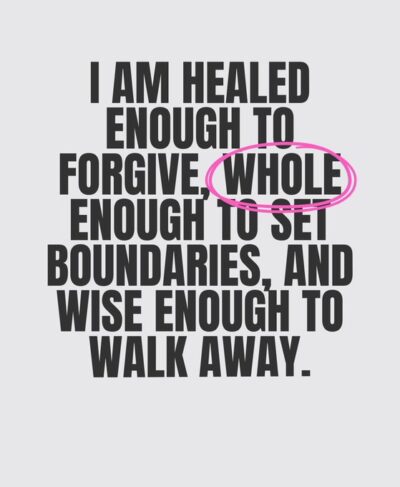
We are not seeking control over others.
We are not plotting exclusion.
Most women want something astonishingly modest:
To live.
To be healthy.
To be well.
To return home.
The real villain is not a woman who refuses access.
It is a culture that demands she explain herself for doing so.
It is a society that finds it easier to mock women’s boundaries than to confront male violence.
That finds it easier to police women’s tone than men’s behavior.
That finds it easier to say “justice was served” than to ask why women were pressured to ignore danger in the first place.
When a woman is killed, we rush to accountability after the fact.
But when she is alive and choosing protection, we rush to correction.
That should trouble us.
Justice cannot begin at sentencing alone.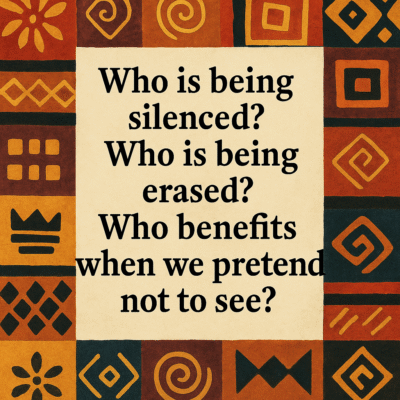
It begins when women are no longer shamed for self-preservation.
When safety is treated as reasonable.
When discernment is honored, not ridiculed.
When women do not have to die to be believed.
Until then, we will keep repeating words that sound like closure—
while living in a system that never stopped the harm.
And that is not justice.
It is comfort masquerading as conscience.