No one could have predicted how this year would end. It bent sharply. Again and again. Just when people thought they understood the terrain, t
No one could have predicted how this year would end.
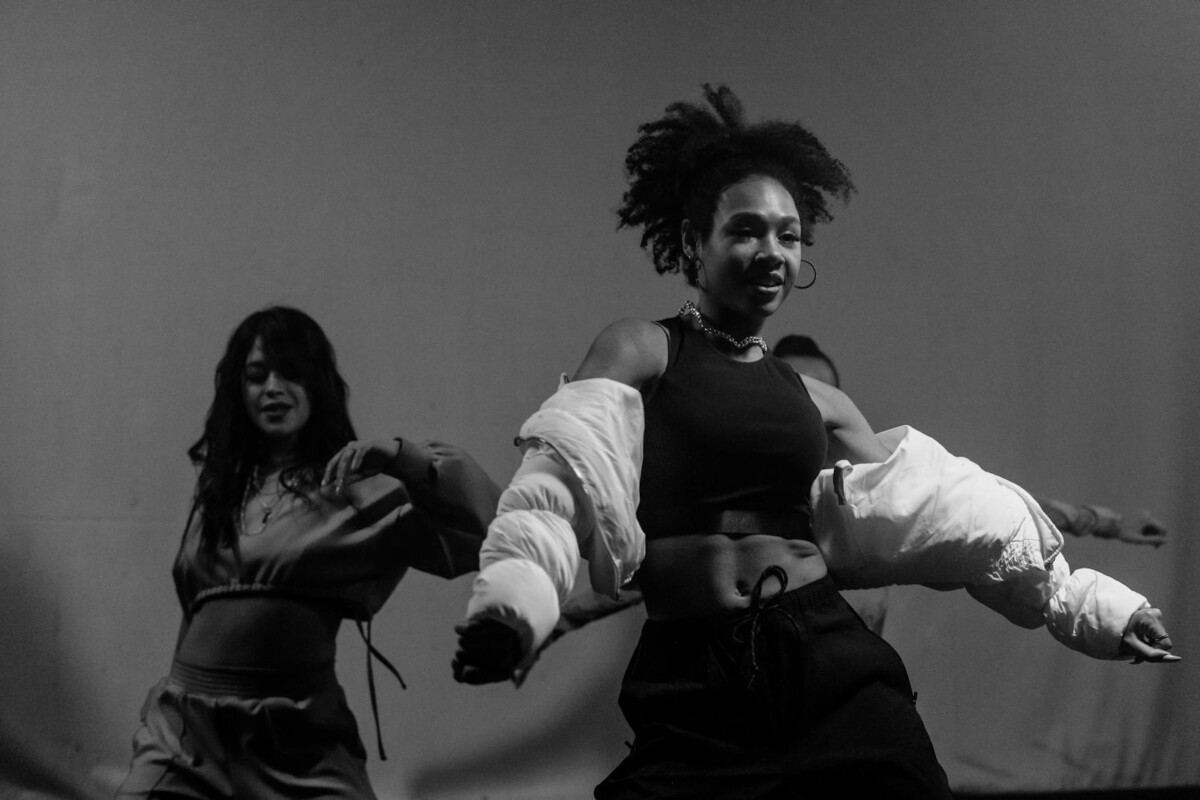
Photo by cottonbro studio
It bent sharply. Again and again.
Just when people thought they understood the terrain, the road changed beneath their feet.
And in the middle of all that movement, one truth kept revealing itself—quietly, unmistakably.
Women were never wrong for wanting to be safe.
What deserves to be left behind—firmly, intentionally—is the habit of ridiculing women for protecting our safety, our health, and our well-being.
That ridicule has never been neutral.
It has never been harmless.
And it has never been applied equally.
Men are not mocked for prioritizing their advancement, even when their behavior is openly hostile, predatory, or harmful. They are often rewarded for it. Shielded. Elevated. Explained away as “complicated,” “brilliant,” or “driven.”
Meanwhile, women who choose caution are called fearful.
Women who set boundaries are called bitter or hateful.
Women who withdraw from harm are called dramatic.
Women who say no are interrogated as if self-preservation were a crime.
And yet—most women are not asking for power over others.
We are not seeking dominance.
We are not plotting exclusion.
Most women simply want to be safe, healthy, and well.
Imagine that being treated as reasonable.
Imagine it being honored.
Imagine it being protected.
This year exposed something many tried to deny:
that women’s choices around safety are often responses to real conditions, not imagined ones. That our discernment is born from pattern recognition, not paranoia. That our boundaries are shaped by experience, not cruelty.
The sharp curves of this year stripped away many illusions. One of them should be this idea that women owe openness at the expense of our own bodies, minds, or lives.
We don’t.
Leaving that expectation behind is not regression.
It is maturity.
A society that can finally say, “Of course women protect themselves”
is a society taking its first steps toward honesty.
And perhaps toward something better.
Here’s to carrying that clarity forward—
without apology,
without ridicule,
and without asking permission to want what should have always been ours:
Safety.
Health.
Well-being.