This is one of the most common — and most heartbreaking — questions Survivors ask. And it deserves a clear, loving, truthful answer. Yes. Coer
This is one of the most common — and most heartbreaking — questions Survivors ask.
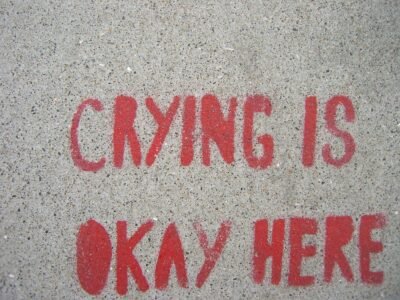
Crying is okay here.
And it deserves a clear, loving, truthful answer.
Yes. Coercion is assault.
Let’s talk about why.
🕊️ What Is Coercion?
Coercion means being pressured, manipulated, or threatened into doing something against your will.
It’s when someone takes away your freedom to choose — not always through physical force, but through power, fear, guilt, or control.
“If you loved me, you’d do this.”
“You owe me.”
“You can’t say no to me.”
“I’ll tell everyone if you don’t.”
“You said yes before.”
It can also happen silently — through intimidation, manipulation, or emotional dependency.
When someone uses trust, position, or emotional connection to pressure you into sexual activity, that’s not consent.
Consent is freely given, informed, and enthusiastic.
If fear, confusion, or manipulation were present, consent was not.
⚖️ Why It’s Still Assault
Our culture often defines assault too narrowly — as something that only counts if there’s visible violence or a loud “no.”
But that’s not reality.
Assault is about the absence of real choice.
When someone takes advantage of your trust or your fear, they’re overriding your right to choose what happens to your body.
That’s a violation — period.
🩹 What Systems Get Wrong
Many systems — legal, educational, even some faith-based — are not fully equipped to recognize coercion for what it is.
They often ask: “Did you fight back?” instead of “Were you free to choose?”
That’s a painful failure, and Survivors deserve better.
But know this:
Many trained professionals do understand.
Advocates, trauma-informed therapists, crisis counselors, and survivor-centered organizations are equipped to help you:
Heal and process what happened.
Build a support system that truly believes you.
Reconnect with your sense of safety, voice, and power.
You are not alone, and you don’t have to figure it all out by yourself.
🌱 You Can Heal. You Can Reclaim Your Power.
Coercion steals your choice — healing helps you reclaim it.
You can reach out to a rape crisis center, therapist, or domestic violence advocate in your area.
Many now offer virtual and confidential services.
You don’t have to prove it was assault for it to matter.
If it hurt you, confused you, or made you feel small — that’s enough reason to seek care, support, and restoration.
Affirmation:
I am allowed to name what happened to me. I am allowed to seek peace. I am allowed to heal.