In advocacy, passion often draws people in—it can light up a room, stir emotions, and rally attention. But not every loud voice is a trustworthy one.
In advocacy, passion often draws people in—it can light up a room, stir emotions, and rally attention. But not every loud voice is a trustworthy one. Outrage can look like solidarity, yet underneath, the motivations can be very different.
Some anger rises from lived pain: the anger of Survivors, the sick, the oppressed. That fire is rooted in endurance and truth. It deserves compassion, and when channeled, it can transform the world.
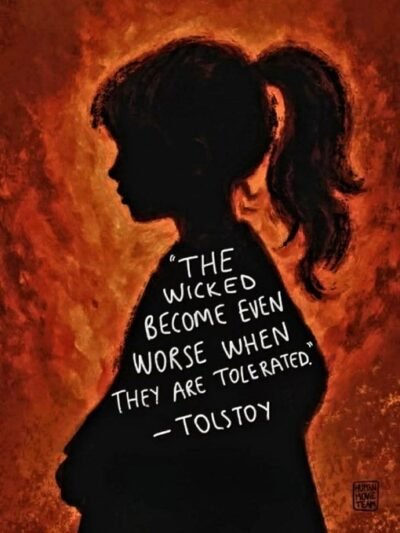
But there’s another kind of anger—the kind that feeds on conflict itself. Some people show up not to heal or protect but to dominate and tear down. They thrive on opposition, always needing an enemy, even if it means turning on those they claim to stand beside. At first glance, they may look like allies. With time, it becomes clear: their “support” feels more like bullying, and it drains more than it builds.
➡️ This is where allyship crosses the line into bullying. And if we aren’t careful, it can poison the very movements we’re trying to grow.
Here are some red flags to watch for when choosing your alliances:
🚩 1. They Rarely Show Empathy
You’ll notice their fight is rarely about someone else’s pain. They don’t pause to feel or to listen. They don’t speak about hearing or listening to others from a community or various communities. Advocacy without empathy is not advocacy—it’s performance.
Instead of lifting voices, they tear people down—mocking, shaming, or dismissing Survivors and advocates who don’t fight exactly like they do.
🚩 2. They Want Your Labor, Not Shared Responsibility
They rally others to action, but rarely carry the work themselves. They expect you to lend your voice, your body, your time—but seldom step up in a way that risks their own comfort. I have had more than one frustrated person that didn’t look like me say: “C’mon Tonya you gotta get this.” That’s when I knew it was time to withdraw my energy and be done.
The person(s) I thought was listening wasn’t listening. They just wanted me to see things their way so that I could provide time, labor, energy and resources to something that they cared about it more than listening to people I was connected to.
But for some people, if you don’t echo their exact tone, pace, or strategy, they label you disloyal or weak. Their version of “unity” is control.
🚩 3. They thrive on conflict, not solutions.
Every disagreement becomes a battlefield. Progress takes a backseat to constant arguments, because chaos is what fuels them. Disagreement is healthy; disrespect is not. If someone constantly tears others down, they aren’t building a movement—they’re feeding on conflict.
🚩 4. They Rewrite History to Fit the Battle
It is wise to confront history with honesty and respect. But beware of those who weaponize history only to stir conflict, without care for truth or healing. They cherry-pick the past to inflame anger, not to build understanding. Their “help” creates division, burnout, and mistrust—leaving less energy for the real work of justice.
🚩 5. They Mistake Negativity for Depth
These “allies” believe constant criticism makes them insightful. But true insight comes with compassion—the ability to recognize suffering and still imagine something better. If they cannot imagine better, they will never build better. Watch for people who escalate every conflict, drag movements into unnecessary fights, or create drama that stalls the real work. Battles are everywhere and they will always be there, but not every fight requires your engagement beyond making sure that you aren’t part of the problem in action, heart, and deed. Small action steps for supporting causes make a big differences.
🚩 6. Survivors Disappear in Their Noise
You’ll notice that Survivors, elders, and those most impacted often get lost in their shouting.
Instead of aiming their fire at systems of harm, they turn it on Survivors, colleagues, or marginalized voices (children, people w/disabilities, elderly women, female human beings, unhoused people, hungry and starved, Survivors of war, terrorism, and colonization) who dare to question them. Real allies amplify voices that systems have silenced. Contrarians drown them out. And harm jack their suffering just to put a little more stink on it.
✅ Takeaway
Anger has a rightful place. It can be holy, a teacher, even a spark that ignites lasting change. Across sacred texts and human history, anger has carried wisdom and survival.
But anger without empathy, without respect, without vision—ceases to heal and begins to harm. It shifts from a force for justice into a weapon, striking indiscriminately, even against the very people it claims to defend.
As an advocate, stay discerning. Don’t be swayed by volume alone. Look deeper—choose your alliances by the quality of someone’s compassion, the steadiness of their respect, and their willingness to share the real labor of justice, not just the spotlight of outrage.
🔍 12 Critical Thinking Questions for Choosing Advocacy Allies Wisely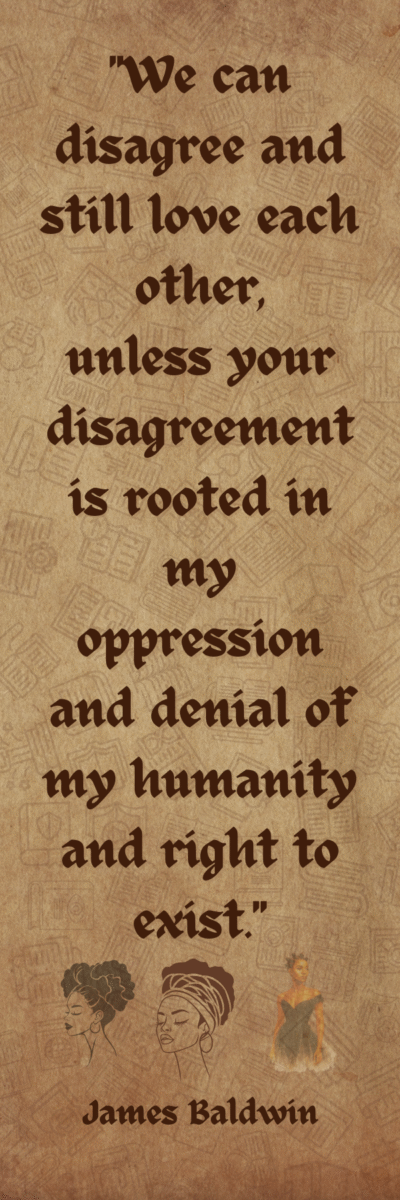
Do they do things for joy or fun outside of activism?
(People fueled only by outrage may lack balance and compassion.)What do they read, watch, or listen to?
(Diverse, thoughtful sources—or only material that fuels their anger?)Can they enjoy activities with a cross-section of people without using them as props to “prove” something?
(Genuine connection vs. performative diversity.)When confronted with another culture’s perspective, do they show respect—even when they disagree?
(Respect doesn’t mean agreement; it means listening with care.)Do they ever admit when they’re wrong or when they don’t know something?
(Humility is a sign of true learning; contrarians rarely show it.)Do they show empathy for individuals, not just abstract groups?
(It may be easier to rage at “systems” than to sit with someone’s pain.)Do they balance critique with vision?
(Are they building toward something, or only tearing things down?)How do they treat Survivors who speak in ways that don’t match their script?
(Do they silence, shame, or dismiss them—or make space for real voices?)Do they have safe, trusted relationships outside of activism?
(Or do they cycle through people quickly, leaving conflict behind?)When they share history, do they use it for truth and healing—or only as a weapon?
(History deserves reverence, not manipulation.)Do they respect boundaries—time, space, privacy—or demand constant access and energy?
(Advocacy without boundaries drains movements.)Do they laugh, rest, and celebrate victories—or only thrive when there’s a battle?
(Joy is part of resilience. If they can’t find it, they may not sustain justice work long-term.)
✨ Why these questions matter:
Critical thinking in advocacy isn’t about distrusting everyone. It’s about noticing patterns—who brings healing and who brings only heat. Some people fight because they want liberation. Others fight because they don’t know how to live without conflict.