We need to solve the problems. That requires doing some things we haven't tried doing with consistency. Listening to what women living inside mor
We need to solve the problems.
That requires doing some things we
haven’t tried doing with consistency.
Listening to what women living inside more
rings of violence and abuse than others need.
When something devastating happens, people start looking for something to blame. Now, that’s human.
BUT too often, that blame reaches for whatever is visible, organized, and Black. So let’s deal with this plainly.
When a Black man in a position of power commits violence against his wife, there is a rush to widen the lens in the wrong direction. Suddenly, people are looking at Black institutions—Black sororities, Black fraternities—as if they were somehow responsible.
They are not. That is not analysis. That is scapegoating. And blame shifting is about deciding that you have nothing to change, but everyone else does. None of this is making women safer.

But what gets erased in that rush to blame is what these organizations actually do to help bring awareness to and end violence and abuse.
Divine Nine at Work in Violence and Abuse Awareness and Prevention
Anytime that I have needed something done fast and quick for the community, I have reached out to the D9. I am not a member (and not campaigning to be), but I know their work. They show up and they go to work. They fund real work.
They support domestic violence and sexual violence efforts in communities that are often overlooked or underfunded.
They don’t just talk and offer commentary. They bring in experts—people who have studied, served others, and worked in this field—to educate young people about relationships, harm, boundaries, and safety. Not loud opinions. Not internet debates. Real trained and developed expertise.
They show up in ways people don’t always see.
Like supporting efforts such as Braid the Ladder—gathering hair care products for women and girls in shelters who have Black textured hair. Braid the Ladder has been supported by the community. I can always count on D9 to not only come through but lift our campaign up in ways I hadn’t thought about.
I remember meeting a woman to pick up the products. The products were in these elaborate and beautiful baskets. I mean stunning!
Me: What is all this?!!
The kind woman: Oh, we decided to have a contest with ours. This way, we had fun, and the women in the shelters get something really nice.
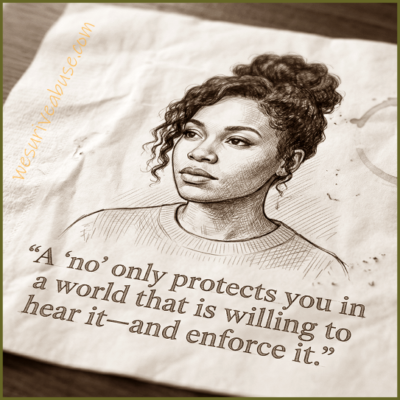
All I could do was shake my head and put my head in my hands. We hugged each other so tight.
Because those products are not optional. They are not cosmetic. They are dignity. They are care. And they are often expensive and overlooked in donation drives.
I could tell you story after story, after story just like that.
I’ve written before that when I needed male support, as in male strength for lifting and carrying heavy boxes or physical protection if necessary, the Black fraternities have never turned me down. No questions.
Once I just happened to be at a festival at the same time as a Black fraternity. I simply verbalized my angst about passing out my organization’s brochures to a crowd that came to have a good time. How would they receive brochures about violence and abuse?
They took some of my brochures and handed them out with their event brochures. Not another word was said. The end. I didn’t even ask. That matters.
And still, these organizations go further.
They create programs.
They build community.
They invest in education.
They respond where systems fall short.
So no—this is not the place to project blame where it does not belong.
Can conversations happen within those organizations about pressure, image, success, and the expectations placed on Black men and women? Of course. Every community reflects and grows.
But that is internal work. That is not an invitation for outsiders to assign fault. We have to stop turning Black institutions into convenient targets whenever something goes wrong.
Especially when those same institutions are doing the work—quietly, consistently—to protect, educate, and uplift.
Here’s the truth that needs to sit heavy: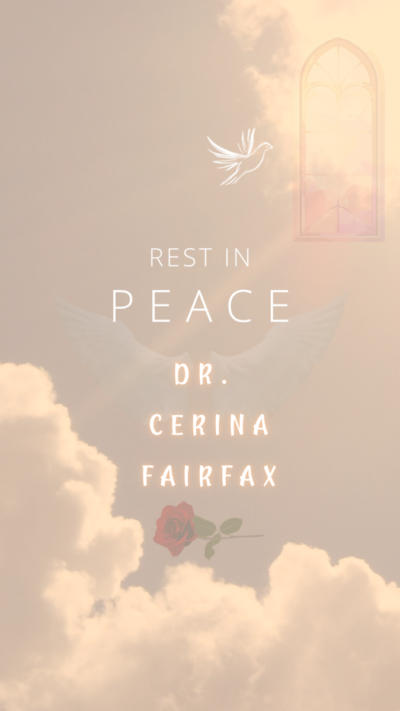
A man’s violence belongs to him.
Not his fraternity. Not on his Mama- especially if she is a single Mother. Not his community.
And, NOT the organizations that have been actively working to prevent the very harm he caused.
If people are serious about addressing violence against women, then the focus needs to stay where it belongs.
On the act. On the decision. On the pattern. And if there are enablers—those too.
But ignoring what actually keeps women safe—and leaves them unprotected—just to go blame the same institutions keeping Black folks ascending is not the move.
It is a distraction that feeds outsiders. And distraction keeps costing us more lives.
Listen to Survivors. Hear their cry about what they need. Not what you need. Not what the always-ready-to-hate-great-Black things crew needs. We need to solve the problems.
That requires doing some things we haven’t tried doing with consistency. Listening to what women living inside more rings of violence and abuse than others need.
Please look within the circles that you belong to. We all have a duty to be part of the solution.
Are they inviting expert speakers? expert consultants?
Providing financial support? Showing up to events?
Actively supporting campaigns?
Donating to shelters? Building shelters? Rehabbing shelters?
Researching violence and abuse in individual communities?