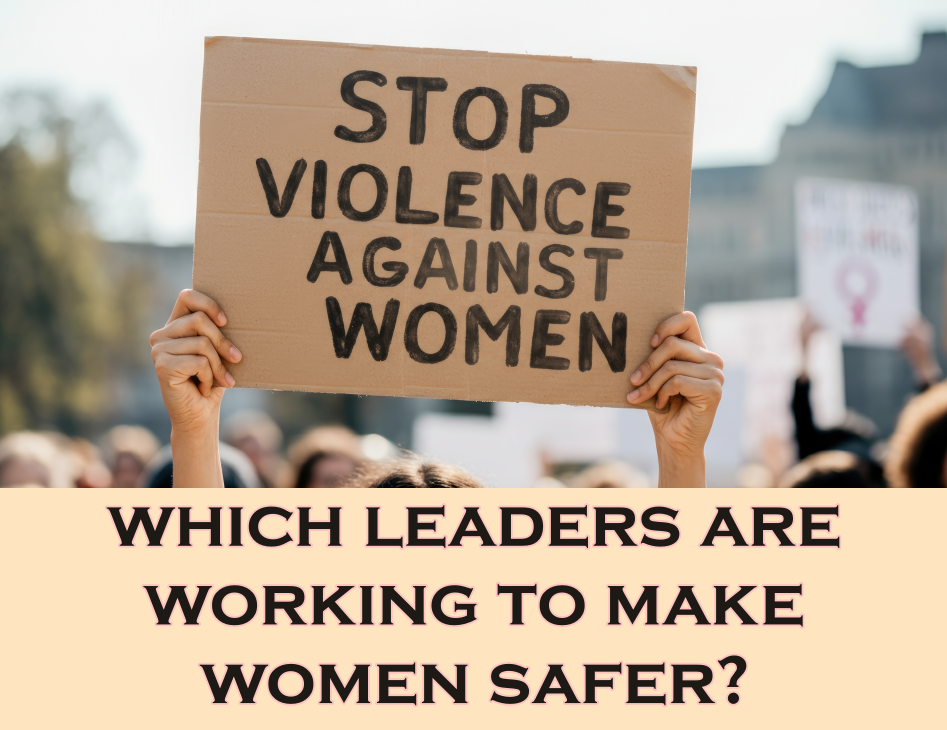
People direct public anger toward groups that may have hurt or failed them. That reaction is human. But it can stop the conversation at the surface.
People direct public anger toward groups that may have hurt or failed them. That reaction is human. But it can stop the conversation at the surface.
Because here’s the harder truth:
If those groups are not the ones writing laws, controlling funding, shaping enforcement, or maintaining barriers to safety—then focusing only on them does not remove the obstacles women face when trying to leave violence.
It can sound like advocacy. It can feel like action.
But it doesn’t always lead to change…..therefore, safety is not enhanced. That’s dangerous.
Real protection requires a different focus:
Who is deciding whether shelters are funded or full?
Who determines how fast protection orders are granted?
Who shapes how police respond—or fail to respond?
Who sets the rules in family courts, housing systems, and workplaces?
That’s where obstacles are built. And that’s where they can be removed.
When attention stays on individuals or groups alone, systems remain untouched.
And when systems remain untouched, the same conditions continue.
Anger can point to harm, but accountability has to reach the level where decisions are made. Right here in this country.
That shift—from personal blame to systemic responsibility—is where real change begins.
- Local government often controls funding for shelters, crisis response, and community-based programs.
- State laws shape how cases are handled, what protections are available, and how seriously harm is recognized.
- Federal policy influences funding streams, research, and national standards.
So when people talk about “change,” a lot of it actually lives in those layers.
Here are more concrete political outcomes to track and name clearly: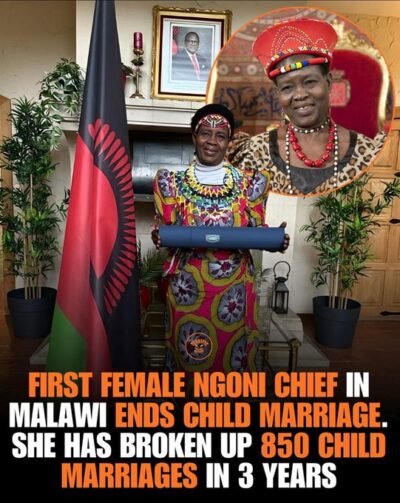
Access to immediate safety
- Why is there only one style of shelter available? In some locations, can women stay in remote cottages and still be safe? Women escaping violence do not require supervision as if they were naughty children.
Are hotel vouchers and emergency relocation actually available, or just promised?
- Is all immediate safety accessible for women with disabilities?
Speed of protection
How quickly can someone get a protective order? What happens if it is denied? Because a denied protective order is not proof that violence wasn’t present. So, now what?
Are courts backlogged to the point that “urgent” protection takes weeks?
Enforcement of protection
When orders are violated, is there a real response?
Do law enforcement agencies treat violations as serious, or minor?
Police response quality
Are all officers trained to recognize coercion and patterns of harm?
Or are situations dismissed as “domestic disputes” and minimized?
Prosecution patterns
Are repeat offenders held accountable?
Are cases dropped due to lack of support, evidence collection, or will?
Healthcare response
Is care respectful, private, and accessible regardless of income?
Economic escape routes
Can a woman leave without losing housing, income, or childcare?
Are there protections against job loss due to abuse-related disruptions?
Housing protections
Can someone break a lease safely due to violence?
Are there laws preventing eviction because of abuse incidents?
Child protection outcomes
Are children recognized as victims when they witness abuse?
Or are mothers penalized for “failure to protect” without support?
Family court realities
Are custody decisions informed by patterns of harm?
Or is abuse ignored in favor of forced co-parenting?
Access to legal help
Are there enough attorneys for survivors who can’t afford one?
Are legal processes understandable or overwhelming?
Disability protections
Can women with disabilities request female caregivers without backlash?
Are they believed when reporting abuse?
Elder safety
Are elder women protected in care facilities and homes?
Are reports taken seriously, or dismissed as confusion?
Rural access gaps
Do women in rural areas have any nearby services at all?
Or are they expected to travel hours for help?
Immigrant protections
Can women report abuse without fear of deportation?
Are language services consistently available?
School-based safety
Are girls protected from harassment and abuse in schools?
Are reports taken seriously, or quietly buried?
Workplace safety
Are there protections against harassment and retaliation?
Can women report without risking their livelihood?
Data transparency
Is accurate data collected and shared?
Or are patterns hidden by poor reporting and classification?
Funding consistency
Are programs stable year to year?
Or constantly under threat of cuts?
Cultural fluency
Do services understand Black women, Indigenous women, immigrant women, and others in context?
Or are women expected to adapt to systems that don’t see or hear them?
Prevention efforts
Or only reactive responses after harm occurs?
Media and public messaging
- Are the voices of Survivors centered?
Or are narratives shaped in ways that protect reputations over truth?
Barriers to reporting
Are there safe, confidential ways to report?
Or does reporting come with risk, exposure, and retaliation?
Technology-based abuse response
Are laws keeping up with stalking, tracking, and digital coercion?
Or are victims told to “just block them”?
- Is technology being used to make women and children safer?
Each of these is a pressure point. When leadership takes them seriously, you see movement—more access, faster response, real protection. When they don’t, women are left navigating danger with fewer options and more consequences.
That kind of focus keeps the conversation grounded in real-life impact instead of getting pulled into distractions.