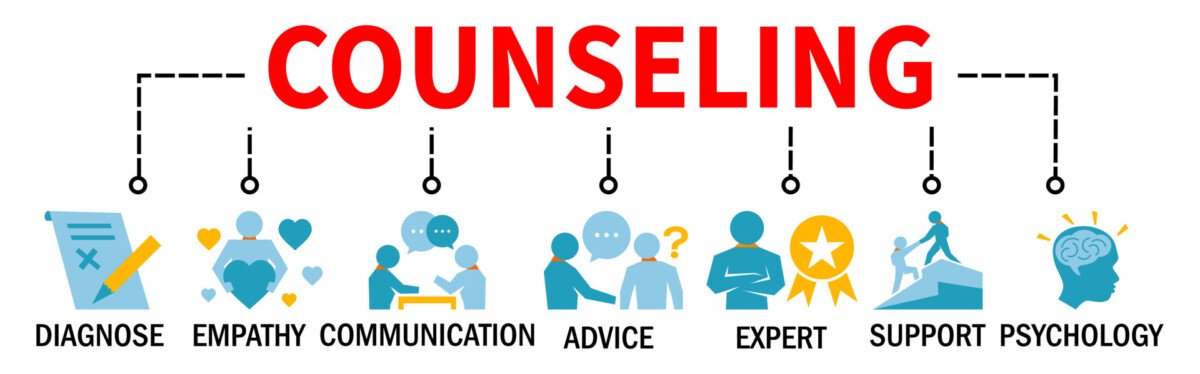
While coaching and counseling can both support Survivors, they are not the same service. Counseling is usually clinical mental health support. It is
While coaching and counseling can both support Survivors, they are not the same service.
Counseling is usually clinical mental health support. It is medical care. Your insurance plan may pay for these services.
Coaching is usually goal-based support for life, decision-making, confidence, boundaries, rebuilding, and forward movement. Insurance doesn’t typically cover coaching, though some plans are starting to add in supplemental coaching services to help you reach certain goals like weight loss.
For Survivors of abuse, that difference matters.
It matters in court cases, and most importantly, it matters in your life.
Counseling is for healing, diagnosis, treatment, and mental health care
Some people avoid counseling because they don’t want to be called “crazy,” or maybe their family, faith, or friend circle doesn’t exactly embrace it, but counseling is self-care. Trauma can cause injury, and the right therapist can aid you in healing.
A counselor or therapist may help a Survivor work through:
| Counseling may address | Examples |
|---|---|
| Trauma symptoms | flashbacks, panic, nightmares, dissociation |
| Depression or anxiety | hopelessness, fear, shutdown, intrusive thoughts |
| PTSD or complex trauma | long-term effects of abuse |
| Grief and shame | loss, self-blame, emotional pain |
| Safety-related emotional distress | fear after leaving, fear of retaliation |
| Mental health diagnosis | when appropriate |
| Clinical treatment plans | therapy goals, interventions, referrals |
Counselors are licensed by the state, so they are regulated. They are trained to assess mental health, treat trauma symptoms, recognize crisis risk, and refer for higher levels of care when needed. SAMHSA describes trauma-informed care as rooted in safety, trustworthiness, peer support, collaboration, empowerment, and cultural humility, which are especially important for Survivors.
Coaching is for rebuilding, strategy, clarity, and action
A coach may help a Survivor work on:
| Coaching may address | Examples |
|---|---|
| Rebuilding life after abuse | routines, confidence, planning |
| Boundaries | saying no, recognizing patterns, practicing language |
| Decision support | next steps, options, priorities |
| Self-trust | learning to hear oneself again |
| Career or money goals | rebuilding income, applying for jobs, organizing documents |
| Communication | preparing for meetings, court-adjacent conversations, co-parenting boundaries |
| Personal development | identity, purpose, confidence, leadership |
| Safety-aware planning | non-clinical support while encouraging expert safety help |
Coaching should not diagnose, treat PTSD, process severe trauma in a clinical way, or present itself as therapy. (It is actually unlawful.)
The simplest distinction
Counseling asks:
“What happened to you, how is it affecting your mind and body, and what clinical support helps you heal safely?”
Coaching asks:
“Where are you now, where do you want to go, what supports do you need, and what steps help you rebuild with clarity and dignity?”
For abuse Survivors, safety comes before both

A good coach or counselor should understand that abuse is not just a “relationship problem.” It can involve danger, coercive control, stalking, financial abuse, legal abuse, technology abuse, isolation, and retaliation.
The National Domestic Violence Hotline describes safety planning as a practical, personalized plan to improve safety while experiencing abuse, preparing to leave, or after leaving. The Hotline also emphasizes that Survivors are never to blame for the abusive actions of others and that advocates can help discuss options.
So if a Survivor is currently in danger, being monitored, stalked, threatened, controlled, or afraid to leave, they may need a domestic violence advocate and a safety plan before ordinary coaching and in partnership with counseling goals.
Coaching can be powerful, but it needs strong boundaries
A Survivor-centered coach can be very helpful when they say:
“I am not your therapist. I can support your goals, boundaries, confidence, planning, and next steps. If trauma symptoms, crisis, self-harm, danger, or clinical concerns arise, I will encourage you to connect with a licensed mental health professional, domestic violence advocate, crisis service, or emergency support.”
That is ethical. That protects the Survivor. It also protects the coach.
Counseling may be the better fit when the Survivor is dealing with:

panic attacks
suicidal thoughts
self-harm thoughts
severe depression
hallucinations or losing touch with reality
intense dissociation
substance misuse linked to trauma
PTSD symptoms
ongoing terror or crisis
recent assault
complex grief
court-ordered mental health treatment
child protection concerns
danger from an abuser
- triggers and flashbacks
Note: These are common experiences for Survivors. Although they can be distressing and even debilitating, you are not “damaged”, “broken,” or “crazy”. The fact is, trauma can cause injury for a long time.)
Coaching may be the better fit when the Survivor wants:
help rebuilding confidence
support with boundaries
help organizing next steps
encouragement after leaving abuse
practical planning
career rebuilding
life structure
communication scripts
self-trust practices
decision-making support
identity rebuilding
accountability without judgment
Counseling helps Survivors treat and process the mental, emotional, and psychological effects of abuse with a licensed professional. Coaching helps Survivors rebuild confidence, clarity, boundaries, goals, and daily life skills, without diagnosing or treating mental health conditions.
Counseling tends to help a Survivor heal what was wounded. Coaching tends to help a Survivor rebuild what was interrupted.
Both can matter. But neither should pretend to be what it is not.