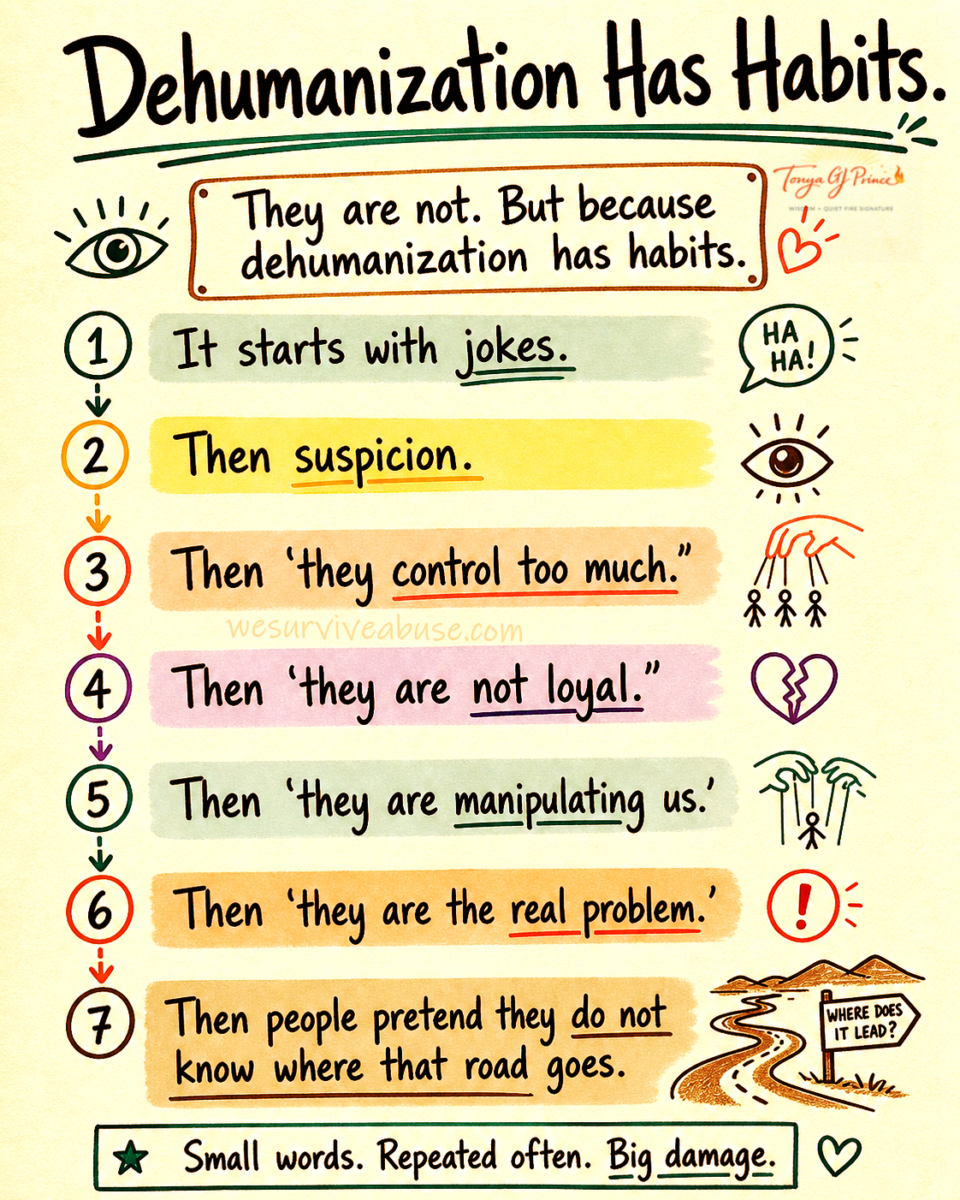
You fight dehumanization by refusing to let people become symbols, threats, jokes, rumors, or “problems” before they are recognized as human beings.
You fight dehumanization by refusing to let people become symbols, threats, jokes, rumors, or “problems” before they are recognized as human beings.
The Civil Rights Movement gives us a powerful model because it did not only fight laws. It fought the lies that made those laws feel acceptable.
It fought the story that Black people were lesser.
It fought the story that Black pain was normal.
It fought the story that dignity had to be earned from people who had already stolen it.
Here is a grounded framework.
1. Name the pattern early
Do not wait until hatred becomes violence.
Dehumanization often begins small:
“They’re always complaining.”
“They control everything.”
“They don’t belong here.”
“They are dangerous.”
“They are not like us.”
“They are the problem.”
Civil rights workers understood that language was not “just talk.” Language prepared the ground for exclusion, neglect, brutality, and lawless behavior. They pushed for truth in language.
2. Re-humanize with names, faces, stories, and ordinary life
The Civil Rights Movement used testimony, photographs, songs, sermons, marches, children’s stories, kitchen-table stories, and courtroom testimony.
Why?
Because dehumanization makes people abstract.
Humanization makes people specific.
Not “those people.”
But Mrs. Fannie Lou Hamer.
Claudette Colvin.
Ruby Bridges.
Medgar Evers.
Mamie Till-Mobley.
The children walking into school.
The grandmother trying to vote.
The worker trying to ride home in peace.
To fight dehumanization today, bring people back into full view:
Their names.
Their families.
Their grief.
Their joy.
Their ordinary needs.
Their right to be safe.
3. Use disciplined truth, not reckless heat
The Civil Rights Movement was not passive. It was disciplined.
That distinction matters.
Disciplined truth means:
Tell the truth plainly.
Do not exaggerate.
Do not let anger make you sloppy.
The point is not to appear “nice.”
The point is to remain morally clear.
A movement loses power when it becomes careless with the humanity of others.
4. Build protected community spaces
Civil rights work did not happen only in public marches.
It happened in churches, kitchens, schools, union halls, beauty shops, community meetings, student groups, and living rooms.
People needed places to:
Think.
Rest.
Strategize.
Grieve.
Pray.
Sing.
Plan.
Tell the truth without being corrected by the people harming them.
That matters now too.
We need more spaces where people can say:
“This is happening.”
“This is what we are seeing.”
“This is how we protect one another.”
“This is what we will not normalize.”
5. Teach people how propaganda sounds
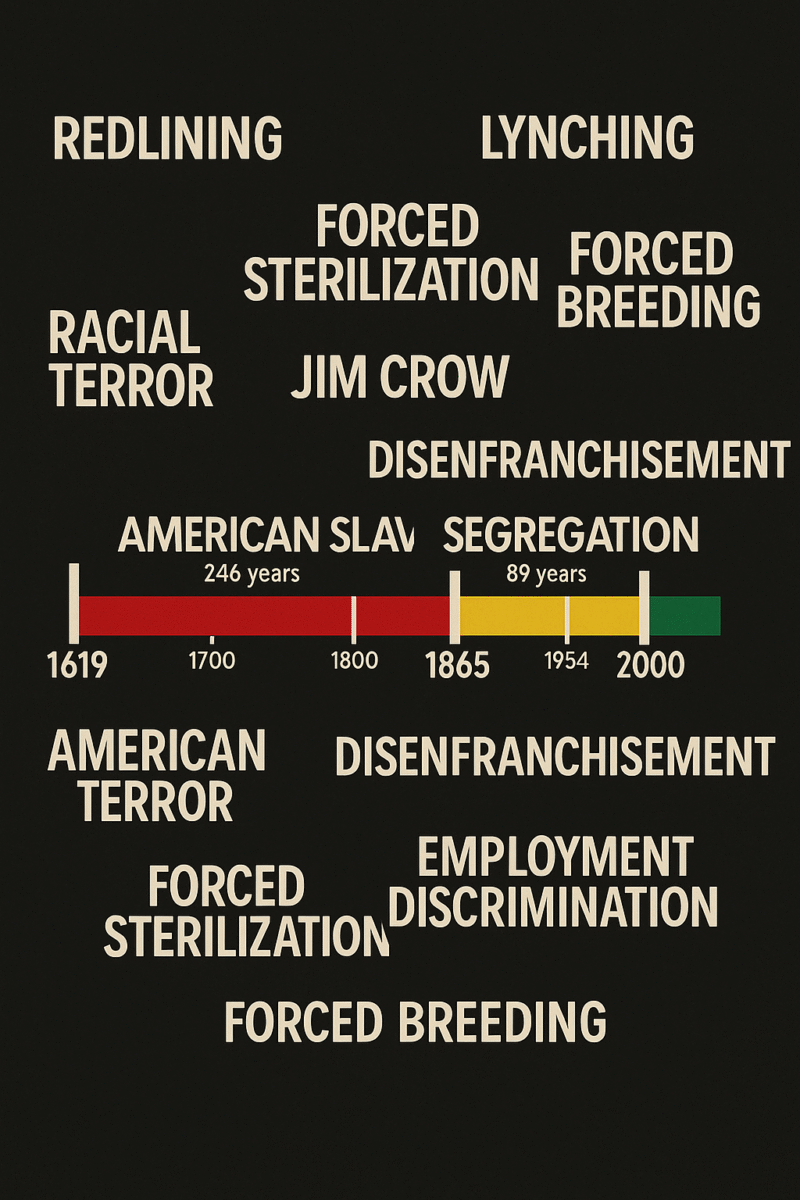
People need language recognition.
Not just “racism is bad” or “hate is wrong.”
They need to recognize the script.
Dehumanizing propaganda often says:
“They are secretly in control.”
“They are replacing us.”
“They are corrupting children.”
“They are naturally criminal.”
“They are too emotional to be believed.”
“They are lying for attention.”
“They are not loyal.”
“They are invading our spaces.”
“They are the real oppressors.”
Once people can hear the script, they are harder to recruit into it.
6. Create moral witnesses, not spectators
The Civil Rights Movement understood the power of witness.
Witnesses do not merely “feel bad.”
They see.
They remember.
They testify.
They intervene when they can.
They refuse to let lies become the official record.
A witness says:
“I saw what happened.”
“That is not what she said.”
“That joke was not harmless.”
“That policy will hurt real people.”
“That story is missing context.”
“That child deserved protection.”
“That woman deserved safety.”
“That community is being blamed instead of served.”
7. Use beauty as resistance
This is one of the most underestimated civil rights lessons.
Songs mattered.
Church hats mattered.
March clothes mattered.
Children dressed with dignity mattered.
Posters mattered.
Poetry mattered.
Sermons mattered.
Freedom songs carried people when policy language could not.
Beauty reminds people: we are not only fighting against hatred. We are fighting for life.
So yes, create the infographic.
Create the song.
Create the affirmation.
Create the altar in words.
Create the children’s lesson.
Create the poster.
Create the podcast episode.
Create the archive.
Beauty keeps the soul from being trained into despair.
8. Protect the vulnerable first
A civil-rights-inspired response asks:
Who is most likely to be harmed first?
Children?
Elders?
Women?
Disabled people?
Poor people?
People who cannot leave?
People who are not believed?
People with fewer documents, fewer lawyers, fewer witnesses, fewer safe rooms?
Dehumanization always looks for the least protected door.
That is where the work should begin.
10. Make the response organized, not just emotional
Feeling the danger is wisdom.
But the next step is structure.
A strong anti-dehumanization response includes:
A public message.
A private support system.
A documentation plan.
A teaching tool.
A response script.
A list of trusted helpers.
A way to correct false narratives.
A way to protect people who speak up.
A way to keep going after the outrage fades.
That is how moral clarity becomes power.
A civil-rights-inspired pledge
We will not wait until the road is burning to admit where it was headed.
We will not laugh people into danger.
We will tell the truth early.
We will protect the targeted.
We will organize before the harm becomes normal.
And we will remember this:
Dehumanization has habits.
So does liberation.